💬 1 reviews⭐ 5
Showing 2 organic producers near you
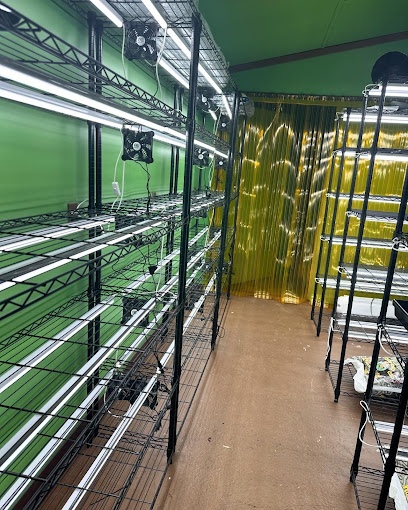
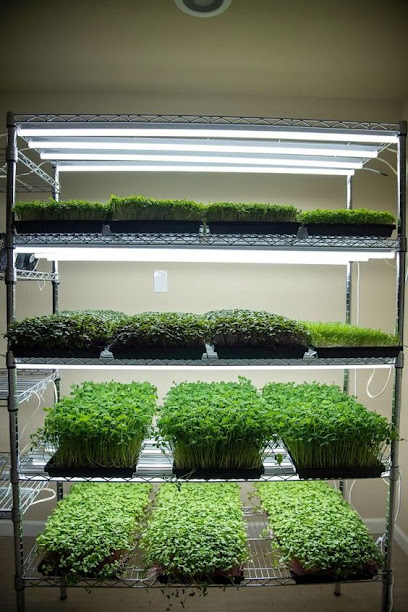
Sylva’s microgreens market currently relies on a limited but specialized supply chain. With only two identified operators, Smoky Mt MicroFarm and Mountain Monk Microgreens, the local availability remains focused on direct-to-consumer models rather than large-scale distribution. The region's geography, characterized by fluctuating mountain temperatures and high humidity, makes indoor climate-controlled farming a necessity. Vertical farming and hydroponic systems allow these growers to bypass the short growing seasons of the Blue Ridge Mountains, ensuring a year-round harvest of nutrient-dense greens.
| Farm Name | Rating | Specialization | Type |
|---|---|---|---|
| Smoky Mt MicroFarm | 5 | General Microgreens | Farm |
| Mountain Monk Microgreens | N/A | General Urban Farming | Farm |
Smoky Mt MicroFarm holds a perfect 5-star rating from its initial review. While their digital presence is currently inaccessible, their status as a dedicated farm indicates a focus on specialized production cycles for local restaurants and residents.
Mountain Monk Microgreens operates as an urban farm. Because it lacks a public rating, buyers should treat this as an emerging small-batch producer; urban farms often prioritize soil-health and organic practices over high-volume industrial output.
Microgreens are more than just plate garnishes. These seedlings, harvested just after the first true leaves appear, concentrate nutrients at levels significantly higher than their mature counterparts. Broccoli microgreens, for instance, contain high concentrations of sulforaphane, a compound linked to reduced inflammation. Radish microgreens offer a sharp, spicy flavor profile while providing essential vitamins C, E, and K. Pea shoots provide a mild, sweet crunch and are packed with protein and fiber, making them an ideal staple for urban dwellers looking for dense nutrition in small living spaces.
Indoor farming in North Carolina faces unique challenges. The humidity levels in the Appalachian region can lead to mold if air circulation is not managed with precision. Local growers who master the balance of light, moisture, and airflow produce a product that stays fresh significantly longer than produce shipped from out-of-state distribution centers.
A: Local microgreens are harvested shortly before sale, whereas store-bought greens may have spent days in transit, leading to a significant loss of nutritional value and flavor.
A: An urban farm is an agricultural operation located within or near an urban setting, often utilizing small footprints like greenhouses or indoor vertical racks to produce food for the local community.
A: The provided data does not specify delivery options. It is recommended to contact the farms directly to inquire about their distribution methods and pickup locations.
The most popular reviews: