
💬 7 reviews⭐ 5
Farm
Big Prana Microgreens
website unreadable
📍Big Prana Microgreens, Bellevue, NE 68123
Explore 2 local microgreen producers across 2 cities.
website unreadable
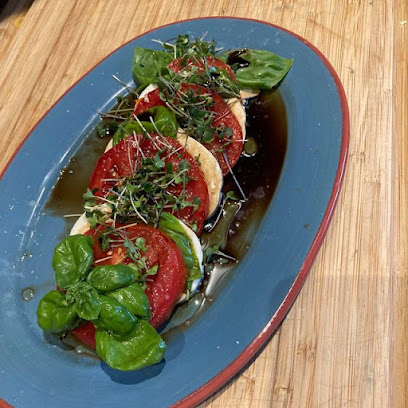
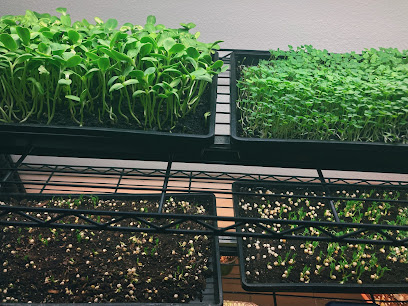
Urban Microgreen Producer. Top products: Microgreens. Microgreen Gals is a Lincoln, Nebraska-based agricultural venture dedicated to providing nutrient-dense microgreens to the local community. Their operations focus on cultivating high-quality, clean produce that serves as both a culinary ingredient and a visual enhancement for dishes. By prioritizing local distribution, the farm aims to bridge the gap between urban consumers and fresh, sustainable food sources. Their mission centers on improving community health through accessible, nutrient-rich greens grown with care. As a small-scale producer, they emphasize quality and freshness, catering to individuals and potentially local culinary partners who value locally sourced ingredients.
The microgreens market in Nebraska is currently in an early adoption phase. While the state possesses a massive agricultural infrastructure centered on corn, soy, and cattle, the niche sector of controlled environment agriculture (CEA) remains focused on high-density urban centers. Current data confirms two verified operations: Big Prana Microgreens and Microgreen Gals. These farms represent the shift toward hyper-local food production, reducing the reliance on long-haul supply chains for fragile, high-turnover produce like sunflower shoots, radish greens, and pea shoots.
Nebraska's agricultural sector is traditionally defined by large-scale, outdoor commodity crops. Microgreens represent a direct challenge to this model. By moving production into climate-controlled indoor spaces, growers bypass the volatility of the Great Plains' weather. This shift allows for year-round production, which is essential given that the growing season for traditional field crops is severely restricted by late spring frosts and early autumn freezes. The current market penetration is limited, but demand from fine-dining establishments and health-conscious consumers in urban hubs is rising.
Urban farming success in Nebraska correlates directly with population density and the concentration of culinary infrastructure. Lincoln and La Vista currently lead the state in verified microgreen production.
Nebraska's climate is characterized by extreme temperature fluctuations, ranging from sub-zero winters to scorching, humid summers. Traditional outdoor agriculture is at the mercy of these shifts, as well as unpredictable precipitation patterns that have historically challenged irrigation sustainability in the western and central parts of the state. Microgreen and urban farming offer a solution to these geographical constraints.
Hydroponic and vertical farming systems require significantly less water than traditional soil-based agriculture. By utilizing recirculating nutrient film technique (NFT) or ebb-and-flow benches, Nebraska growers can produce yields per square foot that exceed traditional field agriculture by a factor of ten or more. This efficiency is vital in a state that is increasingly focused on water conservation and optimizing existing square footage within city limits. Indoor farming also eliminates the need for pesticides and herbicides, which is a major selling point for local restaurants looking to market "clean" ingredients. The controlled environment allows for precise regulation of light spectrums, humidity, and temperature, ensuring that the crop quality remains identical in January as it is in July.
For chefs, procurement managers, and individual households, sourcing microgreens locally requires a direct-to-farm approach. Because these greens are highly perishable, avoiding distributors who store products in warehouses for days is essential for quality control.
As Nebraska continues to diversify its agricultural output, the role of indoor, urban-based farms will likely expand. The ability to produce high-value produce in the middle of a city, independent of soil quality and seasonal constraints, is the future of the state's food security.
A: These cities offer the necessary density of restaurants, high-end grocery consumers, and logistical infrastructure required to move highly perishable produce before it loses quality.
A: Nebraska's extreme temperature swings make outdoor growing difficult. Indoor farming provides a consistent, controlled environment that allows for year-round production regardless of the weather outside.
A: Yes. Microgreens are highly perishable. Local sourcing ensures the product is harvested at peak maturity and delivered within hours, whereas shipped greens often spend days in transit, losing flavor and structural integrity.
The most popular reviews:
I have recently discovered these microgreens and fell in LOVE. I get them from hy-vee in papillion and they always taste fresh and pack so much flavor that you almost forget they’re healthy too. So happy to support a local business with such a great product!
— Big Prana Microgreens