The Microgreens Market in Nevada
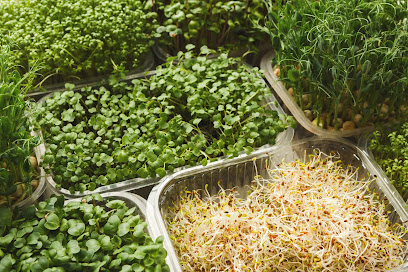
Nevada’s microgreens sector is currently defined by high-intensity, small-footprint production. With 7 verified farms currently serving the state, the market is shifting away from traditional field-based agriculture toward controlled environment agriculture (CEA). Microgreens—young vegetable greens that are approximately 1–3 inches tall—offer a high-value crop that maximizes square footage, a critical metric in Nevada's dense urban centers.
The market is characterized by high-quality standards, with several operators maintaining perfect 5-star ratings. Farms like The People’s Farm, Life On The Grow, and Tahoe Microgreens demonstrate that specialized, boutique production is the primary model for success in this region. These businesses focus on rapid turnover, often harvesting within 7 to 21 days, which allows for consistent cash flow despite the limited land availability typical of the Mojave Desert and the Great Basin.
Top Cities for Fresh Greens
Urban agriculture in Nevada is highly centralized. The data highlights three primary hubs: Spring Valley, Sparks, and Winchester. The concentration of farms in these areas is not accidental; it is driven by logistics, supply chain efficiency, and proximity to high-end restaurant corridors.
- Spring Valley: With 3 farms, this municipality acts as the primary microgreen hub for the Las Vegas metropolitan area. Its central location allows growers to minimize delivery times to high-end hospitality venues, ensuring the product reaches kitchen counters at peak freshness.
- Sparks: Serving the Northern Nevada market, Sparks hosts 3 farms, including Reno Living Microgreens LLC. The proximity to Reno creates a symbiotic relationship where urban growers supply the city's expanding culinary scene.
- Winchester: With 1 farm, Winchester represents the niche, high-density production model that maximizes urban space in the Las Vegas valley.
The dominance of Spring Valley and Sparks suggests that vertical integration and proximity to distribution nodes are the most significant factors in farm viability. As urban density increases, these hubs will likely see further intensification of hydroponic and vertical farming stacks.
Nevada Climate & Indoor Farming
Nevada’s climate is the most significant driver of the indoor farming movement. With an arid landscape characterized by extreme heat and limited water resources, traditional soil-based agriculture faces severe operational hurdles. Nevada’s water rights and drought regulations strictly govern irrigation, making high-water-usage crops difficult to scale.
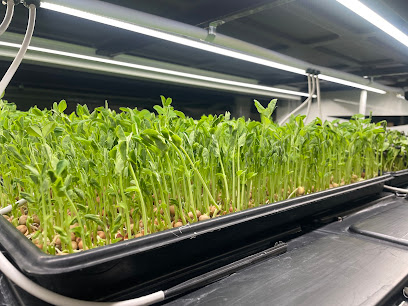
Hydroponics and vertical farming resolve these issues by using up to 90% less water than traditional field farming. By recirculating water within a closed-loop system, Nevada’s microgreen farmers bypass the evaporation and soil-salinity issues prevalent in desert agriculture. Furthermore, the state’s extreme temperature fluctuations—ranging from freezing winter nights to triple-digit summer days—make outdoor agriculture unreliable for sensitive crops like micro-arugula or micro-basil. Indoor climate control systems allow farmers to maintain a constant 68–72°F environment, ensuring 365-day production cycles.
These technological interventions are essential for food security in a state that historically relies on long-distance produce imports. By growing indoors, Nevada farmers are effectively shortening the supply chain, reducing their carbon footprint, and providing a fresher, more nutrient-dense product to the local market.
Sourcing Locally in NV
For restaurants, distributors, and residents looking to source fresh, locally grown microgreens, the following farms represent the current industry leaders:
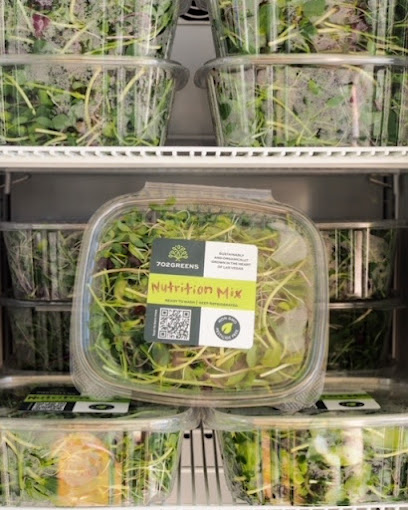
- 702greens (Rating: 4.8): A reliable option for professional-grade produce in the Las Vegas area.
- The People’s Farm (Rating: 5): High-rated local producer focusing on quality and consistency.
- Life On The Grow (Rating: 5): Known for premium output and sustainable growing practices.
- Tahoe Microgreens (Rating: 5): An organic-focused farm catering to the premium segment of the Northern Nevada market.
- Reno Living Microgreens LLC (Rating: 5): A staple in the Reno-Sparks area, specializing in high-turnover microgreen varieties.
- Growth & Greens: A growing participant in the local market landscape.
- Atomic Microgreens: A key food producer contributing to the regional supply chain.
When selecting a supplier, look for those who prioritize cold-chain logistics, as the Nevada heat can degrade the quality of harvested greens within minutes. Engaging directly with these farms often provides access to custom-grown batches and specific cultivars not available through broadline distributors.