Local Microgreens Market in Brooklyn
Brooklyn’s urban agriculture scene has shifted from hobbyist rooftop gardening to professional-grade controlled environment agriculture (CEA). Five primary suppliers currently dominate this space, ranging from boutique microgreen specialists to large-scale greenhouse operators. New York’s climate—characterized by harsh winters and humid summers—makes soil-based outdoor farming difficult for greens. Consequently, most Brooklyn farms utilize hydroponics or vertical farming systems. These indoor methods allow for year-round production, bypassing the limitations of the Northeast weather cycle while maintaining a hyper-local supply chain.
Comparison of Top Growers
| Farm Name | Rating | Specialization | Type |
|---|
| Ecobay Farms | 5 | Microgreens & Edible Flowers | Organic Farm |
| BkGreens | 5 | Nutrient-dense Microgreens | Food Producer |
| Gotham Greens | 4.6 | Vegetables & Herbs | Urban Greenhouse |
| Green Farm | 5 | General Produce | Farm |
| Fort Greens Farm | 5 | General Produce | Farm |
Deep Dive into Suppliers
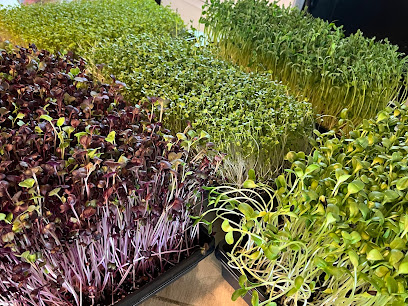
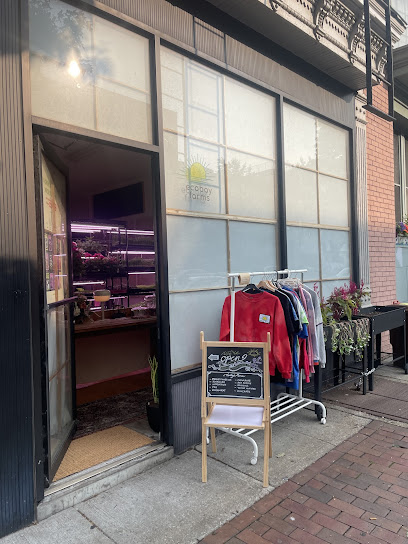
Ecobay Farms: This operation focuses on the culinary sector, delivering microgreens and edible flowers within 24 hours of harvest. Their logistics network spans all five boroughs, serving both professional chefs and direct-to-consumer households.
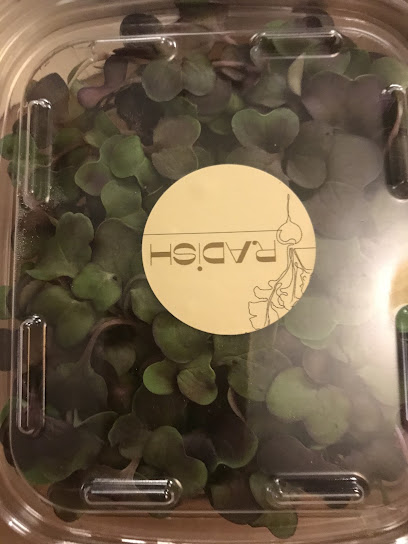
BkGreens: Specializing in nutrient-dense varieties like radish, sunflower, and pea shoots, this farm uses a subscription model to lower barriers to entry for health-conscious Brooklynites. Their chemical-free, pesticide-free approach prioritizes the high nutritional density found in early-stage sprouts.
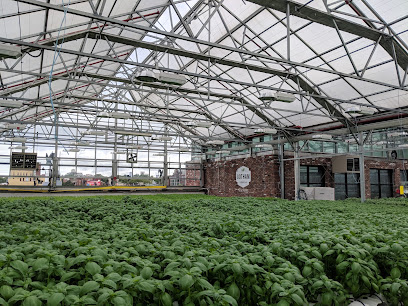
Gotham Greens: As a significant player in urban greenhouse technology, they provide consistent, year-round access to herbs and salad kits. Their model focuses on reducing the carbon footprint by replacing long-distance supply chains with regional production.
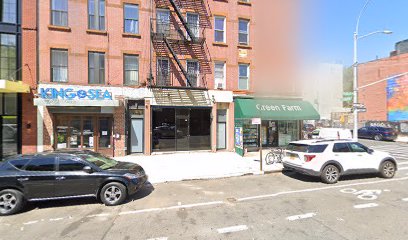
Green Farm: Operating as a general urban farm, this provider contributes to the local agricultural diversity of the borough. Their presence highlights the growing trend of integrating small-scale food production into residential and commercial urban spaces.
Fort Greens Farm: As a general urban farm, this entity supports the localized food movement by providing proximity-based produce. Their operation reflects the shift toward utilizing small, underused urban plots for sustainable cultivation.
Buying Guide for NY Residents
Microgreens are more than just a garnish; they are concentrated sources of vitamins C, E, and K, often containing higher nutrient concentrations than their mature counterparts. When purchasing in New York, follow these guidelines to ensure quality:
- Check the Harvest Date: Freshness is critical. If a producer like Ecobay Farms guarantees delivery within 24 hours, take advantage of it. Microgreens lose structural integrity and nutritional value rapidly once cut.
- Visual Cues: Look for vibrant, upright stems. Avoid any product with yellowing leaves or signs of slime, which indicate poor airflow or age.
- Subscription Efficiency: Services like BkGreens offer 10% discounts for subscribers. This is the most cost-effective way to integrate daily servings of broccoli or sunflower greens into your diet.
- Climate Resilience: Because New York indoor farms use controlled environments, you are not limited by the seasons. Demand for local greens is consistent, but supply can fluctuate; subscribing ensures your share of the harvest.
The nutritional science behind microgreens is robust. Broccoli microgreens, for instance, are known for sulforaphane, a compound linked to cellular health. Pea shoots offer a sweet, crunchy texture while providing a significant boost in protein and fiber. By choosing a Brooklyn-based grower, you are not only securing a fresher product but also reducing the energy costs associated with shipping leafy greens from the West Coast or overseas.