The Microgreens Market in New York
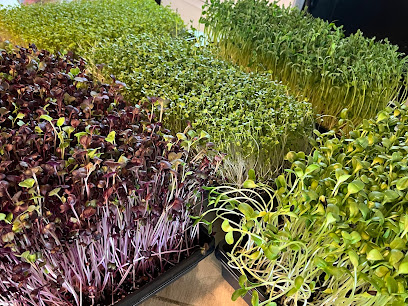
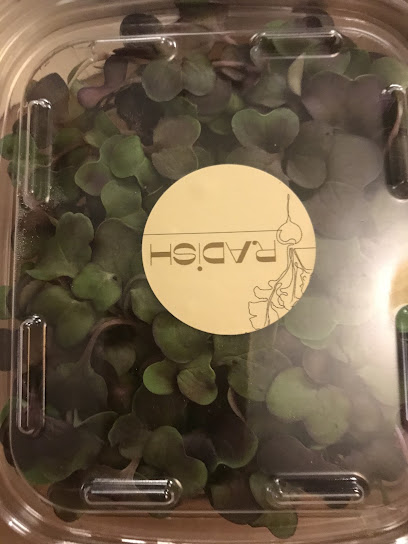
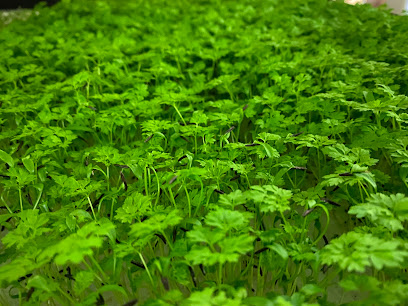
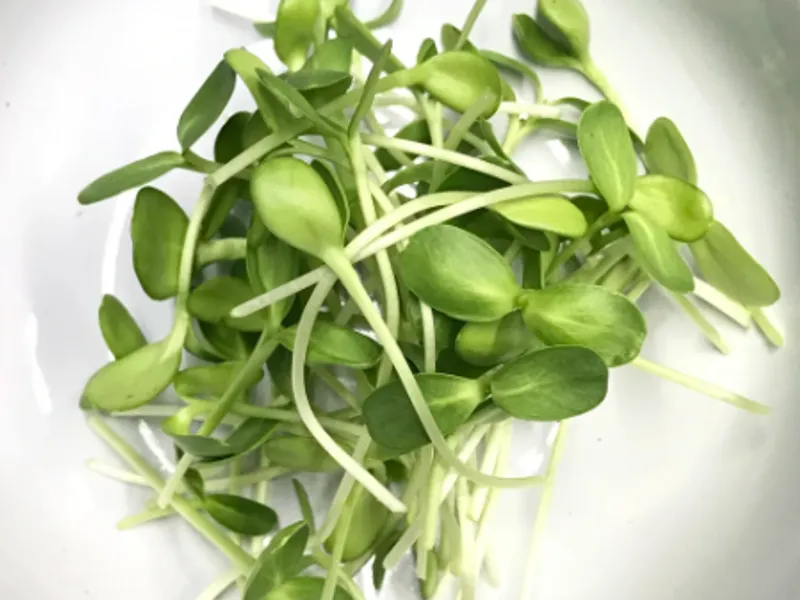
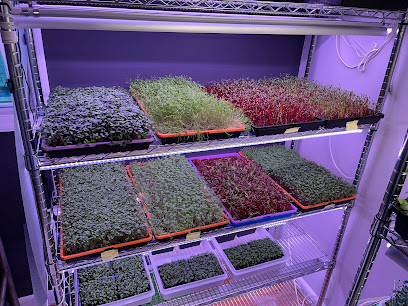
New York’s agricultural landscape is shifting. With 91 verified farms currently operating, the microgreens sector has transitioned from a niche hobby to a professionalized supply chain. High demand from the state's dense restaurant industry, particularly in metropolitan centers, drives this growth. Growers are moving away from traditional soil-based farming, opting instead for vertical hydroponic systems that maximize yield per square foot. This shift is essential in a state where real estate costs are prohibitive. The market exhibits high quality, with numerous farms like farm-a-leaf, Bijou Greens, and Ample Greens Microgreen Farm maintaining perfect 5-star ratings. These producers focus on rapid turnover crops like radish, pea shoots, and sunflower greens to satisfy year-round demand.
Top Cities for Fresh Greens
Urban farming is not distributed evenly across the state. Data indicates 15 active cities, but density is heavily concentrated in Valley, which hosts 63 of the 91 verified farms. This suggests that Valley has developed the necessary infrastructure—likely in terms of commercial zoning, warehouse availability, and proximity to distribution hubs—to support high-intensity urban agriculture. Other notable hubs include South Park with 8 farms and Mid Island with 6. While cities like Upper Manhattan, St. Albans, and Richmond represent smaller footprints, they provide critical last-mile delivery options for local consumers. The disparity in farm count between Valley and other regions points to a maturing supply chain where specialized agricultural zones are beginning to dictate market access.
New York Climate & Indoor Farming
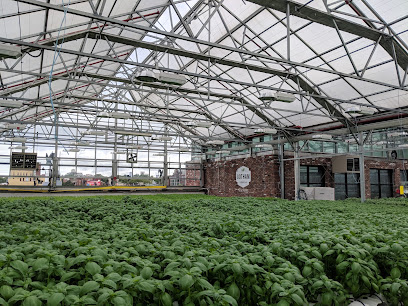
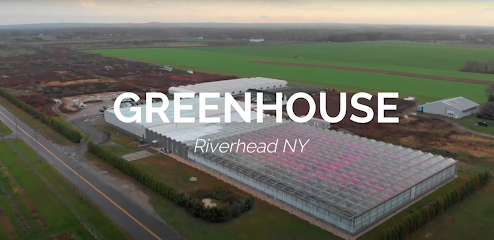
New York’s climate presents a significant barrier to traditional field agriculture. Winters are long and cold, and the growing season is truncated, forcing traditional farmers to cease production for months at a time. This environmental constraint has acted as a catalyst for the state's indoor farming revolution. By utilizing hydroponic and vertical farming techniques, producers like Gotham Greens and City-Hydro bypass the limitations of New York's frost cycles. Water management is a secondary driver. While New York generally has more reliable water access than the American West, the cost of municipal water in urban centers makes recirculating hydroponic systems mandatory for profitability. These systems use up to 90% less water than soil-based farming, aligning with state initiatives to reduce resource intensity in urban production. Furthermore, by controlling the environment—temperature, humidity, and light spectrum—New York growers ensure consistent harvest cycles, which is critical for maintaining contracts with upscale culinary clients who demand uniform product quality.
Sourcing Locally in NY
Restaurants, retailers, and individual residents looking to procure microgreens should prioritize farms that focus on transparency and quality certifications. To identify the best suppliers, consider the following:
- Prioritize Verified Producers: Look for farms with proven track records such as Rochester Microgreens, Back Mountain Microgreens, or Microgreen FX, which demonstrate consistent output.
- Assess Agricultural Methodology: Determine if the farm uses hydroponic equipment, which often results in cleaner, more shelf-stable produce compared to soil-grown alternatives.
- Check Supply Chain Proximity: Given the high concentration of farms in Valley, businesses located nearby should prioritize local sourcing to minimize transport times, which is the primary factor in microgreen shelf life.
- Evaluate Technical Expertise: For those seeking equipment or consulting, suppliers like City-Hydro (hydroponics equipment) and Interstellar Microgreens (agricultural services) provide the necessary technical support to scale production.
- Review Ratings: Use verified ratings to filter for consistency, as the microgreen market is highly sensitive to crop failure and pathogen risks.