Local Microgreens Market in New Paltz
The microgreens market in New Paltz currently relies on a limited but distinct network of producers. While the area is synonymous with agricultural production, the specific niche of microgreens—young vegetable greens that are approximately 1–3 inches tall—requires controlled environments to thrive. New York’s climate, characterized by harsh winters and humid summers, poses significant challenges for traditional field farming. Consequently, the local market has shifted toward indoor, soil-based, or hydroponic systems. This approach allows growers to bypass seasonal limitations, providing the Hudson Valley with year-round access to nutrient-dense produce. Currently, there are two primary entities serving the area, each operating under different business models that cater to distinct segments of the food supply chain.
Comparison of Top Growers
| Farm Name | Rating | Specialization | Type |
|---|
| Tiny Greens Farm, LLC | 5 | Soil-grown microgreens, edible flowers, gourmet mixes | Farm |
| New Paltz Micro Farm | N/A | General urban farm produce | Community garden |
Deep Dive into Suppliers
Tiny Greens Farm, LLC operates as a woman-owned, veteran family micro-farm out of East Fishkill. They specialize in soil-grown crops and prioritize wholesale partnerships with chefs, cafes, and food trucks, while also integrating into regional CSA programs. Their focus on hyper-local distribution ensures that the time between harvest and consumption remains minimal, which is critical for the shelf life of delicate greens.
New Paltz Micro Farm functions as a community garden. Because this is not a commercial wholesale entity, buyers should expect a different experience, likely centered around community-supported agricultural projects or smaller, intermittent harvests. As an urban farm, this site acts as a local resource for fresh produce rather than a high-volume commercial supplier.
Nutritional Science and Climate Resilience
Microgreens are more than a culinary garnish. Scientific studies suggest that these seedlings contain significantly higher concentrations of vitamins and antioxidants compared to their mature counterparts. Broccoli microgreens, for instance, are dense in sulforaphane, a compound linked to cellular health. Pea shoots offer a sweet, crunchy profile high in vitamins A and C, while radish varieties provide a spicy kick with high levels of minerals.
In New York, the move toward indoor vertical farming is a response to the regional climate. By controlling light, temperature, and humidity, growers eliminate the risk of frost damage and pest pressure associated with outdoor crops. This control allows for consistent quality, enabling local restaurants to rely on a steady supply of gourmet mixes regardless of the January snowfall. For the urban resident, sourcing from these controlled environments ensures a cleaner product with a smaller carbon footprint than greens shipped from the West Coast.
Buying Guide for NY Residents
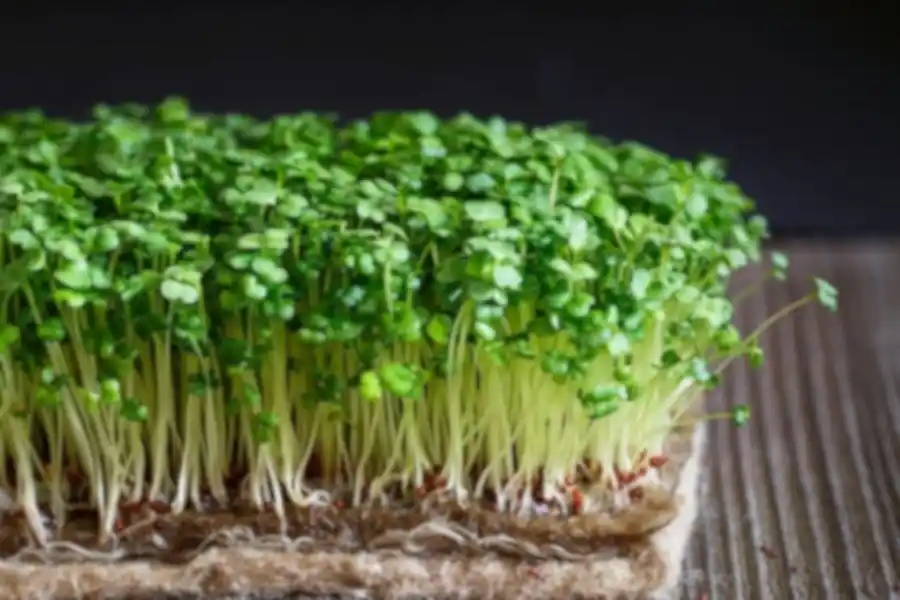
- Check for Turgidity: Fresh microgreens should stand upright and look vibrant. Avoid packages with signs of wilting, slime, or discoloration.
- Observe the Roots: If buying "living" trays, check the roots for a clean, white appearance. Brown or fuzzy roots can indicate improper soil moisture or mold.
- Know Your Source: Buying locally grown greens keeps capital in the Hudson Valley and reduces the environmental cost of long-haul refrigerated transport.
- Storage Matters: Once purchased, store greens in a breathable container in the refrigerator. Use them within 3-5 days to maximize nutritional density and flavor.
- Ask About Growing Mediums: Inquire whether the farm uses organic soil or hydroponic mats. Soil-based greens, like those from Tiny Greens Farm, often offer a distinct mineral-rich flavor profile compared to their hydroponic counterparts.

 T
T