Local Microgreens Market in Poughkeepsie
Poughkeepsie residents have access to two primary localized sources for microgreens. This is significant given the volatile New York climate. Traditional outdoor farming faces harsh winters and short growing seasons. Indoor vertical farming, however, circumvents these environmental constraints entirely. By utilizing controlled-environment agriculture (CEA), growers in the Hudson Valley maintain consistent yields year-round. This setup protects crops from temperature fluctuations and pests without the need for synthetic chemicals. Local production reduces food miles, ensuring that produce reaches the kitchen at peak nutritional density. When greens travel long distances, they lose vitamins and texture. Poughkeepsie-based growers prioritize harvesting and immediate distribution, which keeps the supply chain short and the product shelf-life long.
Comparison of Top Growers
| Farm Name | Rating | Specialization | Type |
|---|
| Hudson Valley Microgreens | 4.4 | Organic Soil and Coir-based | Farm |
| Indoor Organic Gardens of Poughkeepsie | 5.0 | Urban Microgreen Producer | Farm |
Deep Dive into Suppliers
Hudson Valley Microgreens operates out of LaGrangeville, focusing on sustainable practices with soil and coir mediums. They emphasize a 24-hour turnaround from harvest to delivery, which is critical for maintaining flavor profiles and structural integrity. Their model includes free local delivery and subscription options for recurring demand.
Indoor Organic Gardens of Poughkeepsie operates directly at 316 Main St, placing them in an urban-centric location. They prioritize functional nutrition, specifically highlighting the sulforaphane content in their crops. By focusing on culinary application, they cater to both home cooks and local chefs looking for intense, fresh flavor additions to their menus.
The Science of Microgreens
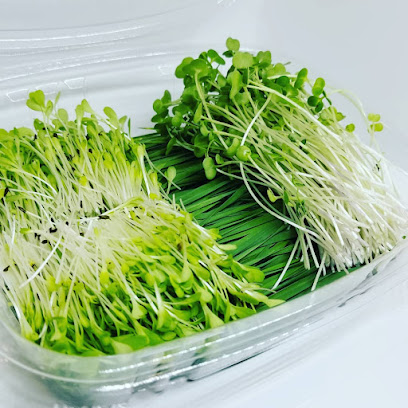
Microgreens are the young seedlings of vegetables and herbs, harvested shortly after the first true leaves appear. They are not merely garnishes. Research indicates that these plants often contain significantly higher concentrations of vitamins and antioxidants than their mature counterparts. For instance, broccoli microgreens are a potent source of sulforaphane, a compound linked to anti-inflammatory and cancer-fighting properties. Pea shoots offer a sweet, crunchy profile rich in folate and vitamins A and C, while radish microgreens provide a sharp, spicy kick along with high levels of vitamin E. For urban residents in Poughkeepsie, these crops offer a way to boost daily micronutrient intake without requiring large amounts of space or heavy cooking.
Buying Guide for NY Residents
- Check the Stem: Fresh microgreens should stand upright. If the stems appear limp, wilted, or slimy, the product is past its prime.
- Moisture Control: Avoid packages with excessive condensation or pooled water. Excess moisture accelerates decay and bacterial growth.
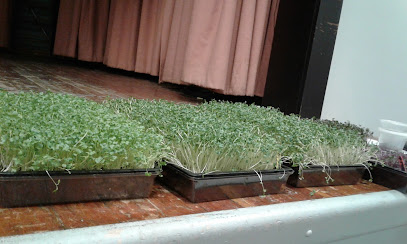
- Check the Roots: If buying "living" trays, ensure the root mat is white and smells fresh. A sour or earthy-musty smell indicates root rot.
- Storage Protocol: Keep greens in the original packaging or a sealed glass container. Store them in the crisper drawer to maintain the ideal humidity level.
- Nutritional Timing: Consume within 3-5 days of purchase for maximum vitamin retention.
- Why Local Matters: New York's indoor farms reduce the carbon footprint associated with shipping greens from the West Coast or overseas. Supporting local growers sustains the regional economy and ensures you aren't paying for the "water weight" of old, refrigerated produce.