The Microgreens Market in Oregon
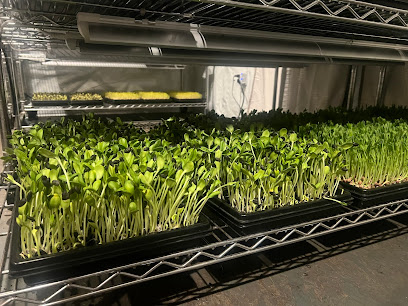
Oregon’s agricultural sector is undergoing a quiet transformation. While the state is historically defined by Willamette Valley viticulture and hazelnut production, a new wave of microgreen growers is claiming space in urban centers. Current data identifies nine verified farms operating across the state. These operations focus on high-turnover, high-nutrient density crops that command premium pricing in the culinary sector. Unlike commodity crops that rely on vast acreage, these microgreen producers operate in controlled environments, effectively decoupling food production from traditional soil quality and seasonal limitations.
The market currently relies on a blend of direct-to-consumer sales and wholesale distribution. Establishments like Petal Pusher Microgreens act as vital nodes in the supply chain, facilitating the movement of greens from indoor racks to professional kitchens. The consistency of these year-round harvests has turned microgreens from a niche garnish into a staple ingredient for the Pacific Northwest farm-to-table movement.
Top Cities for Fresh Greens
Urban farming is centralized in regions with high restaurant density and demographic interest in locally sourced nutrition. Currently, five cities host the majority of Oregon's verified professional microgreen production:
- Portland (4 farms): As the state's largest population center, Portland serves as the primary incubator for vertical farming. The concentration of farms here, including PDX Healthy Greens and Nexgarden Farms, is driven by the city’s robust demand for fresh, organic produce in the high-end dining scene.
- McMinnville (2 farms): Positioned in the heart of wine country, these farms likely service the premium hospitality industry, leveraging the proximity to high-end tasting rooms and restaurants that prioritize hyper-local sourcing.
- Canby (1 farm): Utilizing its location within the fertile Willamette Valley, this hub benefits from proximity to both rural infrastructure and the Portland metro market.
- Salem (1 farm): As the state capital, the presence of an active farm here reflects a consistent demand from institutional and government-adjacent food services.
- Central Point (1 farm): This hub represents the expansion of indoor farming into Southern Oregon, proving that microgreen production is viable outside the immediate shadow of the Portland metro area.
Oregon Climate & Indoor Farming
Oregon’s climate is characterized by wet, mild winters and dry summers. While the Willamette Valley is agriculturally fertile, the long, overcast winters and the increasing incidence of summer droughts present challenges for traditional outdoor row-crop farming. Indoor vertical farming, specifically for microgreens, mitigates these issues entirely.
Hydroponic and climate-controlled systems allow Oregon growers to maintain stable production cycles regardless of external precipitation levels. By leveraging closed-loop irrigation systems, these growers drastically reduce water consumption compared to field-grown vegetables. This is critical as the state faces increased scrutiny over water rights and irrigation efficiency. Indoor farming in Oregon essentially mimics a perpetual spring, maintaining optimal humidity and temperature levels necessary for rapid crop turnover—often harvesting in 7 to 14 days. This reliability makes indoor farming the most resilient sector of the state’s agricultural economy in the face of shifting climate patterns.
Sourcing Locally in OR
For chefs, procurement managers, and individual consumers looking to source the highest quality greens, the following verified entities represent the current state of the industry:
- Urban Roots Microgreens: A top-rated producer focus on high-quality, soil-based or hydroponic standards.
- Nueva Vista Farm: Reliable, high-rating producer serving local markets.
- Slow Creek Farm: Known for consistency and operational excellence.
- Left Coast Fresh LLC: A key player in the professional-grade supply chain.
- OMG Oregon Microgreens: A farm shop model that bridges the gap between production and retail availability.
- Mulino Microgreens: Specialized grower contributing to the regional diversity of crops.
- Petal Pusher Microgreens: Essential wholesaler for those requiring bulk, consistent delivery.
- PDX Healthy Greens: A specialized store providing direct access to the urban center.
- Nexgarden Farms: An innovative farm operation scaling up for the Portland market.

 C
C