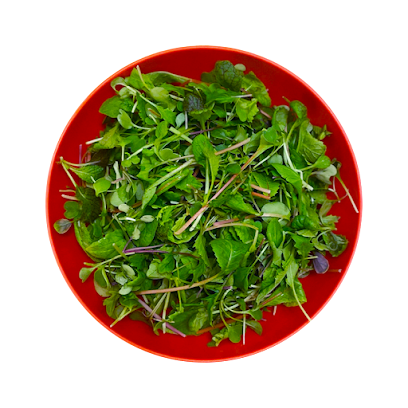
Local Microgreens Market in Portland
Portland’s microgreen market currently centers on small-scale, hyper-local producers who bypass traditional retail supply chains. With only two primary identified suppliers, the local scene relies heavily on direct-to-consumer delivery models. This structure ensures that product transit time is minimal—often moving from harvest to doorstep in under 24 hours. Because the Pacific Northwest climate features significant cloud cover and seasonal temperature swings, these operations rely almost exclusively on indoor vertical farming and hydroponic systems. These controlled environments allow growers to bypass the limitations of Oregon’s short outdoor growing season, producing consistent yields year-round.
Comparison of Top Growers
| Farm Name | Rating | Specialization | Type |
|---|
| Crunchy Microgreens | 5 | Organic Microgreens & Wheatgrass | Farm |
| Nexgarden Farms | N/A | Urban Microgreens & Blends | Urban Farm |
Deep Dive into Suppliers
Crunchy Microgreens focuses on organic production and wheatgrass juice. Their subscription model targets residents seeking consistent, scheduled deliveries of nutrient-dense greens directly to their homes.
Nexgarden Farms operates in the South Waterfront neighborhood as an urban agricultural hub. Because they lack a public rating, buyers should view them as a boutique, hyper-local provider; their non-rated status typically indicates a newer operation or one focused on niche, direct-to-chef relationships rather than broad public review platforms.
Nutritional Science and Urban Utility
Microgreens are not just garnishes. Research indicates that these young vegetable greens contain higher concentrations of vitamins, minerals, and antioxidants than their mature counterparts. For example, broccoli microgreens are packed with sulforaphane, a compound linked to reduced inflammation. Radish microgreens offer a high concentration of vitamin C, while pea shoots provide a significant boost of fiber and protein. For Portland residents living in apartments or high-density urban areas, these greens offer a way to access fresh, nutrient-dense produce without requiring a backyard garden. The vertical farming methods used by local growers mean that the carbon footprint of your salad is significantly lower than produce shipped from California or Mexico.
Buying Guide for OR Residents
- Check for Turgidity: Fresh microgreens should stand upright and look crisp. If the stems appear wilted or the leaves are yellowing, the product is likely past its peak freshness.
- Assess the Soil/Medium: Ask growers if they use organic soil or hydroponic mats. Both are effective, but transparency regarding the growing medium is a sign of a high-quality operation.
- Verify Harvest Date: Always ask when the greens were cut. The nutritional profile and flavor intensity drop sharply after the first 48 hours post-harvest.
- Storage Habits: Keep your microgreens in a sealed container in the refrigerator. Use them within 3-5 days to maximize the nutritional benefits and taste.
- Support Hyper-Local: Buying from urban farms like those in South Waterfront reduces the "food miles" associated with your diet, effectively supporting Portland’s internal agricultural economy.

 C
C