The Microgreens Market in Tennessee
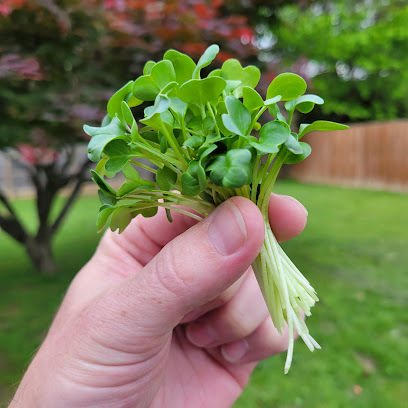
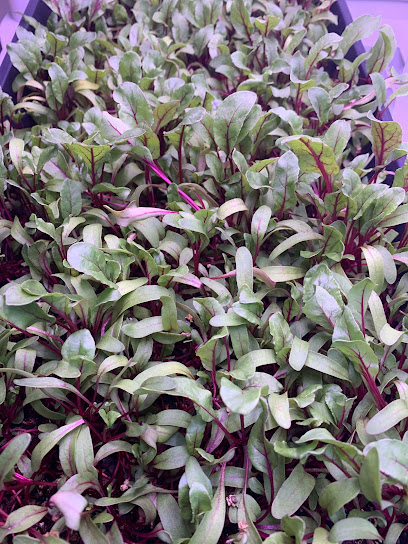
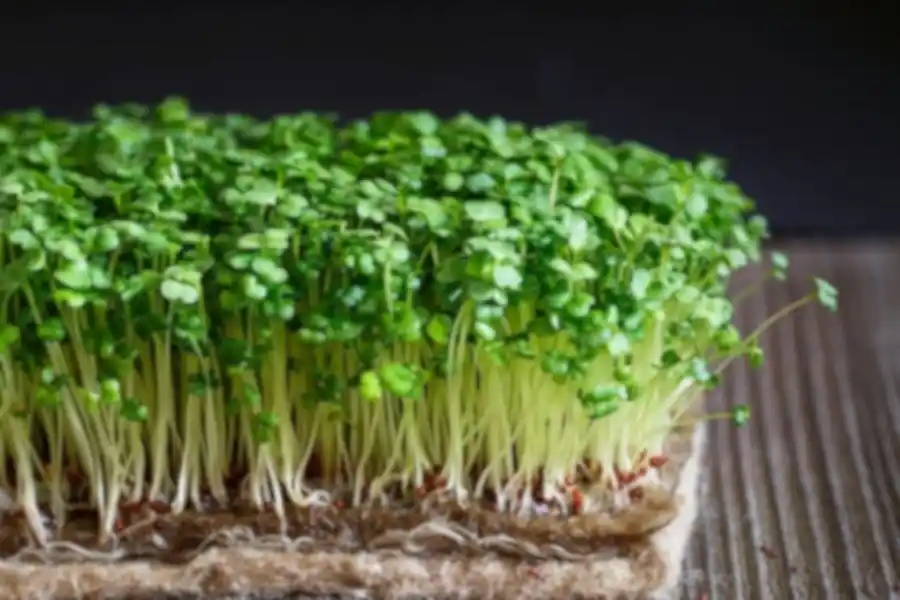
Tennessee’s agricultural sector is shifting. While the state remains a powerhouse for traditional row crops like soybeans and corn, a specialized market for nutrient-dense, high-turnover produce is gaining traction. Microgreens—seedlings harvested shortly after cotyledon development—represent the pinnacle of this shift. Currently, there are 8 verified commercial entities operating across the state. These operations focus on rapid production cycles, often yielding harvests in 7 to 14 days. By utilizing vertical racking systems and controlled environment agriculture (CEA), these growers bypass the constraints of traditional soil-based farming.
The market is characterized by a high degree of specialization. Operations like Pinky's Micros and Radical Shoots have achieved perfect ratings, signaling a consumer shift toward quality-first local procurement. Unlike large-scale industrial greens shipped from the West Coast, Tennessee-grown microgreens offer significantly longer shelf life and higher nutritional density due to the reduction in transit time. This is a supply chain advantage that local chefs in Nashville and beyond are increasingly leveraging to distinguish their menus.
Top Cities for Fresh Greens
Urban density drives the microgreens market. Nashville, the state's largest metropolitan hub, accounts for 25% of the verified farm count. This concentration is no accident. High-end culinary demand in Nashville creates a ready-made market for high-margin products like pea shoots, sunflower sprouts, and micro-cilantro. The proximity of restaurants to suppliers allows for a 'farm-to-fork' model that minimizes spoilage and maximizes flavor profiles.
Beyond Nashville, the market is distributed across strategic urban nodes:
- Greeneville: Serving the East Tennessee corridor.
- La Vergne: Leveraging proximity to logistics hubs for regional distribution.
- Oak Ridge: Tapping into a tech-centric, health-conscious demographic.
- Kingsport: Providing essential regional fresh produce access.
- Seymour: Supporting smaller, localized supply chains.
- Hendersonville: Capturing the suburban demand surrounding the Nashville metro area.
These 7 cities function as the primary nodes for indoor farming. As logistics costs rise, these localized growers are becoming more competitive against traditional broadline distributors.
Tennessee Climate & Indoor Farming
Tennessee’s geography presents unique challenges for outdoor agriculture. The state experiences humid subtropical conditions, characterized by hot, humid summers and volatile spring weather. These environmental factors complicate the production of delicate leafy greens. High humidity levels in Tennessee can lead to rapid fungal growth and disease pressure in traditional greenhouses. Consequently, indoor vertical farming is the most viable path for long-term sustainability.
Hydroponic and aeroponic systems allow TN growers to decouple production from the state’s erratic climate. By maintaining a constant indoor environment, growers control temperature, humidity, and light spectra regardless of whether it is a sweltering July afternoon or a freezing January morning. Water management is another critical advantage. Tennessee has abundant water resources compared to the arid West, yet efficient recirculating hydroponic systems are still preferred. These systems reduce water consumption by up to 90% compared to traditional field irrigation, making them a future-proof model for urban resource management. By stacking production vertically, Tennessee farmers are maximizing the economic output of small-footprint urban real estate.
Sourcing Locally in TN
For restaurants, grocery buyers, and health-conscious residents, identifying the right supplier is essential for quality control. When evaluating a local microgreen supplier, consider the following metrics:
- Production Transparency: Does the farm provide data on harvest times? Freshness is the primary selling point for microgreens.
- Variety Range: Top-tier farms like Appalachian Greens or Good Greens Microgreens Farm offer diverse portfolios including radish, amaranth, and basil varieties.
- Logistics: Proximity matters. Prioritize farms that offer direct-to-door delivery within 24 hours of harvest.
- Safety Standards: Indoor farming requires stringent sanitization protocols. Verified farms should be able to discuss their hygiene practices, specifically regarding seed sourcing and water testing.
- Consistency: Evaluate farms with proven track records, such as Greener Roots Farm or Little Mountain Microgreens, which maintain high ratings through reliable supply.
By prioritizing these localized supply chains, Tennessee consumers reduce their carbon footprint while supporting the state’s growing urban agricultural sector.

 R
R