Local Microgreens Market in Nashville
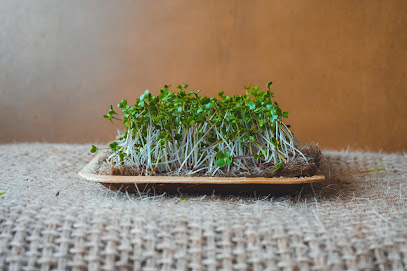
Nashville’s agricultural landscape is shifting. While Tennessee summers bring high humidity and volatile weather, indoor vertical farming has neutralized these climate challenges. Five key suppliers currently dominate the local market. These operations bypass the traditional field-to-shelf supply chain entirely. They use controlled environments to maintain constant temperatures and humidity levels, regardless of the heat index outside. This creates a year-round harvest cycle for nutrient-dense greens like radish, pea shoots, and broccoli. Consumers benefit from higher concentrations of vitamins and antioxidants that degrade quickly during long-distance shipping.
Comparison of Top Growers
| Farm Name | Rating | Specialization | Type |
|---|
| Greener Roots Farm | 4.9 | Hydroponic Leafy Greens | Commercial Farm |
| Revity Farms | 4.9 | Microgreen-enriched Foods | Direct-to-Consumer |
| Andrew’s Micro-Greens | 4.0 | General Urban Farming | Production |
| Radical Shoots Microgreens | 5.0 | Mushrooms & Microgreens | Urban Producer |
| Pinky's Micros | 5.0 | Organic Microgreens | Delivery Service |
Deep Dive into Suppliers
Greener Roots Farm: This operation focuses on industrial-scale hydroponics, supplying bulk produce to Nashville restaurants. They prioritize water efficiency, using 90% less water than traditional soil-based farming.
Revity Farms: They specialize in the value-added market, turning microgreens into freeze-dried powders and prepared foods like pesto. Their model focuses on direct-to-consumer delivery for maximum freshness.
Andrew’s Micro-Greens: Categorized as general urban production, this grower serves as a smaller-scale entry point for local greens. Their presence signals a growing interest in hyper-local agricultural production within city limits.
Radical Shoots Microgreens: This farm bridges the gap between produce and pantry by pairing microgreens with gourmet mushrooms and maple syrups. Their weekly distribution model keeps inventory moving quickly for subscribers.
Pinky's Micros: A delivery-focused model, they emphasize organic certification and convenience. Their subscription service allows Nashville residents to automate their intake of nutrient-dense sprouts.
Buying Guide for TN Residents
- Check for Turgidity: Fresh microgreens should stand upright. If they appear wilted or slimy, they have likely exceeded their shelf life.
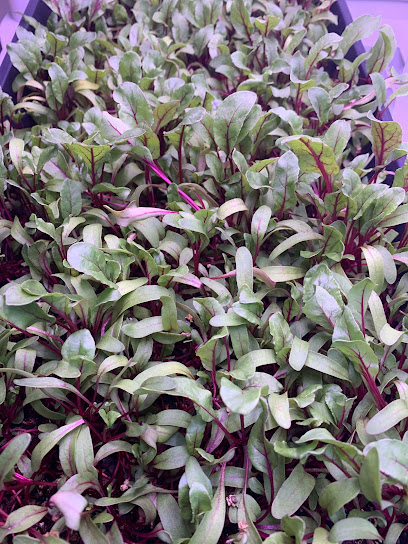
- Color Intensity: Bright, vibrant colors indicate proper light exposure and high nutrient density. Avoid yellowing or pale stems.
- Local Advantage: Tennessee-grown greens avoid the 'cold chain' logistics that ruin delicate produce. Buying local means your greens were likely harvested within 24-48 hours of delivery.
- Understand 'Hydroponic' vs 'Soil': Both are safe and clean. Hydroponic greens are grown in nutrient-rich water, while soil-grown greens often boast a slightly earthier flavor profile.
- Storage Protocol: Keep microgreens in the crisper drawer of your refrigerator. Paper towels in the container can help absorb excess moisture and prevent rot.
Microgreens pack significantly more nutritional value than their mature counterparts. Research suggests that radish and broccoli microgreens contain higher levels of Vitamin C and polyphenols compared to the full-grown vegetable. For urban residents in Nashville, incorporating these into daily meals provides a simple way to increase micronutrient density without needing extensive meal preparation. Whether you choose a subscription service for weekly delivery or source from a commercial farm, the local Nashville market provides ample options for high-quality, pesticide-free produce.

 R
R