Local Microgreens Market in Sterling
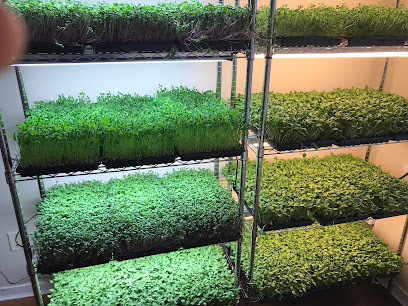
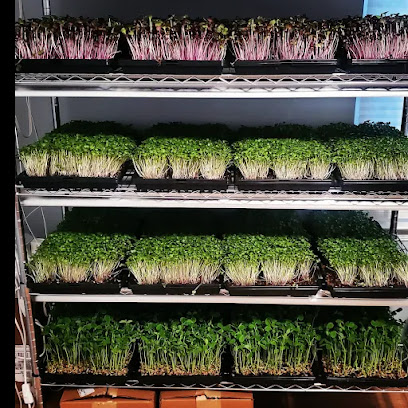
Sterling, Virginia, serves as a hub for small-scale, high-intensity urban agriculture. Three primary suppliers dominate the local market, each leveraging the climate-controlled advantages of indoor vertical farming. While Northern Virginia experiences significant seasonal temperature swings and humidity fluctuations, these indoor operations bypass these environmental constraints entirely. By utilizing hydroponic and indoor soil-based systems, growers maintain precise control over light, humidity, and airflow. This consistency allows for year-round production of nutrient-dense greens regardless of the weather outside.
The local microgreen industry here is defined by a rapid harvest-to-delivery model. All three identified farms prioritize a 24-hour delivery window, ensuring that the enzymatic activity and vitamin density—often lost in transit from large-scale commercial distributors—remain intact. Consumers in Loudoun and Fairfax counties benefit from this proximity, moving away from imported grocery store produce toward hyper-local, pesticide-free alternatives.
Comparison of Top Growers
| Farm Name | Rating | Specialization | Type |
|---|
| Backyard Dreams Microgreens LLC | N/A | Nutrient-dense varieties | Urban Farm |
| Han's Greens | 5 | Subscription delivery | Direct-to-consumer |
| Living Green Aquaponics & Microgreens LLC | 5 | Commercial & home supply | Direct-to-community |
Deep Dive into Suppliers
Backyard Dreams Microgreens LLC, founded by Meghan Cole, operates as a specialized urban agricultural entity. Because they lack a public rating, buyers should view them as a boutique, small-scale operation that prioritizes personalized, direct-to-consumer service over high-volume retail. Their model focuses on four core varieties, making them an ideal choice for residents seeking focused, consistent quality rather than broad product ranges.
Han's Greens maintains a perfect 5-star rating based on 18 reviews, driven by a low-friction subscription model. They focus heavily on consumer education and convenience, utilizing free sample boxes to help residents integrate broccoli, sunflower, and radish greens into their daily routines. Their logistical efficiency makes them a top choice for households looking for automated, recurring health food delivery.
Living Green Aquaponics & Microgreens LLC stands out with a 5-star rating from 26 reviews, led by Jens-Peter. They offer the most extensive catalog, boasting over 40 varieties of microgreens. Their dual-channel approach, serving both private homes and commercial restaurant clients, indicates a robust, professional-grade infrastructure capable of meeting high demand while maintaining consistent quality standards.
Buying Guide for VA Residents
When selecting microgreens in Northern Virginia, freshness is the primary metric for nutritional value. Use this guide to ensure you are getting the highest quality product:
- The 24-Hour Rule: Always prioritize farms that guarantee harvest within 24 hours of delivery. Microgreens respire quickly after cutting, and nutrient degradation accelerates significantly after the first day.
- Visual Inspection: Look for vibrant, upright stems. Avoid any containers showing signs of wilting, yellowing, or excess moisture condensation, as these indicate improper storage or impending spoilage.
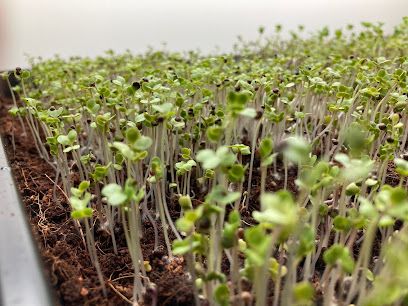
- Substrate Awareness: Ask if the greens are grown on soil or a hydroponic medium. Both are safe, but soil-grown greens often retain more earth-derived minerals, while hydroponic greens are generally cleaner and easier to use immediately.
- Nutritional Specifics: Broccoli microgreens are highly sought after for their sulforaphane content, while radish varieties provide a potent, spicy flavor profile. Sunflower shoots offer a substantial, nutty texture perfect for salads.
- Subscription Benefits: In the D.C.-Maryland-Virginia (DMV) area, subscription models help local farmers plan their planting cycles more accurately. This reduces food waste and ensures you receive the freshest possible product on a predictable schedule.
By shifting your purchasing habits to these local Sterling growers, you support regional food security and gain access to produce that is demonstrably more nutrient-dense than the greens found in standard supermarket supply chains.