The Microgreens Market in Virginia
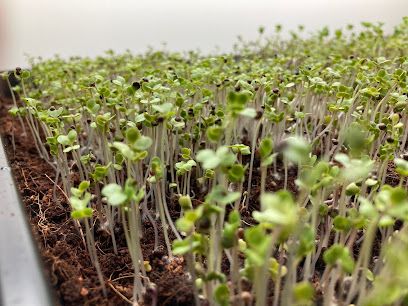
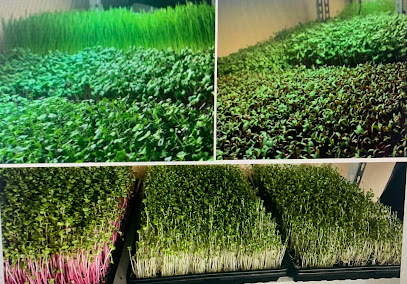
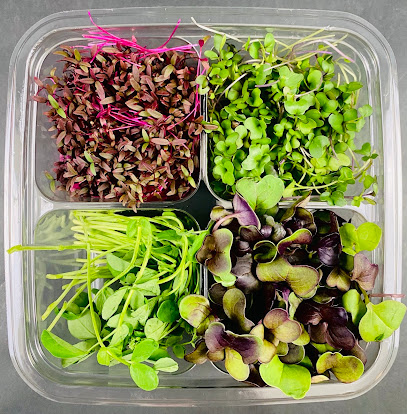
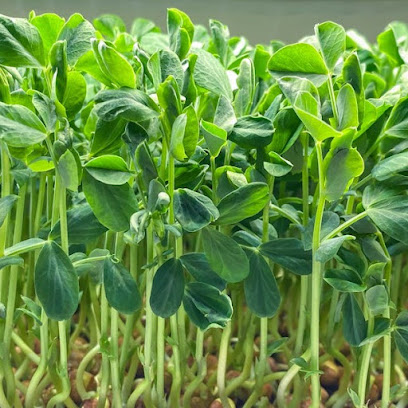
Virginia’s microgreen sector has transitioned from a niche hobbyist market to a critical component of the state’s local food supply chain. With 15 verified operations currently driving the market, the density of producers reveals a shift toward hyper-local distribution. These farms bridge the gap between traditional agricultural heritage and modern, high-density food production. By focusing on rapid-cycle crops like radish, sunflower, and pea shoots, these growers provide year-round nutrition, bypassing the seasonal limitations of Virginia’s traditional field crops.
The market is currently fragmented but high-performing. Ratings for established players like Han's Greens, EssentialRVA Microgreens, and Little Green Garden Microgreens consistently hit the 5.0 mark, indicating high standards in sanitation, shelf-life, and customer service. Unlike large-scale industrial produce, these micro-operations focus on the 'farm-to-fork' speed, often delivering product within 24 hours of harvest. This reduction in the supply chain significantly lowers the carbon footprint and increases the nutrient density of the greens reaching the consumer’s plate.
Top Cities for Fresh Greens
Urban density drives the microgreen industry. In Virginia, the concentration of farms in Roanoke, Fredericksburg, Chesapeake, Hampton, and Reston is not accidental. These cities provide the necessary infrastructure, high-end restaurant demand, and affluent consumer bases required to support premium produce.
- Roanoke: Acts as a primary hub for the Blue Ridge region, utilizing its position to serve both local urban populations and the surrounding rural communities.
- Fredericksburg & Reston: These hubs benefit from proximity to the Northern Virginia/DC metro demand, where the willingness to pay a premium for high-quality, pesticide-free greens is high.
- Chesapeake & Hampton: These coastal cities leverage high population density and a robust culinary scene that prioritizes fresh, local sourcing for seafood-heavy menus.
- Other hubs: Lake Ridge, Tuckahoe, Alexandria, West Falls Church, and East Highland Park fill the gaps, providing specialized supply to suburban markets that are often overlooked by large-scale produce wholesalers.
Virginia Climate & Indoor Farming
Virginia’s climate is classified as humid subtropical, characterized by hot, humid summers and mild winters. While this climate is excellent for traditional crops like soybeans and corn, it presents significant challenges for delicate microgreens. High humidity in the summer months creates ideal conditions for mold and pathogens, which can decimate indoor crops if environmental controls are not strictly managed.
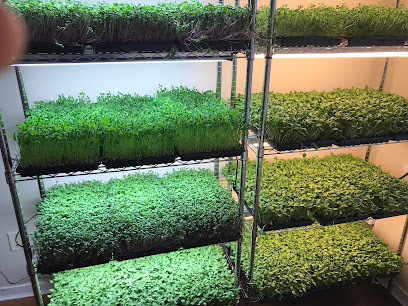
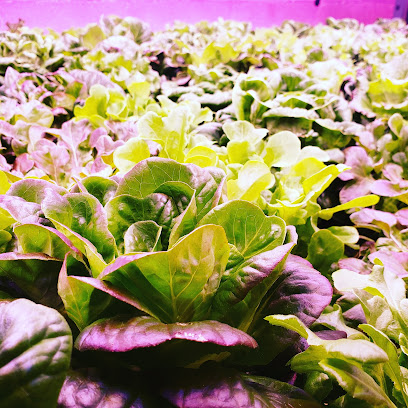
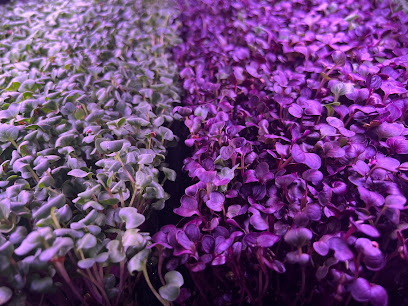
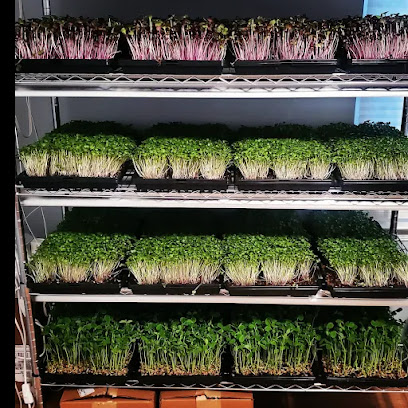
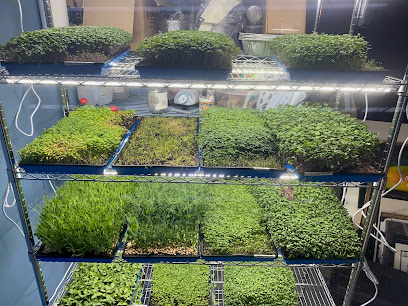
This environmental pressure is the primary driver for the adoption of controlled environment agriculture (CEA). Most of the state's top-rated farms, including Fresh Impact Farms and Everling Coastal Farm LLC, utilize vertical farming techniques. By moving production indoors, these farmers exert total control over temperature, humidity, and light cycles. This eliminates the risk of drought-related water shortages—an increasing concern in some parts of the state—and ensures that the microgreens remain free of the pests that plague open-field agriculture. Furthermore, the use of hydroponic systems allows these farms to use up to 90% less water than traditional soil-based farms, making them a sustainable solution for Virginia’s urban planning goals.
Sourcing Locally in VA
For restaurants and households looking to secure a consistent supply of microgreens, understanding the local market landscape is essential. The following entities represent the diverse range of sourcing options in Virginia:
- Direct-to-Consumer Farms: Operations like Han's Greens, EssentialRVA, Mommysmicrogreens, and Little Green Garden Microgreens offer the highest level of transparency and quality control.
- Specialized Producers: Fresh Impact Farms and Everling Coastal Farm LLC focus on production scaling, making them ideal partners for commercial accounts and restaurant supply.
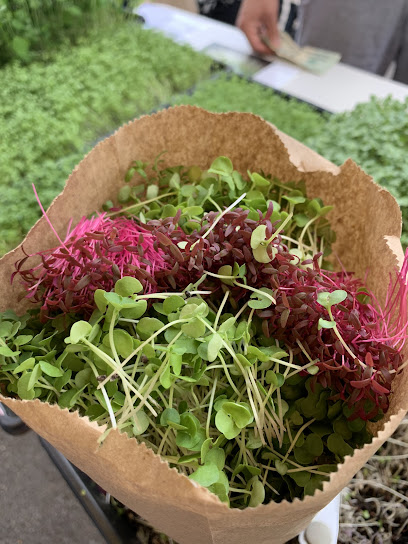
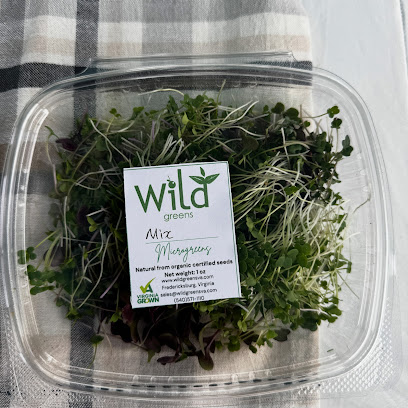
- Market-Based Sourcing: Consumers can find fresh product at venues like Rose Garden Microgreens LLC and the Wild Greens farmers' market, which provide a rotating selection of local harvests.
- Wholesale and Ag-Support: Organizations like Chesapeake Microgreens Farm and Clover's Microgreens provide the essential produce and supply chain support required for the broader industry to scale effectively.