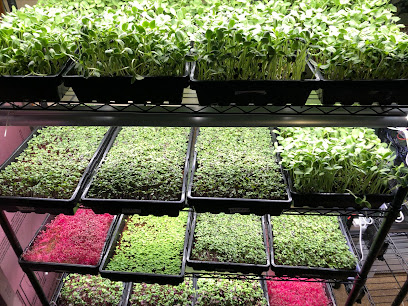
The Rise of Urban Farming in Plainfield
Urban farming and indoor cultivation are changing how Plainfield residents access fresh produce. By moving production into climate-controlled environments, growers can bypass the limitations of Vermont’s short growing season, providing nutrient-dense greens throughout the winter months. This shift toward localized food systems emphasizes sustainability, shorter supply chains, and the use of renewable energy to maintain year-round production.
Current Local Growers
The following grower currently serves the Plainfield area, focusing on soil-based, sustainable cultivation practices:
| Farm Name | Specialty | Delivery Method |
|---|
| Wellspring Greens | Organic pea, sunflower, radish, and broccoli microgreens | Direct-to-consumer, zero-waste subscription |
Why Buy Locally Grown in VT?
Vermont’s climate presents significant challenges for traditional agriculture, characterized by long, cold winters that limit outdoor growing. Indoor microgreen operations, such as those utilizing heat pumps and solar arrays in barn-based facilities, offer a consistent solution. Buying local ensures that produce does not spend days in transit, which preserves the vitamin content and flavor profile of the greens. Furthermore, local growers often utilize organic, soil-based methods that prioritize soil health and community food security, reducing the carbon footprint associated with long-distance food transport.
Popular Varieties & Culinary Uses
Microgreens are prized for their concentrated flavor and high nutrient density. Here is how to utilize the most common varieties found in Plainfield:
- Pea Shoots: Sweet and crunchy, these are excellent in stir-fries, pasta dishes, or tossed into fresh salads.
- Sunflower Shoots: These offer a nutty, mild flavor profile. They are best enjoyed raw in sandwiches, wraps, or as a vibrant garnish for soups.
- Radish Microgreens: Known for a sharp, peppery bite, these add complexity to tacos, avocado toast, or savory breakfast bowls.
- Broccoli Microgreens: Mild and versatile, these are ideal for adding a nutritional boost to smoothies or topping off roasted vegetable platters.