The Microgreens Market in Vermont
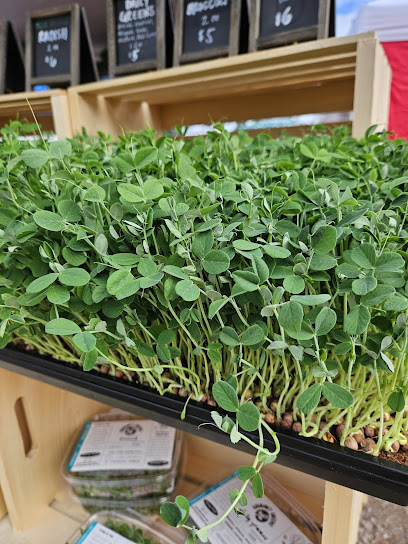
Vermont represents a unique frontier for the microgreens industry. While the state is historically synonymous with dairy and maple syrup, the demand for nutrient-dense, year-round produce is shifting the agricultural landscape. The current market is lean, characterized by high-quality, boutique-scale production. Gourmet Greens currently serves as the primary example of a verified, high-rated operation in this space. Because the state lacks a massive industrial greenhouse footprint, growers who prioritize quality over volume are capturing the attention of the local culinary scene. Microgreens require controlled environments, and the shift toward indoor vertical farming is a logical progression for Vermont producers looking to mitigate the volatility of New England growing seasons.
Top Cities for Fresh Greens
South Burlington stands out as the primary hub for urban agriculture in Vermont. This concentration is not accidental. South Burlington offers the necessary infrastructure, proximity to high-end restaurant corridors, and an educated consumer base that prioritizes farm-to-table traceability. When a farm operates in South Burlington, it gains immediate access to the largest population centers in the state, reducing the carbon footprint of transport—a key metric for Vermont consumers. Other regions of the state remain largely untapped, presenting significant opportunities for controlled environment agriculture (CEA) to fill the supply gap.
Vermont Climate & Indoor Farming
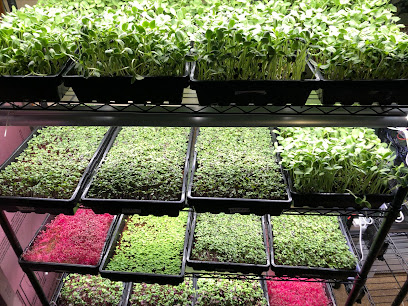
Vermont’s climate is the primary driver behind the adoption of hydroponic and vertical farming. With a short growing season characterized by long, cold winters, traditional soil-based agriculture faces severe limitations. Outdoor growing is effectively impossible for leafy greens between November and April. This environmental reality makes indoor microgreen production essential. Hydroponic systems allow growers to bypass the frost line entirely. By utilizing LED lighting and climate-controlled racks, producers like Gourmet Greens can maintain consistent harvest cycles regardless of external snow accumulation or plummeting temperatures. Water management is another factor. While Vermont is not prone to the severe droughts seen in the American West, indoor farming offers superior water efficiency through recirculating hydroponic systems. This approach minimizes waste and ensures that nutrient delivery is precise, leading to higher yields per square foot compared to conventional field methods.
Sourcing Locally in VT
For restaurants and residents looking to integrate hyper-local greens into their supply chain, the following strategies ensure the highest quality produce:
- Direct-to-Chef Partnerships: Establish relationships with local growers like Gourmet Greens to secure harvest-to-table delivery within 24 hours.
- Check for Controlled Environment Credentials: Prioritize farms that utilize vertical hydroponic or aeroponic systems, as these methods provide superior cleanliness and consistent shelf-life.
- Seasonal Availability Calendars: While indoor greens are available year-round, inquire about specific seed varieties that are rotated to match the seasonal needs of local menus.
- Verification of Growing Mediums: Ask producers about their substrate choices—organic hemp mats or coconut coir are industry standards for clean, sustainable microgreen production.
- Bulk Subscription Models: Many urban farms offer subscription services for local households, which stabilizes the grower's income and guarantees fresh, weekly harvests for the consumer.