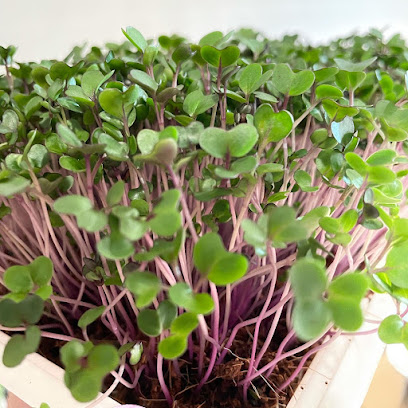
The Microgreens Market in Wisconsin
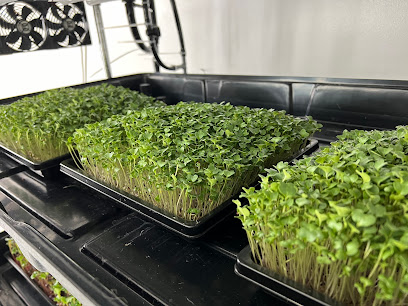
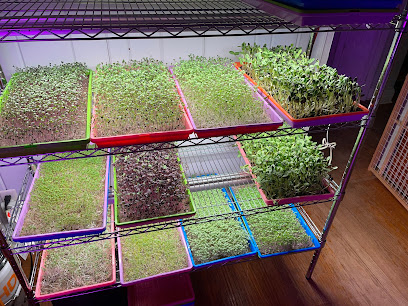
Wisconsin’s agricultural landscape is shifting. While the state remains a powerhouse for dairy and traditional row crops, a quiet revolution is occurring in climate-controlled environments. Microgreens—nutrient-dense, immature greens harvested at the cotyledon stage—have moved from niche culinary garnishes to a staple of the local food system. Our data tracks 12 verified operations across the state, ranging from boutique hydroponic setups like Grow Space Vertical Farms to specialized delivery services like Green En Vie. These producers bypass the traditional seasonality of Wisconsin’s outdoor growing window by utilizing vertical farming and controlled-environment agriculture (CEA).
The market is currently decentralized. Consumers are moving away from long-haul logistics, which often result in wilted, nutrient-degraded produce, in favor of hyper-local supply chains. Operations like SuperCharge! Foods Microgreens in Madison illustrate the viability of the urban model, maintaining a 4.8-star rating through consistent quality control. The economic benefit here is twofold: reduced carbon footprint and higher profit margins per square foot compared to traditional field farming.
Top Cities for Fresh Greens
Urban farming density in Wisconsin correlates directly with proximity to high-density consumer bases and distribution corridors. Oconomowoc and Germantown lead the state with two verified farms each. This concentration is not accidental; these cities serve as logistical bridges between the Milwaukee metro area and the broader Waukesha County region. By positioning operations in these transit-heavy zones, growers minimize delivery times to high-end restaurants and health food stores.
Other key hubs include:
- West Bend, Eau Claire, and Appleton: These cities represent the regional expansion of microgreen availability beyond the immediate Milwaukee orbit.
- New Berlin, Menomonee Falls, and Pleasant Prairie: These suburban markets are critical for the residential demand side of the industry.
- Superior: Serving as the northern anchor, this city proves that microgreen production is viable even in the state’s most challenging thermal climates.
The presence of specialized entities like Rockstar Microgreens, which functions as a health food store, demonstrates that the infrastructure for retail distribution is maturing alongside production capabilities.
Wisconsin Climate & Indoor Farming
Wisconsin’s climate is the primary driver for the adoption of indoor vertical farming. With a growing season often limited by harsh winters and a short frost-free window, field farming for delicate greens is impractical for 6-8 months of the year. Hydroponic and vertical farming methods allow producers like Lake Five Farm and Pure Farms to maintain a 365-day harvest cycle.
Water management is another crucial factor. Wisconsin is blessed with abundant groundwater, but indoor farming offers a significant advantage: recirculating hydroponic systems. These systems use up to 90% less water than traditional soil-based irrigation. For an urban farmer, this efficiency translates into lower utility costs and a more sustainable operation that can thrive in municipal settings where space is at a premium. Furthermore, by eliminating the need for pesticides and herbicides—common requirements in large-scale field agriculture—these indoor farms provide a cleaner product, which aligns with the growing demand for organic-adjacent produce in the Wisconsin health sector.
Sourcing Locally in WI
For restaurants, grocery buyers, and residents looking to source fresh, nutrient-dense microgreens, the current market offers several pathways to verify quality and freshness. Use these criteria when vetting a local supplier:
- Harvest-to-Delivery Window: Look for farms like Milwaukee Microgreens or Ozaukee Microgreens that offer harvest-on-demand services. Ideally, the greens should be cut no more than 24 hours before they reach your kitchen.
- Method of Production: Prioritize farms that utilize organic growing media and non-GMO seeds. Ask if they use hydroponic, aeroponic, or soil-based trays.
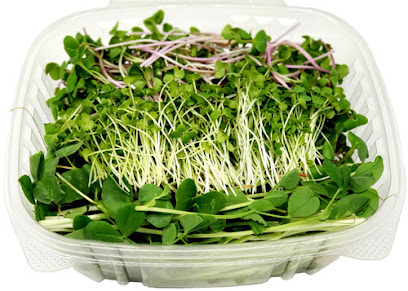
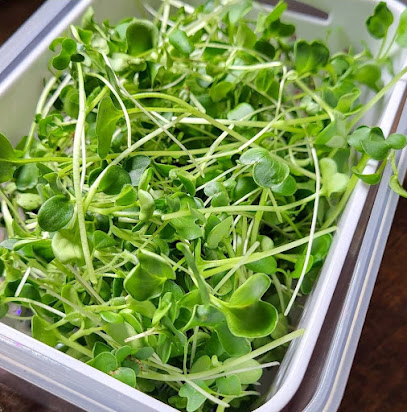
- Variety Availability: A professional farm should offer more than just basic sunflower shoots. Look for radish, pea shoots, amaranth, and cilantro varieties to add depth to your culinary applications.
- Certification and Hygiene: Even for small-scale farms like Foxtail Produce LLC or Nutritious Blooms Microgreens, check for adherence to basic food safety standards, particularly regarding sanitation in the grow room.
- Delivery Radius: If you are located in the vicinity of Oconomowoc or Germantown, leverage the local hubs to save on transit costs and ensure the product remains in a temperature-controlled environment for the duration of the trip.

 S
S