The Rise of Urban Farming in Merton
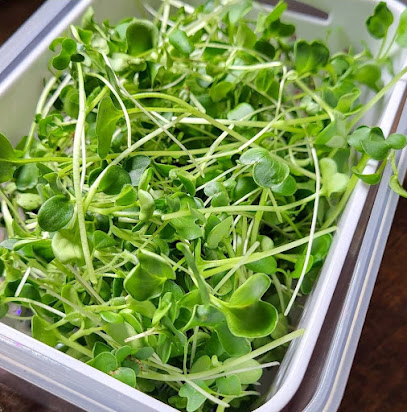
Merton is seeing a shift toward localized food production, with growers increasingly focusing on high-density, nutrient-dense crops. Urban farming in this region centers on indoor and controlled-environment agriculture, allowing for year-round production of microgreens regardless of Wisconsin's volatile seasonal shifts. By utilizing vertical growing methods and sustainable soil-based practices, local producers are reducing the carbon footprint associated with long-distance produce transportation.
Current Local Growers
The following operation represents the current landscape for microgreen availability in the Merton area:
| Farm Name | Specialty | Practices |
|---|
| Lake Five Farm | Organic microgreens, mushrooms, and seasonal produce | Soil-based, sustainable, no pesticides |
Lake Five Farm, located in nearby Colgate, serves as a primary example of sustainable agriculture in the region. Their model prioritizes soil health and waste reduction through the use of reusable trays and a grow-to-order system.
Why Buy Locally Grown in WI?
Wisconsin’s climate presents significant challenges for traditional outdoor agriculture, particularly during the winter months. Buying locally grown microgreens offers a distinct advantage: freshness. Because these greens are harvested and delivered within a short window, they retain higher concentrations of vitamins and minerals compared to store-bought varieties that may spend days in transit. Additionally, local growers often avoid synthetic pesticides and herbicides, providing a cleaner product for Merton families.
Popular Varieties & Culinary Uses
Microgreens are prized for their intense flavor and nutritional density. Common varieties found in the Merton market include:
- Pea Shoots: Sweet and crunchy, these are excellent in salads or as a base for stir-fries.
- Sunflower Shoots: Nutty and hearty, they serve as a perfect standalone salad green or a topping for avocado toast.
- Radish: Known for their peppery kick, these add complexity to tacos, soups, and sandwiches.
These greens should be stored in the refrigerator and consumed shortly after purchase to maintain their texture and nutritional integrity.