The Mushroom Market in Arkansas
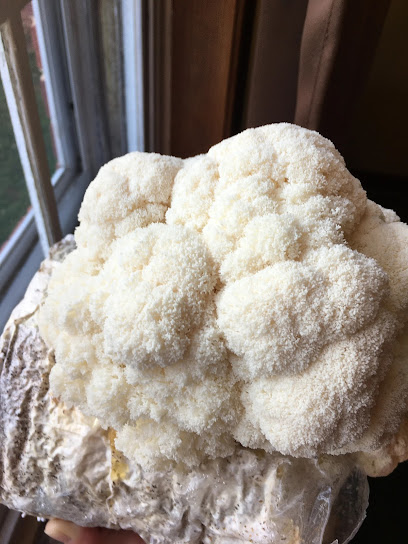
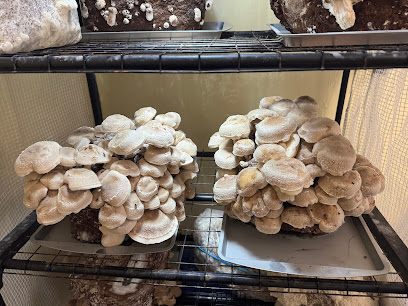
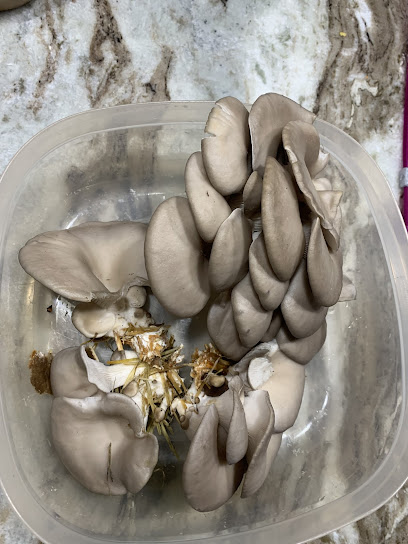
The gourmet mushroom sector in Arkansas is currently in a phase of localized expansion. With six verified operations serving the state, the market remains niche but highly specialized. Unlike commodity row crops that dominate the Delta region, mushroom production requires precision environmental control and direct-to-consumer logistics. High-value varieties such as Oyster (Pleurotus ostreatus), Lion's Mane (Hericium erinaceus), and Shiitake are driving the demand in urban centers. Current data indicates that top-rated farms like Lost In The Ozarks, The Perfect Mushroom, and Cook's Mushrooms set the quality benchmark, maintaining perfect consumer ratings while scaling production to meet restaurant and farmers market demand.
Top Cities for Gourmet Fungi
Mushroom cultivation in Arkansas is geographically clustered around population centers and logistical nodes. Jonesboro currently leads the state with two verified farms, likely due to its proximity to the agricultural research infrastructure of the region and access to local distribution channels. The concentration in Jonesboro suggests a viable market for Crowleys Ridge Mushroom Farm, which utilizes the area's unique topography to support its agricultural production and service models. Other key hubs include:
- Springdale: A critical node for the Northwest Arkansas (NWA) region, where high-end culinary demand drives growth.
- Bentonville: Benefits from a wealthy consumer base and a culture that prioritizes local, organic food sources.
- Lead Hill: Represents the rural, foraging-adjacent segment of the market, capitalizing on the Ozark landscape.
- Ward: Acts as a central-state distribution point, bridging the gap between rural production and the Little Rock metropolitan area.
The distribution of these six farms across five cities indicates a decentralized market. Growers are strategically positioning themselves near local farmers' markets, which serve as the primary point of sale for fresh, non-preserved fungi.
Arkansas Climate & Mushroom Cultivation
Arkansas presents a complex environment for mycologists. The state's humid subtropical climate (Cfa in the Köppen classification) offers high natural moisture levels, which can be advantageous for outdoor log-cultivation of Shiitake. However, the extreme heat during summer months requires sophisticated climate control for indoor fruiting chambers. Indoor growers must invest heavily in HVAC systems, humidifiers, and HEPA filtration to maintain the 85-95% humidity levels required for optimal mycelium colonization and pinning.
The Ozark Plateau and the Ouachita Mountains provide a rich, diverse forest canopy consisting of oak, hickory, and maple. This abundance of hardwood provides the ideal substrate for specialized growers. For indoor operations, the ability to regulate CO2 levels is the primary barrier to entry. Arkansas growers are increasingly using automated environmental controllers to mitigate the volatile temperature swings typical of the state's seasonal transitions. This technical shift from simple outdoor patches to controlled environment agriculture (CEA) is what distinguishes the professional, high-rated farms from casual hobbyist producers.
Sourcing Locally in AR
For culinary professionals and home cooks seeking the highest quality local product, the following strategies apply:
- Direct-to-Farm Procurement: Establish recurring orders with high-rated farms like Lost In The Ozarks. Direct contact ensures the product is harvested at peak maturity.
- Farmers Market Circuits: Most of the six verified farms utilize local Saturday markets in Jonesboro and NWA to distribute stock. This is the most reliable way to secure specific medicinal varieties like Lion's Mane.
- Agricultural Service Partnerships: Farms like Crowleys Ridge Mushroom Farm that provide agricultural services may offer substrate blocks or spawn to local growers, which is an excellent starting point for those looking to start their own micro-farm.
- Restaurant Supply Chains: Chefs in Bentonville and Springdale should inquire about weekly harvest logs from local producers. Due to the short shelf life of gourmet mushrooms, local sourcing is superior to long-distance distribution.