Agricultural production
Crowleys Ridge Mushroom Farm
📍1023 Co Rd 702, Jonesboro, AR 72401, USA
No website listed
Showing 2 organic producers near you
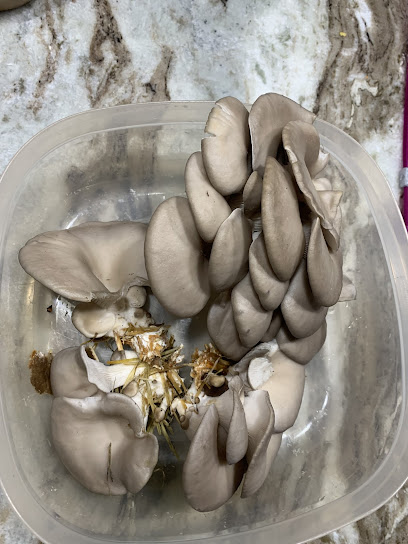
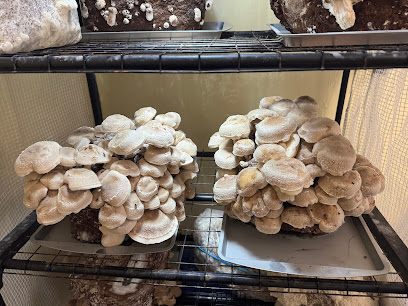
Jonesboro maintains a limited but specialized market for locally grown fungi. Currently, the landscape identifies two primary entities operating under the Crowleys Ridge Mushroom Farm banner. Because the region experiences extreme seasonal shifts—ranging from humid, stifling summers to dry, cold winters—indoor cultivation is the standard for local growers. Consistent humidity levels and precise temperature control in fruiting chambers are mandatory to produce high-quality gourmet mushrooms like Oyster or Shiitake. Without these controlled environments, the Arkansas climate would fluctuate too wildly for reliable harvest cycles.
| Farm Name | Rating | Specialization | Type |
|---|---|---|---|
| Crowleys Ridge Mushroom Farm | N/A | General Mushroom Farm | Agricultural production |
| Crowleys Ridge Mushroom Farm | N/A | General Mushroom Farm | Agricultural service |
Crowleys Ridge Mushroom Farm (Agricultural Production) serves as the primary cultivation point for regional supply. As a production-focused entity, this farm likely prioritizes bulk yields of common gourmet varieties, making them a potential source for local restaurants or bulk buyers seeking fresh harvests rather than retail-packaged goods.
Crowleys Ridge Mushroom Farm (Agricultural Service) functions as the logistical or consultative arm of the operation. This classification suggests they may offer technical expertise, substrate supplies, or distribution services rather than just raw product. For local buyers, this division indicates a more professionalized approach to mushroom cultivation, potentially providing resources for home growers or commercial partners.
Gourmet and medicinal mushrooms offer significant nutritional profiles. Oyster mushrooms, for instance, contain high levels of ergothioneine, an antioxidant that reduces inflammation. Shiitake mushrooms provide lentinan, a compound studied for its immune-boosting potential. Lion’s Mane has gained popularity for its purported neuroprotective properties, specifically the stimulation of Nerve Growth Factor (NGF). Cordyceps are frequently utilized by athletes for their supposed ability to increase ATP production and improve oxygen utilization.
Buying local matters because mushrooms are highly perishable. Commercial mushrooms sold in grocery stores often travel thousands of miles, losing moisture and texture in the process. A locally grown mushroom harvested within 24 hours of purchase retains the delicate cell wall structure and the specific volatile aromatic compounds that define gourmet flavor. When you purchase from a Jonesboro-based grower, you bypass the cold-chain degradation that turns high-quality fungi into rubbery, flavorless products.
A: The lack of public ratings often indicates that these farms operate on a B2B (business-to-business) model, supplying local restaurants or farmers' markets directly rather than relying on public retail reviews.
A: Production farms focus on the physical growing and harvesting of the crop. Agricultural service farms provide the infrastructure, such as substrate, technical advice, or distribution, to support the cultivation process.
A: Arkansas's high humidity can lead to mold and bacterial growth if not managed. Local growers use indoor fruiting chambers to bypass external weather, ensuring that temperature and CO2 levels remain optimal for mushroom development regardless of the season.