
💬 28 reviews⭐ 5
Showing 1 organic producers near you
Payson’s high-elevation climate offers a distinct agricultural environment. While traditional field crops face challenges from the region's arid air and temperature fluctuations, a shift toward indoor mushroom cultivation is gaining momentum. Gourmet and medicinal fungi require precise, controlled environments that operate independently of seasonal outdoor weather. This resilience makes mushroom farming a perfect fit for the local economy. Growers in the area leverage indoor facilities to provide fresh, nutrient-dense produce to the community year-round. By focusing on controlled humidity and ambient temperature regulation, local farms bypass the harsh Arizona sun, producing harvests that rival those found in coastal culinary hubs. This model creates a hyper-local food supply chain that reduces the carbon footprint associated with shipping delicate gourmet fungi from distant states.
The local agricultural sector in Payson is currently supported by specialized producers dedicated to high-quality, gourmet, and medicinal mushroom varieties. The table below highlights the established presence in the community.
| Farm Name | Primary Focus |
|---|---|
| Arizona Mushroom Company | Local gourmet and medicinal mushroom production |
As the interest in sustainable, locally-sourced nutrition continues to climb, these farms serve as the foundation for the region’s growing culinary diversity.
Buying mushrooms grown in Arizona offers significant advantages over purchasing store-bought options that have traveled thousands of miles. Mushrooms are fragile and have a high moisture content, meaning they degrade rapidly once harvested. When you purchase from a local producer like Arizona Mushroom Company, you are securing a product harvested within hours or days, not weeks. Freshness dictates flavor and texture. Store-bought mushrooms often arrive rubbery or discolored due to oxidation during transport. Local fungi maintain a firm, crisp structure and a deeper, more pronounced earthy profile. Furthermore, the indoor growing systems used locally are designed to thrive in the specific humidity levels of the region, ensuring consistent quality. By purchasing locally, residents support the regional food economy and receive produce at its peak nutritional value.
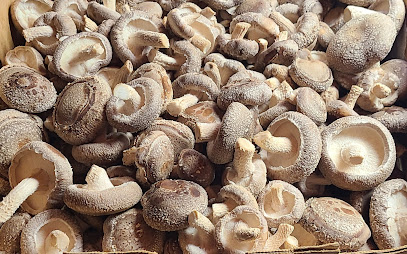
The mushroom market in Payson spans both culinary delights and wellness-focused supplements. Understanding how to integrate these into a daily diet enhances both health and home cooking. Oyster mushrooms, known for their delicate, velvety texture and mild flavor, serve as a versatile protein substitute in stir-fries and pasta. Shiitake mushrooms bring a robust, smoky umami that excels in broths, soups, and grilled applications. For those looking for wellness benefits, Lion’s Mane is gaining popularity for its reported neuroprotective properties, often sautéed in butter or dried for tea blends. Cordyceps, frequently valued for energy support, are commonly found in powdered form or tinctures. When storing these mushrooms at home, maintain airflow by keeping them in paper bags in the refrigerator rather than plastic, which traps moisture and accelerates spoilage. Consuming them within 3-5 days ensures the best results for both flavor and medicinal potency.
A: You can find high-quality, locally grown mushrooms through established producers such as the Arizona Mushroom Company. These growers prioritize freshness, often supplying local markets and community outlets. Checking the producer's website or contacting them directly is the most reliable way to learn about current stock, seasonal offerings, and pickup availability for your gourmet culinary needs.
A: Gourmet mushrooms, such as Oysters and Shiitakes, are primarily prized for their culinary versatility, texture, and umami flavor profile. Medicinal mushrooms, like Lion’s Mane or Cordyceps, are categorized by their bioactive compounds and health-supporting properties. While some varieties overlap, medicinal mushrooms are often consumed for functional wellness, such as cognitive support or energy regulation, while gourmet varieties are staples in nutritious, balanced home cooking.
A: Arizona’s climate is characterized by low humidity and extreme temperature swings, which are detrimental to most fungal species. Indoor cultivation allows growers to maintain the high humidity and stable, cool temperatures necessary for mushrooms to fruit properly. By controlling the environment inside specialized facilities, farmers can prevent the dehydration that would occur outdoors, ensuring a consistent, high-quality crop throughout the entire year.
A: To maintain freshness, store your mushrooms in a paper bag in the main compartment of your refrigerator. Paper allows the mushrooms to breathe, preventing the moisture buildup that causes sliminess in plastic containers. Avoid storing them near strong-smelling foods, as mushrooms act like sponges and will absorb surrounding odors. Using them within 3 to 5 days of purchase will ensure you experience their peak flavor and texture.
A: Yes, commercially grown gourmet mushrooms produced by local farms like the Arizona Mushroom Company are safe for consumption. These farms operate under controlled conditions, using sterilized substrates to prevent contamination. Unlike wild-foraged mushrooms, which can be misidentified or contaminated by soil pollutants, professionally grown indoor mushrooms are cultivated with rigorous food safety standards, ensuring they are free from pests and toxins.