The Mushroom Market in Arizona
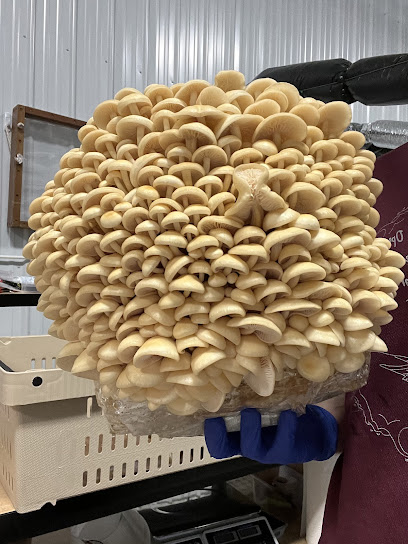
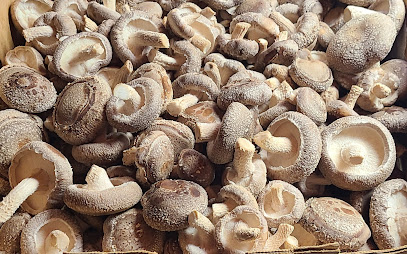
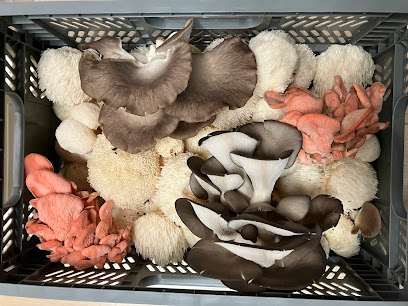
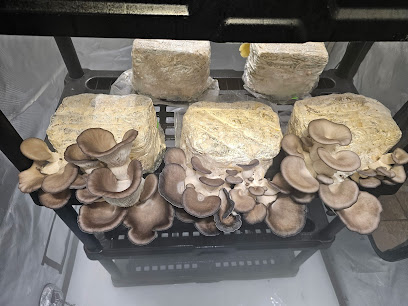
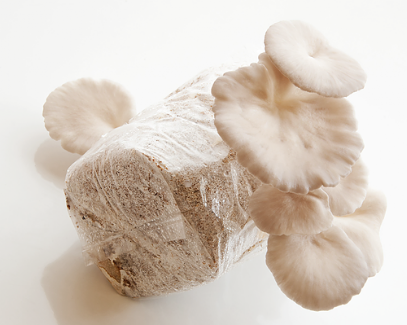
The Arizona mushroom market has shifted from a niche hobbyist landscape to a professionalized sector of specialty agriculture. With 12 verified farms currently operating, the state is seeing a surge in demand for gourmet fungi like Oyster, Lion's Mane, and Shiitake. While the state's dry, arid environment poses significant challenges for traditional open-air farming, indoor cultivation has emerged as the primary solution. These operations utilize sophisticated climate-controlled fruiting chambers to replicate the high-humidity, cool-temperature environments required for mycelial colonization and fruiting. Despite the lack of naturally occurring forest-floor substrates found in wetter climates, the Arizona industry is thriving by focusing on substrate supplementation and precision environmental engineering.
Top Cities for Gourmet Fungi
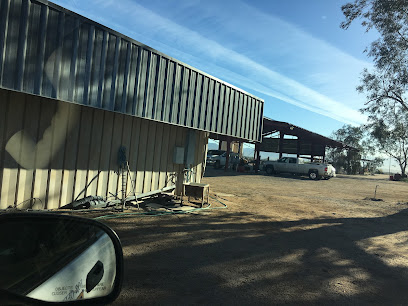
Mushroom farming in Arizona is heavily concentrated in urban centers where supply chain logistics are streamlined. Scottsdale and Phoenix lead the state, each hosting two specialized farms. This concentration is no accident. High-end culinary demand in the Scottsdale-Phoenix metropolitan area drives the need for fresh, locally grown produce that can be delivered to high-end restaurants within hours of harvest. Other key nodes include Payson, Prescott, Fort Mohave, Tucson, Glendale, Marana, Laveen Village, and Chino Valley. Each of these cities serves as a regional hub, allowing growers to bypass the fragility of shipping fresh mushrooms over long distances. For instance, growers in Chino Valley and Prescott leverage higher elevations and slightly cooler ambient temperatures to stabilize their indoor microclimates, while Phoenix-based farms rely entirely on robust HVAC systems to counteract the intense heat of the Sonoran Desert.
Arizona Climate & Mushroom Cultivation
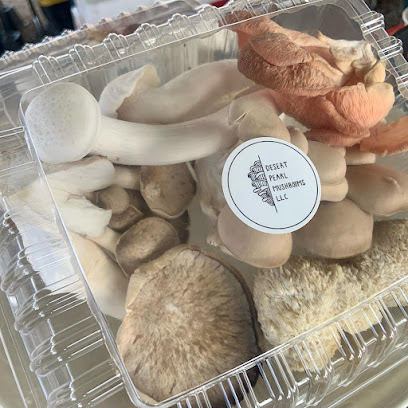
Arizona’s climate is defined by extreme heat and low relative humidity, factors that are traditionally antithetical to mushroom cultivation. In the Pacific Northwest or the Appalachian region, growers can often rely on ambient humidity. In Arizona, the cost of entry is higher because of the necessary investment in humidifiers, evaporative cooling systems, and insulated growing rooms. Successful farms like Arizona Mushroom Company, BKW Farms Inc, and Desert Pearl Mushrooms have mastered the art of moisture retention within their indoor facilities. By utilizing HEPA-filtered air and automated misting systems, these growers maintain the specific vapor pressure deficit (VPD) required to prevent mushrooms from drying out before harvest. Furthermore, the state's geography impacts the sourcing of agricultural waste products used for substrate. Many local farms repurpose cotton gin trash, straw, or wood chips sourced from regional agricultural operations, closing the loop on local waste streams and turning them into high-value gourmet crops.
Sourcing Locally in AZ
For restaurants, chefs, and retail consumers looking to integrate local mushrooms into their supply chains, the following farms represent the current state of the industry. Direct-to-consumer sales and farm-to-table partnerships are common practices among these verified producers:
- Arizona Mushroom Company: A top-rated producer focusing on high-quality gourmet yields.
- BKW Farms Inc: A leader in agricultural consistency and professional production standards.
- Phoenix Mushroom Farm: Strategically positioned in the capital to serve the urban food scene.
- Desert Pearl Mushrooms: Known for superior cultivation techniques and reliable harvests.
- Saint Mary's Mushrooms: A dedicated operation focusing on consistent, high-grade output.
- Hypha Foods: A key player in the regional market with a strong reputation.
- Bullhead Mushrooms: Providing fresh access for the Fort Mohave region.
- Sun Valley harvest dba phx fungi: A significant urban producer in the Phoenix metro area.
- Southwest Mushrooms: A food manufacturing-focused entity that integrates mushroom products into the local diet.
- Fungi-licious! AZ Mushroom Farm: A local grower dedicated to community-based distribution.
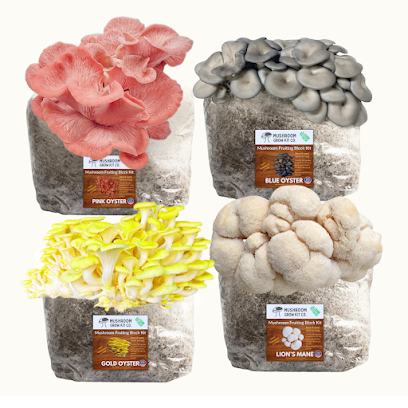
- Mushroom Grow Kit Co.: Focused on education and home-scale production, expanding the local mycology footprint.
- Myco Kit: A specialized producer contributing to the state's growing supply chain.