The Rise of Mushroom Farming in Prescott
Prescott’s agricultural landscape is undergoing a significant transformation. While traditional farming in Arizona often contends with arid soil and unpredictable water access, a new wave of producers is shifting focus toward high-tech indoor cultivation. This transition is most visible in the gourmet mushroom sector. By utilizing climate-controlled environments, local operations bypass the limitations of the high-desert climate. Growers are now providing a steady supply of culinary and medicinal fungi to markets across the Southwest, including Phoenix, Los Angeles, and Las Vegas.
The shift towards controlled environment agriculture allows for the precision cultivation of delicate species that struggle in standard garden plots. Because mushrooms thrive in specific humidity and temperature ranges, indoor labs and fruiting chambers create a consistent product that is superior to long-haul shipments. This technical approach ensures that chefs and home cooks receive fungi with optimal texture and shelf life, minimizing the spoilage that often occurs during cross-country logistics.
Current Local Growers
The local sector is defined by producers who prioritize technical precision and supply chain integrity. Growers like Hypha Foods represent the intersection of advanced laboratory science and artisanal cultivation.
| Farm Name | Primary Focus | Operational Model |
|---|
| Hypha Foods | Gourmet and medicinal fungi | Vertically integrated lab-to-table distribution |
Hypha Foods operates a sophisticated infrastructure centered on proprietary territorial analysis and climate-controlled fruiting. Their model is not just limited to internal cultivation; they manage a network of elite professional foragers to ensure seasonal availability. This combined approach allows them to supply executive chefs and upscale restaurants while maintaining the consistency required for high-end culinary applications.
Why Buy Locally Grown in AZ?
Arizona’s climate poses unique challenges for food logistics. High summer heat often degrades the quality of fresh produce during transport. When you purchase mushrooms cultivated in Prescott, you are cutting out days of warehouse storage and climate fluctuations. Fungi are highly perishable, and the degradation of cellular structure begins almost immediately after harvest. Local, indoor-grown mushrooms arrive at your doorstep in peak condition, with the firm texture and concentrated flavor profiles that define gourmet quality.
Indoor farming also utilizes vertical space, which is critical for urban and semi-urban planning. By growing upward rather than outward, producers reduce the physical footprint of their operations while increasing yields. This method requires a fraction of the water used in traditional field crops, making it a sustainable choice for Arizona’s drought-prone environment.
Popular Varieties & Culinary Uses
Modern growers in the region are expanding beyond basic button mushrooms. Demand is rising for functional and culinary fungi, each requiring specific conditions to develop their distinct properties.
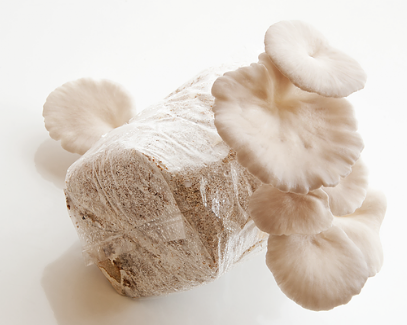
- Oyster Mushrooms: These are prized for their velvety texture and ability to absorb sauces. They work exceptionally well in stir-fries and pasta dishes.
- Shiitake: A staple for depth of flavor. Their dense, meaty texture makes them a perfect substitute for beef in vegetarian preparations.
- Lion’s Mane: Known for its brain-boosting properties and seafood-like flavor. When shredded and seared, it creates a texture remarkably similar to crab meat.
- Cordyceps: Primarily utilized in medicinal applications, these are often incorporated into tinctures, teas, or wellness-focused broths for their reported energy-boosting benefits.
For home consumers, these mushrooms offer more than just aesthetic value. They act as nutritional powerhouses. By incorporating locally grown, fresh specimens into your daily rotation, you benefit from the peak bio-availability of their natural compounds. Whether you are searing them with garlic and butter or extracting their medicinal qualities, fresh is always superior to the dried, mass-market alternatives found in standard retail chains.