The Rise of Mushroom Farming in Belmont
Belmont is seeing a quiet evolution in local food production. As residents prioritize transparency in their food sources, urban agriculture is shifting away from traditional row crops toward the highly controlled, vertical potential of mushroom cultivation. Mushrooms thrive in environments where traditional plants fail because they do not require sunlight. Instead, they need precise control over temperature, humidity, and airflow. This makes mushroom farming a perfect fit for Belmont's urban footprint, where maximizing small indoor spaces is a necessity. Growers are now turning garages, shipping containers, and small climate-controlled rooms into high-yield production hubs for gourmet and medicinal fungi. This shift provides residents with access to super-fresh produce that avoids the supply chain degradation common with long-distance shipping.
Current Local Growers
The local agricultural landscape in Belmont features professional expertise dedicated to high-value mycology. Below is a breakdown of the current key player in the region.
| Name | Focus | Key Services |
|---|
| California Truffle Orchards | High-Value Truffle Cultivation | Orchard management, site assessment, inoculated seedlings, harvest services. |
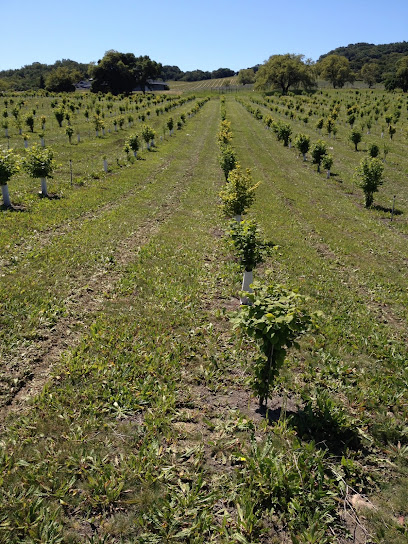
California Truffle Orchards stands out by bridging the gap between scientific mycology and commercial arboriculture. They specialize in Tuber melanosporum, managing the lifecycle of truffières through rigorous technical oversight. Their model incorporates DNA-based root analysis and professional harvest teams, providing a blueprint for how localized, professionalized mycology can elevate regional agriculture.
Why Buy Locally Grown in CA?
California’s climate presents a challenge for traditional farming, but a massive advantage for indoor mushroom growers. While our outdoor environment is often prone to drought and variable soil conditions, mushroom cultivation is insulated from these variables. Locally grown mushrooms reach the consumer within hours of harvest, rather than days. This is critical for flavor profiles and nutritional density. Mushrooms are delicate, high-moisture organisms. When transported over long distances, they lose structural integrity, develop off-flavors, and degrade in texture. By keeping production local, Belmont residents ensure that their gourmet varieties, like Lion’s Mane or Shiitake, retain their firm texture and complex aromatic compounds. Local cultivation also allows growers to customize substrate materials—often utilizing agricultural byproducts—which creates a circular economy right here in the Bay Area.
Popular Varieties & Culinary Uses
Understanding which mushrooms to choose can transform your home cooking and wellness routine. Gourmet varieties currently popular in California include Oyster, Shiitake, and Lion’s Mane. Oyster mushrooms are incredibly versatile; their delicate, velvety texture makes them perfect for quick sautés, soups, or as a meat substitute in tacos. Shiitake mushrooms bring a deep, savory umami punch to stir-fries and pasta sauces. Lion’s Mane, increasingly sought after for its potential cognitive benefits, has a texture remarkably similar to crab or lobster. When pan-seared until golden brown, it offers a sophisticated, meaty bite. For those looking at medicinal applications, Cordyceps are a standout. Often consumed as a powder or extract, they are popular among athletes and wellness enthusiasts for their purported energy-boosting properties. Whether you are aiming for a culinary upgrade or a natural wellness boost, the key is the 'harvest-to-table' timeline. Always store mushrooms in paper bags in your refrigerator to allow them to breathe, avoiding the excess moisture that causes spoilage. By supporting local growers who prioritize these handling standards, you guarantee a superior product that honors the complexity of the fungi themselves.