The Mushroom Market in California
California represents a unique intersection of high-end culinary demand and advanced mycological research. With 46 verified farms distributed across 40 cities, the state supports a tiered supply chain ranging from boutique artisanal growers to large-scale commercial suppliers. The market is currently driven by a shift toward functional, medicinal-grade fungi and a demand for ultra-fresh, hyper-local produce that minimizes transport-related degradation. Retailers like Far West Fungi and wholesalers like Monterey Mushrooms illustrate the bifurcation of the industry, serving both high-end restaurant kitchens and broader consumer markets.
Top Cities for Gourmet Fungi
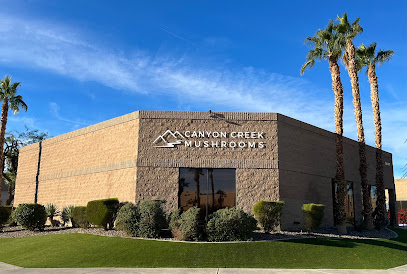
Concentration of mushroom farms in California is not uniform. Geography and climate dictate the viability of operations. Arcata leads the state with three dedicated farms, benefiting from the specific coastal humidity of the North Coast which reduces the energy costs associated with maintaining high-fruiting humidity in indoor chambers. Other hubs, including Sebastopol like Sebastopol such as Sebastopol, Redding, Fresno, and San Juan Bautista host two farms each. These cities function as regional distribution nodes. The concentration in areas like Arcata suggests that growers are leveraging natural ambient moisture, whereas farms in drier regions like Bakersfield or Palm Desert must rely heavily on closed-loop, high-tech climate control systems to sustain production. The proximity of farms like Canyon Creek Mushrooms and Santa Cruz Mushrooms to major urban centers allows for rapid supply cycles, which is critical for fungi that lose quality within 48 to 72 hours of harvest.
California Climate & Mushroom Cultivation
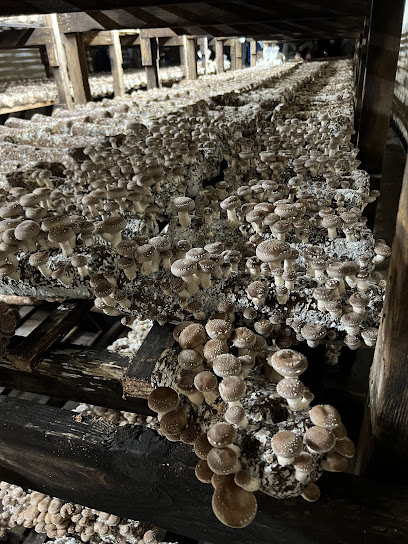
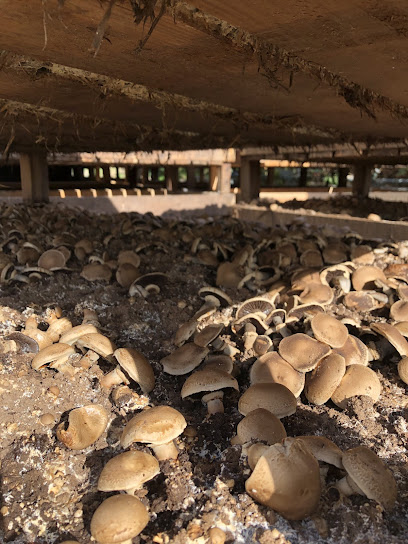
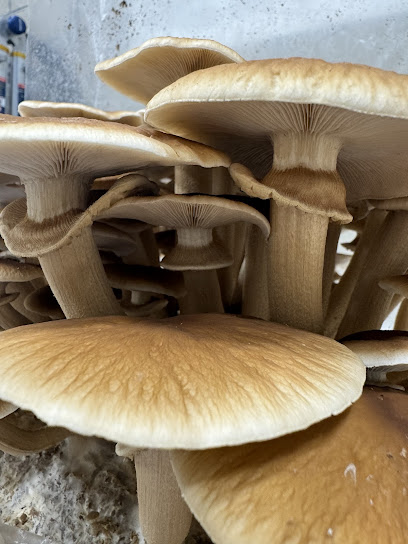
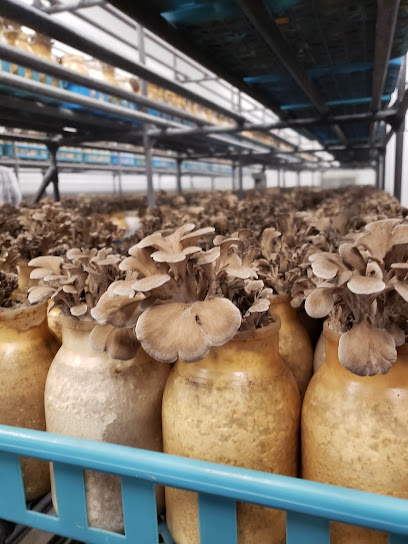
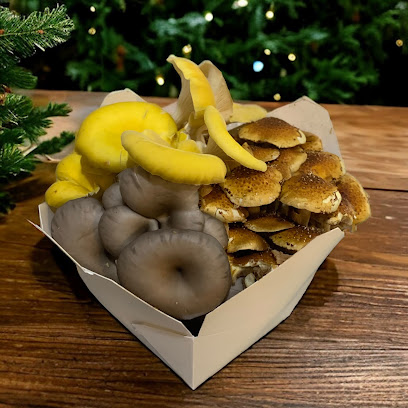
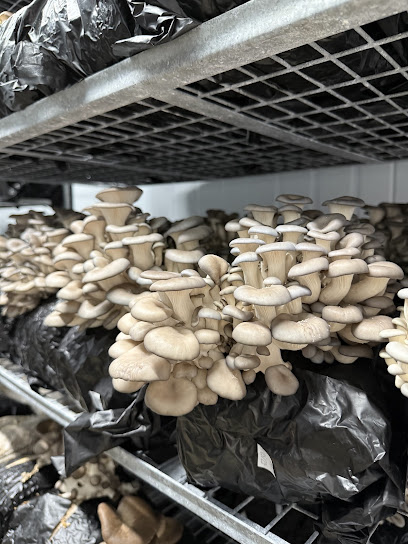
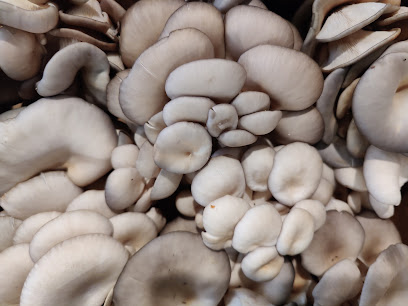
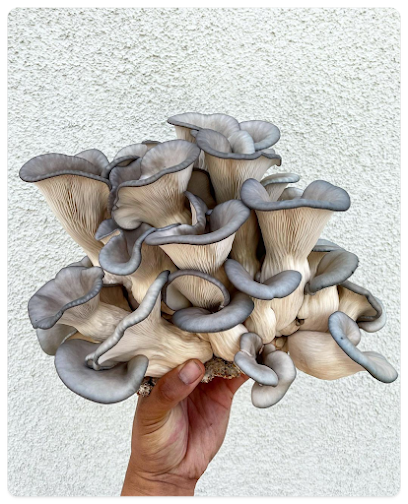
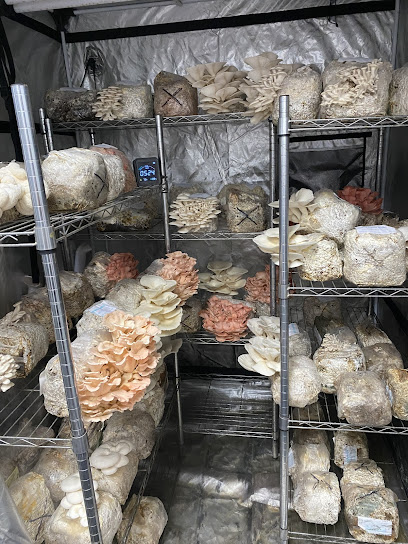
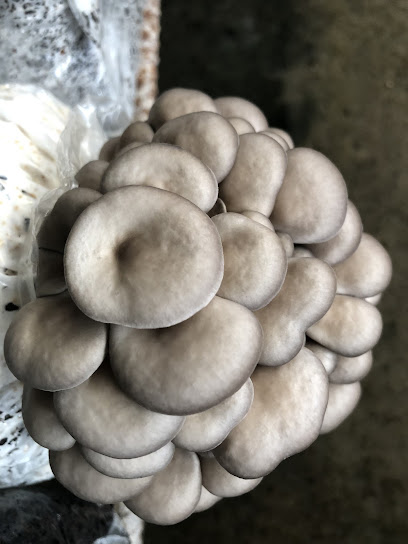
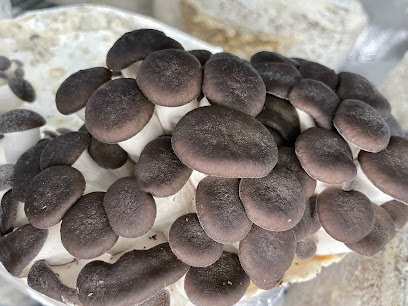
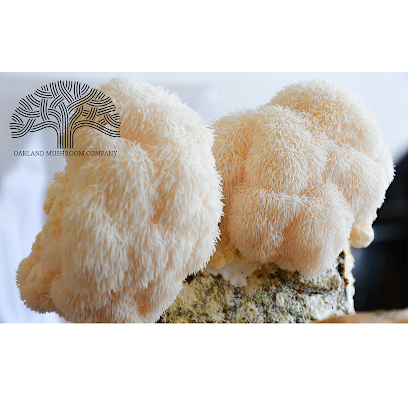
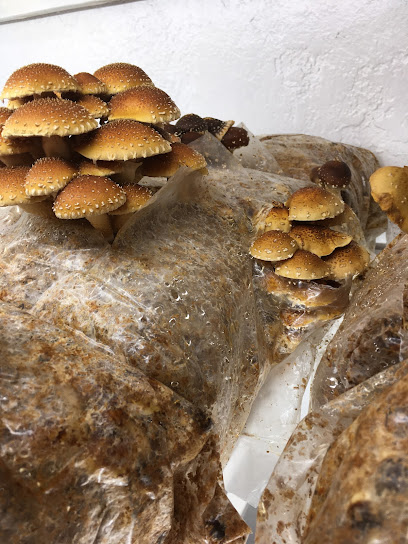
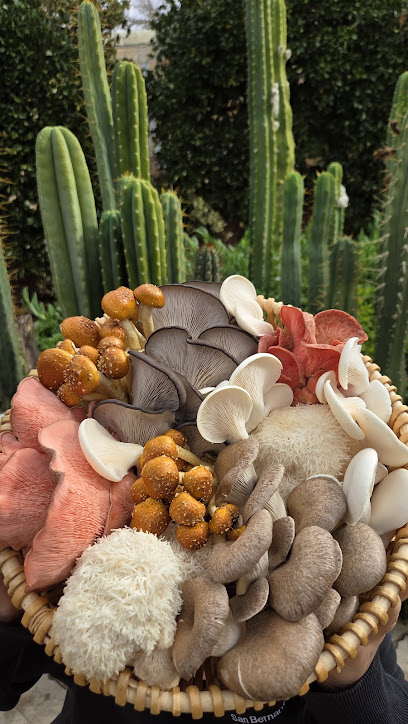
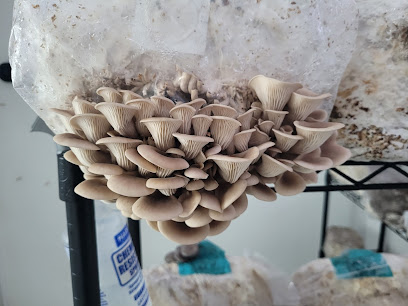
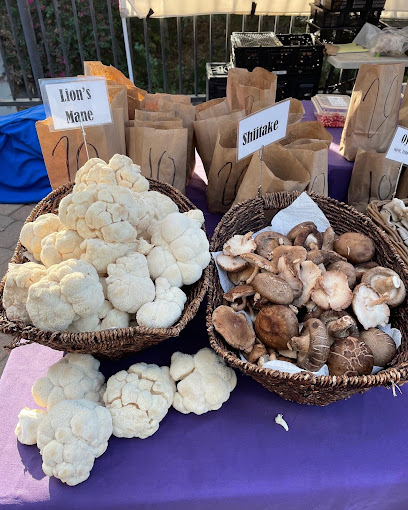
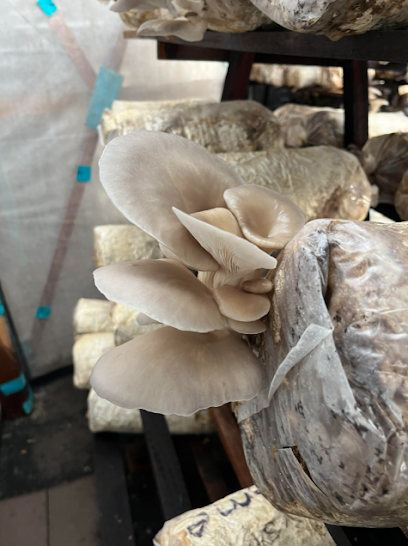
California’s climate variability is the primary driver of its mushroom cultivation strategies. The state’s diverse microclimates—ranging from the temperate, wet forests of the North Coast to the arid, inland valleys—force growers to be highly adaptable. Outdoor cultivation is largely limited by seasonal rainfall and temperature spikes, leading most commercial operations to shift toward indoor controlled environment agriculture (CEA). Indoor cultivation in California allows for year-round production of species like Oyster (Pleurotus), Lion's Mane (Hericium erinaceus), and Shiitake (Lentinula edodes). Growers utilize sophisticated fruiting chambers to replicate specific forest floor conditions, manipulating CO2 levels, humidity, and light exposure. In coastal regions, ambient air humidity assists in maintaining the necessary 80-90% moisture levels required for fruiting, whereas inland farms require robust HVAC and humidification systems to counteract the state's frequent low-humidity days. This technological investment explains the high ratings of farms like Gourmet Mushrooms Inc (Mycopia) and The CAPN's Mushroom Company, as they successfully bridge the gap between biological requirements and environmental constraints.
Sourcing Locally in CA
Consumers and culinary professionals looking to secure high-quality, locally grown fungi should prioritize farms with verified production facilities. Here are the primary avenues for sourcing:
- Direct-to-Farm Purchases: Farms like Mountain Meadow Mushroom Farms and Hidden Pearl Mushrooms offer the freshest product, often harvested within hours of sale.
- Specialized Produce Wholesalers: Entities such as Fitz Fresh Mushrooms and Monterey Mushrooms serve as the backbone for restaurant supply chains, ensuring consistent volume.
- Agricultural Service Providers: For home growers looking to enter the market, companies like Amycel/Spawn Mate provide the essential spawn and substrate technology that sustains the commercial sector.
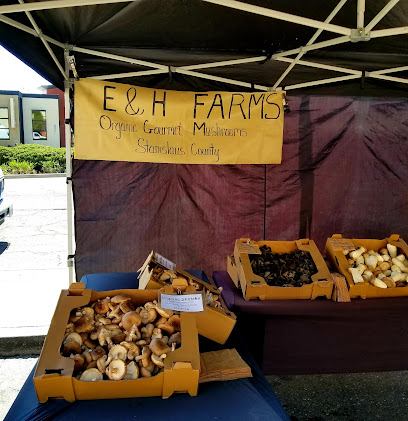
- Certified Farmers' Markets: Smaller, highly-rated farms like Fungaia Farm and Oak Grove Farms frequently utilize regional markets to reach end-consumers directly, bypassing traditional retail markups.
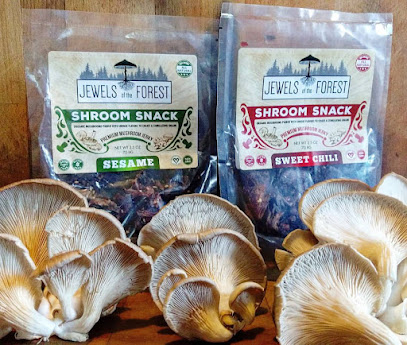
- Retail Boutiques: Stores like Far West Fungi provide a curated selection of both fresh and dried medicinal mushrooms, ideal for those seeking hard-to-find gourmet varieties.