The Rise of Mushroom Farming in Benicia
Urban agriculture in Benicia is shifting toward high-value, small-footprint crops. Gourmet mushroom cultivation stands at the forefront of this trend. By utilizing vertical space and controlled environments, local growers are meeting the increasing demand for culinary-grade fungi that supermarkets cannot match for freshness. These indoor operations bypass the traditional supply chain, meaning mushrooms reach plates within hours of harvest rather than days.
Current Local Growers
The local agricultural landscape features specialized operations dedicated to premium fungi. The table below highlights the primary producer currently serving the Benicia area, known for consistent quality and expert-level cultivation.
| Farm Name | Primary Varieties | Key Specialization |
|---|
| Mikuyta Mushrooms LLC | Lion's Mane, Blue Oyster, Black King Oyster, Nameko, Coral Tooth, Chestnut | Gourmet-grade controlled environment cultivation |
Mikuyta Mushrooms LLC operates as a cornerstone of this movement. Their focus on the specific needs of professional chefs and artisanal retailers in the Bay Area has helped establish a high standard for aesthetic and textural quality. By prioritizing locally managed, sustainable growing methods, they ensure that the mushrooms supplied to Benicia residents and businesses remain free from the long-haul transit degradation typically associated with store-bought imports.
Why Buy Locally Grown in CA?
California’s climate, while famous for its Mediterranean sunshine, presents unique challenges for agriculture. Mushrooms are highly sensitive to humidity, temperature, and air exchange rates. Growing them outdoors is often impractical or unreliable due to erratic moisture levels. Indoor cultivation in Benicia solves these issues by creating a micro-climate that simulates optimal forest floor conditions year-round.
When you purchase mushrooms from a local grower, you are gaining access to fungi at their peak nutritional density. Mushrooms lose moisture and structural integrity rapidly after harvest. Local procurement drastically reduces this degradation window. Furthermore, local growers often select mushroom genetics based on flavor profile rather than shelf-stability, which is the primary metric for large-scale industrial distribution. This allows home cooks and restaurant chefs to access rare varieties like the Coral Tooth or Nameko, which are rarely found on standard grocery shelves.
Popular Varieties & Culinary Uses
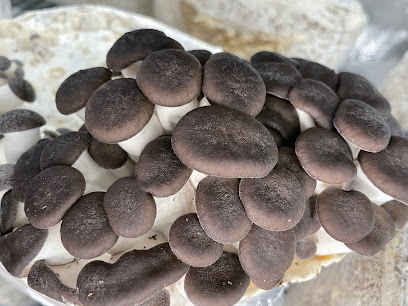
The varieties grown in Benicia offer distinct culinary and wellness profiles. Lion's Mane is frequently cited for its potential cognitive benefits and its dense, crab-like texture, making it an ideal meat substitute for cakes or pan-seared dishes. Blue Oyster mushrooms provide a savory, umami-rich flavor that holds up well in stir-fries, soups, and sautéed preparations. Black King Oysters are prized for their thick, meaty stems which provide a substantial mouthfeel similar to scallops.
For optimal results, avoid washing your mushrooms until you are ready to cook. If you buy fresh, local mushrooms, store them in a paper bag in the refrigerator to allow them to breathe. This prevents the buildup of excess moisture that can lead to premature spoilage. Whether you are using them in a morning omelet or as the centerpiece of a plant-based dinner, the difference between mass-produced and locally cultivated fungi is immediate upon the first bite.