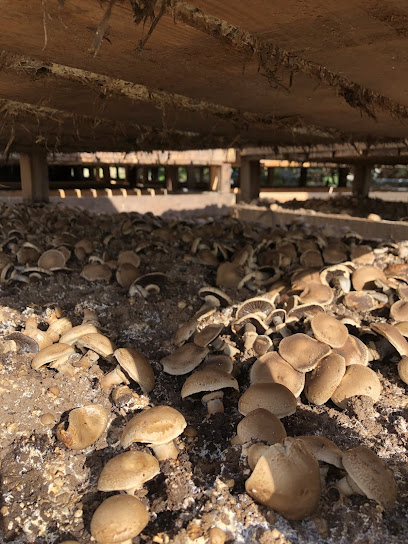
The Rise of Mushroom Farming in Prunedale
Mushroom cultivation has emerged as a high-efficiency model for urban and peri-urban agriculture in California. Unlike traditional row crops that rely heavily on expansive acreage and specific soil health, mushroom farming utilizes climate-controlled environments. This shift allows producers in Prunedale to maintain consistent output regardless of the erratic Central Coast weather. By managing humidity, temperature, and airflow, growers effectively create a micro-climate where fungi thrive year-round. This operational model reduces the need for heavy pesticide use and minimizes water consumption, positioning mushroom production as a sustainable anchor for local agricultural development.
Current Local Growers
The agricultural landscape in the Prunedale region includes established facilities that drive the local economy and supply chain. The following table highlights a key producer known for commercial-scale operations and variety consistency.
| Grower Name | Specialty | Operational Focus |
|---|
| Monterey Mushrooms Royal Oaks Facility | White Button, Baby Bella, Shiitake | Commercial cultivation and supply chain excellence |
Growers like Monterey Mushrooms leverage decades of expertise to stabilize the regional food supply. Their focus on vertical integration ensures that products moving from the growing room to the kitchen retain high nutritional value and shelf life. For consumers, this means reduced transportation times compared to mushrooms imported from overseas or other states.
Why Buy Locally Grown in CA?
California residents benefit directly from a shortened supply chain. Fungi are delicate organisms that begin to lose moisture and texture as soon as they are harvested. When you purchase mushrooms grown in a local facility, you are typically accessing product harvested within 24 to 48 hours. This timeframe is critical for culinary applications where texture and structural integrity matter. Furthermore, indoor cultivation in Prunedale avoids the environmental stressors common to outdoor farming in California, such as smoke from wildfires, drought-induced dust, or unpredictable temperature spikes. Climate-controlled indoor environments ensure the mushrooms remain free from external contaminants and maintain consistent aesthetic and biological quality. By supporting local facilities, consumers also reduce their carbon footprint, as the distance from the farm to the local grocery store or restaurant is significantly shorter than national distribution networks.
Popular Varieties & Culinary Uses
The local market is expanding beyond the common grocery store staples. While White Button and Baby Bella mushrooms remain the foundation for many households, the demand for gourmet and medicinal varieties like Shiitake, Oyster, and Lion's Mane is rising. Shiitake mushrooms offer a deep, umami-rich flavor profile that makes them ideal for stir-fries, soups, and roasting. They serve as an excellent plant-based protein source for those looking to diversify their diet. Lion's Mane, prized for its unique, seafood-like texture, has gained traction in wellness circles for its potential cognitive health benefits. When preparing these varieties, avoid washing them under running water, as fungi act like sponges. Instead, use a damp cloth or a soft brush to remove debris. To maximize flavor, sauté mushrooms in a hot pan without overcrowding; this allows moisture to evaporate, enabling the natural sugars to caramelize. Whether you are a professional chef or a home cook, sourcing these varieties from local growers ensures a superior culinary result that reflects the freshness of the California coast.