
💬 445 reviews⭐ 5
Showing 5 organic producers near you
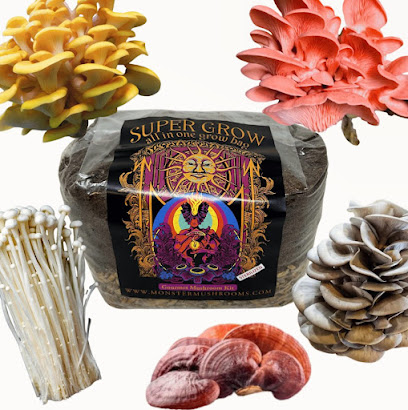
Mycology cultivation and supply. Top products: All-in-One Mushroom Grow Bags, Liquid Cultures, Mushroom Substrates. Monster Mushroom Company is a Colorado-based, family-owned business established in 2019, specializing in high-quality mycology supplies and cultivation equipment. With over two decades of professional experience in laboratory and field settings, the company focuses on demystifying mushroom cultivation for both amateur enthusiasts and seasoned mycologists. Their core offerings include proprietary all-in-one mushroom grow bags, pre-sterilized substrates, nutrient-rich mushroom grains, and premium liquid cultures. By prioritizing organic, high-grade materials, the firm ensures successful colonization and abundant yields for home growers. Beyond retail sales, the company serves as an educational resource, providing extensive instructional content and technical guidance to simplify the transition from spore inoculation to harvest. By combining e-commerce accessibility with professional-grade laboratory standards, Monster Mushroom Company bridges the gap between commercial mycology and at-home self-sufficiency, catering to a diverse demographic of consumers interested in gourmet and medicinal mushroom cultivation.
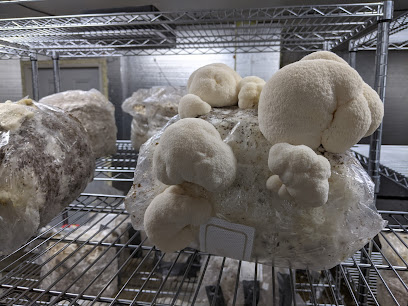
Gourmet mushroom cultivation farm. Top products: King Oyster Mushrooms, Lion's Mane, Shiitake. Furst Class Fungi is a specialized, Denver-based mushroom farm committed to cultivating and distributing high-quality gourmet mushrooms. Operating with a community-centric philosophy, the business functions as a primary producer and direct-to-consumer supplier, catering to both local restaurants and individual households. Their production focus includes popular culinary varieties such as Shiitake, Lion's Mane, King Oyster, and Blue Oyster mushrooms, with select medicinal offerings like Reishi. The farm distinguishes itself through an accessible business model that bypasses traditional retail barriers, utilizing farmers markets, direct delivery services, and a seasonal Community Supported Agriculture (CSA) program to provide fresh produce to the public. Beyond production, Furst Class Fungi emphasizes consumer education, actively engaging with their clientele by providing culinary recommendations and cooking techniques for their diverse inventory. By maintaining strict quality control and fostering direct connections with local chefs and home cooks, they have positioned themselves as a vital regional source for fresh, sustainably grown fungi.
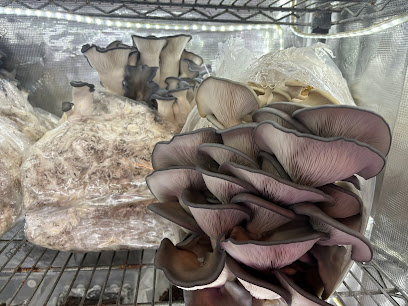
Medicinal mushroom cultivation education. Top products: Cordyceps, Liquid culture, Grain spawn. Shroomsquatch Myco-Ventures is a Colorado-based, distributed mushroom farm that specializes in the cultivation of medicinal fungi, with a primary emphasis on Cordyceps and Reishi. Operating on a community-focused, sustainable agricultural model, the business prioritizes organic practices and domestic inputs, ensuring all crops are grown on U.S.-sourced grains. Their mission centers on providing a high-potency, locally-grown alternative to imported mushroom products, catering to both the direct-to-consumer market and wholesale partners including supplement brands, health food retailers, and local restaurants. Beyond commodity production, the firm serves as an educational hub, offering in-person workshops on low-tech cultivation techniques and selling professional-grade mycology supplies like grain spawn and liquid cultures. By providing full traceability from spore to harvest and maintaining rigorous quality control through regular Certificates of Analysis, Shroomsquatch bridges the gap between commercial mushroom production and accessible mycological education.
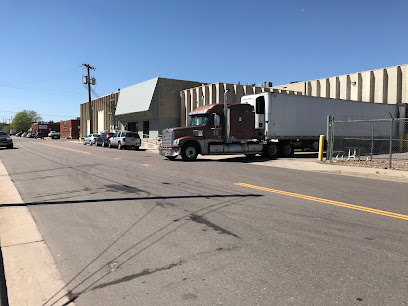
Commercial culinary mushroom production. Top products: white button mushrooms, crimini mushrooms, portabella mushrooms. Founded in 1979 in Miami, Oklahoma, by Virgil Jurgensmeyer, Joe Jurgensmeyer, and Darrell McLain, J-M Farms has evolved from an initial production capacity of 2 million pounds per year to a significant industrial operation producing 25 million pounds annually. The farm operates as a large-scale commercial cultivator focused on supplying fresh, high-quality culinary mushrooms, including white button, crimini, portabella, shiitake, and maitake varieties. Their infrastructure features sophisticated, climate-controlled growing facilities, including dedicated spawn run and setback rooms, alongside extensive cooling and shipping logistics to ensure product integrity for wholesale and retail distribution. Serving as a regional cornerstone, the business maintains a focus on food-service and grocery retail sectors. Throughout their four-decade history, they have implemented multiple strategic expansions, including a 2016 facility upgrade, to increase square footage and logistical throughput, demonstrating a commitment to advanced agricultural technology and scaling operations while maintaining community-focused philanthropic values.
Denver’s fungal market is currently defined by a split between large-scale industrial wholesalers and boutique, education-focused cultivators. Consumers now have access to five distinct entities, ranging from massive commercial operations to hyper-local, community-driven startups. Colorado’s arid climate makes outdoor cultivation difficult, shifting the industry toward indoor, climate-controlled fruiting chambers. These facilities are essential for maintaining the specific humidity and temperature gradients required for species like Lion's Mane and Cordyceps to thrive. Local growers are increasingly moving away from imported, long-haul shipments to prioritize freshness, which is critical for the delicate texture of gourmet mushrooms.
| Farm Name | Rating | Specialization | Type |
|---|---|---|---|
| JM Farms | 2 | Commercial Culinary | Produce wholesaler |
| Furst Class Fungi | 5 | Gourmet Cultivation | Vegetable wholesaler |
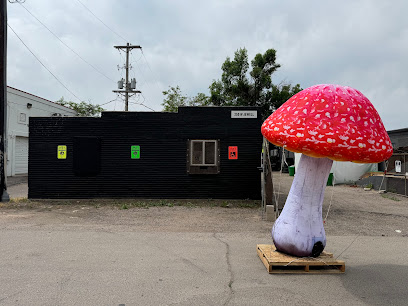
| Mushroom Classroom | 5 | General Mycology | Garden center |
| Monster Mushroom Company | 4.6 | Cultivation Supplies | Agricultural product wholesaler |
| Shroomsquatch Myco-Ventures | 5 | Medicinal Cultivation | Agricultural service |
JM Farms operates as a massive industrial producer. While they maintain significant infrastructure for high-volume distribution of button and portabella varieties, their lower consumer rating reflects a focus on wholesale logistics rather than boutique retail quality.
Furst Class Fungi serves the Denver community through direct-to-consumer models. By utilizing farmers markets and CSA programs, they ensure that varieties like King Oyster and Lion's Mane reach buyers shortly after harvest.
Mushroom Classroom functions as a garden center, likely focusing on the hobbyist market. Their high rating suggests they are a primary destination for residents seeking beginner-friendly grow kits or entry-level cultivation supplies.
Monster Mushroom Company specializes in the technical side of the industry. They supply the substrates, grain spawn, and grow bags needed for home cultivation, effectively bridging the gap between professional lab techniques and home-grown yields.
Shroomsquatch Myco-Ventures bridges the gap between medicinal research and local farming. By focusing on Cordyceps and Reishi with rigorous quality control, they provide a reliable, U.S.-sourced alternative to imported medicinal supplements.
A: Local mushrooms are harvested closer to the point of sale, ensuring superior texture, flavor, and nutrient retention compared to mushrooms that have been shipped long distances.
A: Suppliers that focus on education, such as Mushroom Classroom or Shroomsquatch, provide the technical support and supplies necessary for you to successfully grow your own mushrooms, reducing long-term costs.
A: The low humidity in Colorado makes it nearly impossible to grow gourmet mushrooms outdoors successfully. Indoor climate-controlled systems are required to mimic the high-humidity, stable-temperature environments these fungi need to fruit.
The most popular reviews:
The class was very informative and Chris provided an extensive amount of information leaving me with quite the impression. Take the time for a class or just to stop in.
— Mushroom ClassroomBest source for culinary/functional mushrooms in Denver. I’ve known this business and its people since the debut, and I couldn’t recommend it more :) they work so hard and their mushrooms are divine ♥️ We’re so excited for market season to start up again so we can stock our fridge on the regular (we didn’t get in on the subscription this winter but I sure wish we had). ALSO, FCF is in so many great restaurants around Denver. Proud of y’all!!
— Furst Class Fungi