Local Mushroom Market in Lakewood
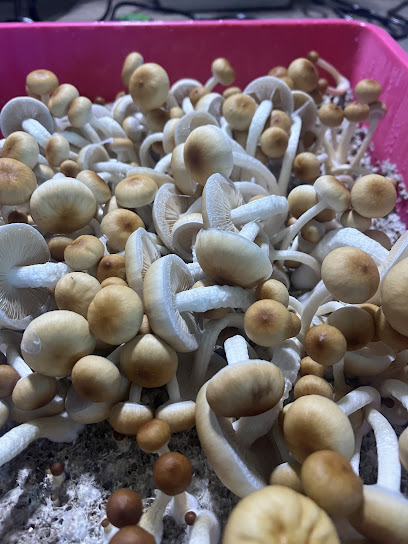
Lakewood’s agricultural profile is shifting toward high-value, small-footprint crops. Currently, two primary entities define the local mycological landscape. One focuses on the science of cultivation—supplying the tools for home growers—while the other acts as a commercial producer of fresh culinary fungi. This duality creates a self-sustaining ecosystem where residents can either purchase ready-to-eat produce or participate directly in the cultivation process. The high altitude and arid climate of Colorado present unique hurdles for mycology. Indoor environments require precise humidity and temperature regulation to mimic the forest floor, as the natural ambient air is typically too dry for consistent mushroom fruiting. Successfully growing in Lakewood requires specialized equipment, such as automated fruiting chambers or, at a minimum, controlled environments that maintain 80-90% humidity.
Comparison of Top Growers
| Farm Name | Rating | Specialization | Type |
|---|
| Colorado Cultures | 4.7 | Mycology supplies and education | Garden center |
| High Balsam Farm | 5.0 | Specialty culinary mushrooms | Farm |
Deep Dive into Suppliers
Colorado Cultures operates as a specialized supply hub, focusing on the infrastructure of mycology. They provide sterilized grain bags and all-in-one grow kits, backed by a 95% success rate claim for novices. Their business model emphasizes education, hosting events like 'Myco Jam' to demystify the science of fungi.
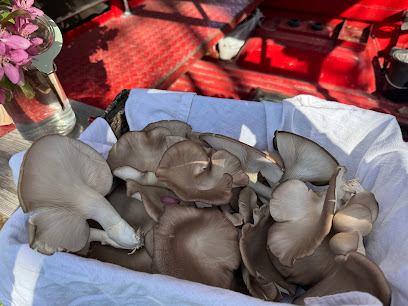
High Balsam Farm takes a different route, functioning as an urban agricultural operation that produces fresh specialty mushrooms alongside seasonal vegetables and dahlias. Their model prioritizes sustainability and soil health, while simultaneously acting as a community destination through agritourism, on-site lodging, and event space rentals.
Buying Guide for CO Residents
When purchasing mushrooms in Lakewood, quality control is paramount. Local fungi are superior because they bypass long-distance shipping, which degrades texture and nutritional density. Use these tips to ensure you are getting the best product:
- Check for Firmness: Fresh gourmet mushrooms should be firm, not slimy or soft. Avoid any specimens with dark, wet spots.
- Inspect the Gills: If buying oysters or shiitakes, the gills should be clean and intact. If they appear brown or mushy, the mushroom is past its peak.
- Aroma: Fresh fungi should smell earthy and pleasant. Avoid anything with a strong, pungent, or sour odor, which indicates early decomposition.
- Understand Local Microclimates: Because Colorado is arid, local growers who control their indoor humidity produce mushrooms with significantly higher water content and shelf stability than imported varieties.
Health Benefits of Culinary and Medicinal Fungi
Beyond the plate, the mushrooms available in Lakewood offer significant medicinal potential. Lion’s Mane is widely studied for its potential to support nerve growth factor (NGF) and cognitive function. Shiitake mushrooms contain eritadenine, a compound known to assist in maintaining healthy cholesterol levels, and lentinan, which supports immune system health. Cordyceps are frequently utilized by athletes for their potential to increase oxygen uptake and ATP production. Oyster mushrooms are a nutritional powerhouse, packed with lovastatin, which is used in cholesterol-lowering medications. Integrating these into a regular diet provides a diverse range of beta-glucans and antioxidants that are often lacking in standard produce. By supporting local Lakewood growers, you ensure access to the freshest possible mycelial products, capturing the full enzymatic and nutritional profile that begins to degrade the moment a mushroom is harvested and packaged for long-haul transport.