The Mushroom Market in Connecticut
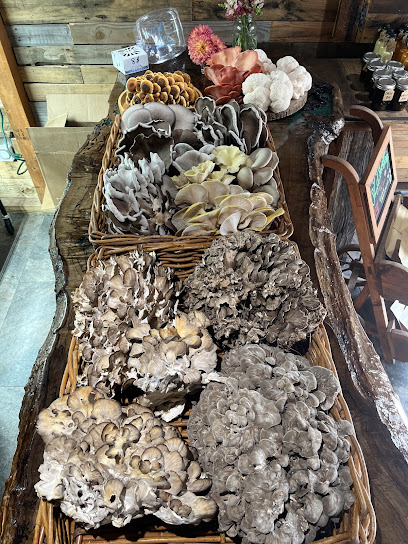
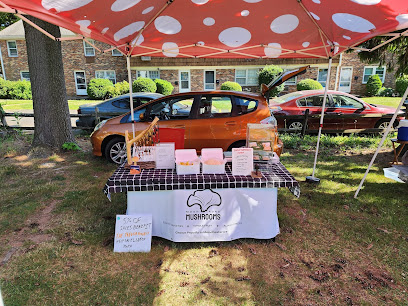
Connecticut’s gourmet mushroom market is currently characterized by high-quality, small-scale production. With seven verified farms operating across the state, the industry prioritizes quality over industrial volume. Consumer demand has shifted toward specialty varieties like Lion's Mane, Blue Oyster, and Chestnut mushrooms. These are no longer niche products; they are staples in Connecticut’s farm-to-table restaurant scene. Most farms operate on a direct-to-consumer model, leveraging high ratings—such as the 5.0 marks held by Casi Paraiso Organics and Mohawk Mountain Mushrooms—to build local loyalty. The market is currently stable but fragmented, with growers effectively filling the gap left by long-distance supply chains.
Top Cities for Gourmet Fungi
The distribution of mushroom farming in Connecticut shows a strategic spread across seven distinct hubs: Manchester, Torrington, Bridgeport, Colchester, Goshen, Greenwich, and Prospect. This geographical diversity ensures that fresh, locally grown fungi reach urban centers and rural populations alike. Manchester, for instance, serves as a vital logistics node, allowing for efficient distribution to the Hartford metropolitan area. The presence of single-farm hubs in locations like Greenwich and Bridgeport highlights the rise of urban agriculture. These farms utilize climate-controlled indoor fruiting chambers to bypass the limitations of traditional field farming. By concentrating production in these specific cities, growers minimize the time from harvest to plate, which is critical for the shelf life of gourmet species like Shiitake and Maitake.
Connecticut Climate & Mushroom Cultivation
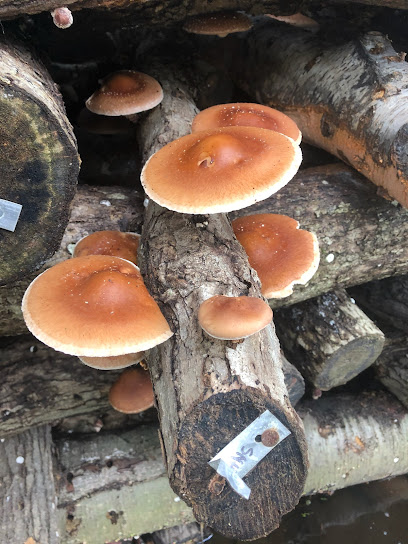
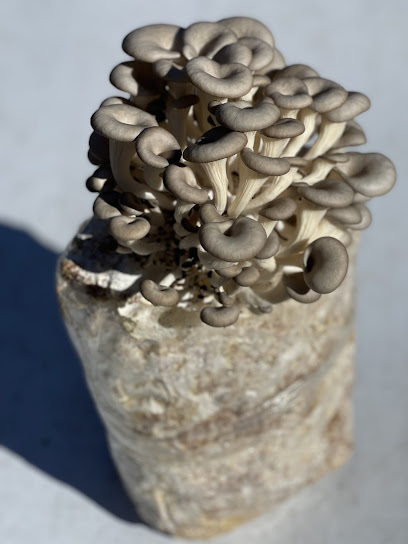
Connecticut’s climate offers a dual-edged environment for mycology. The state experiences humid continental weather, characterized by significant seasonal temperature shifts. While this humidity is beneficial for wild foraging during the late summer and autumn months, it presents challenges for year-round production. Commercial growers in Connecticut have largely pivoted to indoor cultivation. This move to climate-controlled environments—using specialized fruiting chambers—allows for precise regulation of humidity, airflow, and CO2 levels. By mitigating the erratic exterior temperatures of New England, farms like Shrub Oak Mushroom Company and Moon Rune Mushrooms can guarantee a consistent harvest regardless of the outside frost or heatwaves. The forest types in Connecticut, dominated by hardwoods like oak and maple, also provide a natural substrate foundation for those utilizing log-inoculation methods. However, the move toward indoor, sterile substrate blocks is the primary driver for the high ratings seen in the current market, as it ensures a cleaner, more reliable product.
Sourcing Locally in CT
For restaurants and residents looking to secure fresh, locally grown mushrooms, the following suppliers offer the most reliable inventory in the state:
- Union City Farm: A highly-rated producer (4.8) ideal for consistent, high-volume orders.
- Casi Paraiso Organics: Offers premium-rated organic produce, perfect for health-conscious retail markets.
- Mohawk Mountain Mushrooms: Known for their top-tier cultivation standards and 5.0 rating.
- Shrub Oak Mushroom Company: A reliable source for variety and consistent supply cycles.
- tri gable lea farm: An excellent choice for those seeking certified organic cultivation practices.
- Moon Rune Mushrooms: Highly rated for freshness and specialized gourmet species.
- Versailles Farms LLC: Functions as a key wholesaler, bridging the gap between local growers and larger distribution networks.