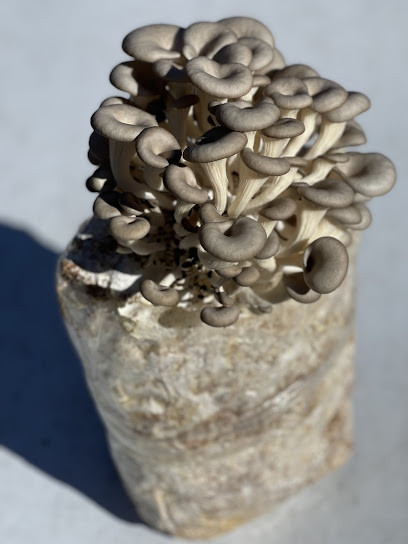
The Rise of Mushroom Farming in Torrington
Torrington is experiencing a shift in local food production. Agriculture in Northwest Connecticut historically focuses on traditional soil-based crops, but a new wave of urban and indoor farming is changing the landscape. Growers now prioritize high-density, climate-controlled environments to produce gourmet mushrooms and nutrient-dense microgreens year-round. This transition allows residents to access culinary-grade fungi that would otherwise travel thousands of miles to reach grocery shelves. By utilizing controlled-environment agriculture, local producers bypass the challenges of the harsh New England winter, ensuring a steady supply of fresh, chemical-free produce regardless of the outdoor temperature.
Current Local Growers
The following table outlines prominent producers operating in the Torrington area, specializing in gourmet mushrooms and microgreens.
| Farm Name | Primary Specialties | Distribution Method |
|---|
| Casi Paraiso Organics | Lion's Mane, Oyster, Shiitake, 35+ Microgreen Varieties | CSA, Farmers' Markets, Delivery, Wholesale |
Casi Paraiso Organics serves as a primary example of this local agricultural movement, focusing on intensive indoor techniques to manage moisture and light levels specifically tailored to gourmet varieties. Their model demonstrates how small-scale operations can meet the needs of both local chefs and home cooks seeking fresher, higher-quality ingredients.
Why Buy Locally Grown in CT?
Connecticut’s climate is erratic. Growing outdoors in Torrington often requires fighting against early frosts, heavy humidity fluctuations, and inconsistent soil quality. Indoor mushroom cultivation solves these problems by creating a micro-climate where humidity, CO2 levels, and temperature stay constant. When you buy locally grown mushrooms from Torrington, you receive product harvested hours before purchase, not days or weeks. Commercial mushrooms often suffer from 'shipping fatigue'—bruising, moisture loss, and a rapid decline in texture. Locally cultivated varieties like Blue Oyster or Lion's Mane retain their firm structure and earthy aroma, which are lost in mass-market distribution chains. Supporting local agriculture also reduces your carbon footprint by eliminating the cross-country logistics involved in shipping perishable goods.
Popular Varieties & Culinary Uses
Local growers in the region focus on specific species favored for both flavor and wellness properties.
- Lion's Mane: Known for its meaty, crab-like texture, this mushroom is a favorite for vegetarian seafood alternatives. It is often sautéed until crispy.
- Blue Oyster: These offer a delicate, savory flavor and a velvety texture. They are incredibly versatile, working well in stir-fries, omelets, or simply grilled.
- Shiitake: A staple for umami depth. Use these in broths, soups, or as a base for flavorful stir-fries.
- Chestnut Mushrooms: These provide a nutty, earthy profile and a firm bite that holds up well in slow-cooked stews or roasted dishes.
Microgreens, such as pea shoots and radish confetti, serve as the perfect pairing for these mushrooms. They add a vibrant, peppery crunch to dishes, balancing the rich, savory notes of the fungi. Integrating these into a regular diet through local CSA programs ensures that households have a constant supply of high-nutrient produce that encourages creative home cooking.