The Mushroom Market in Florida
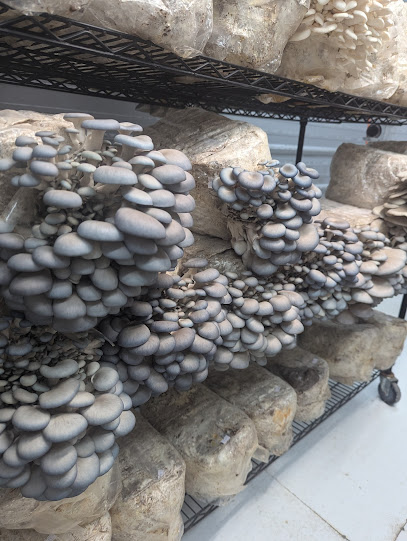
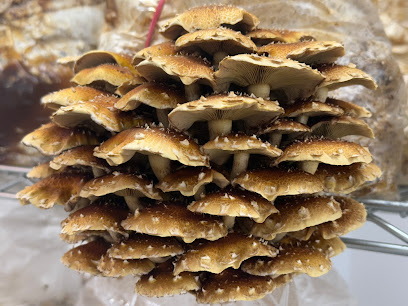
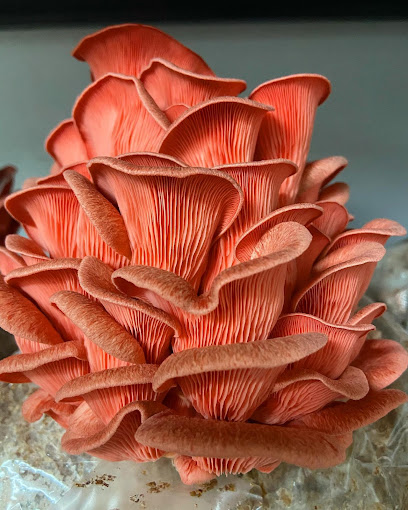
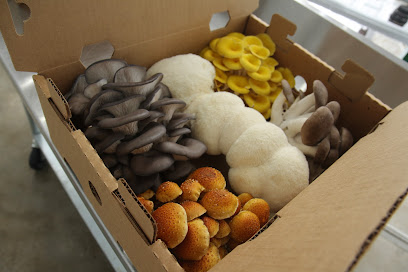
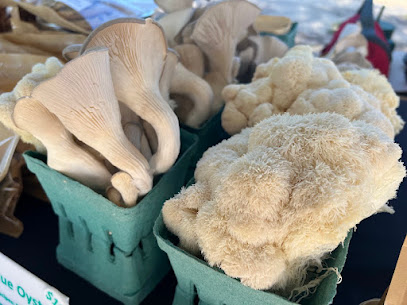
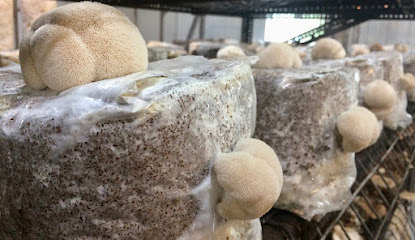
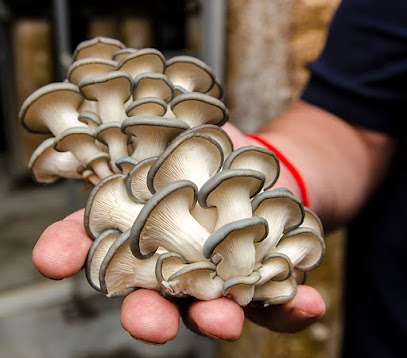
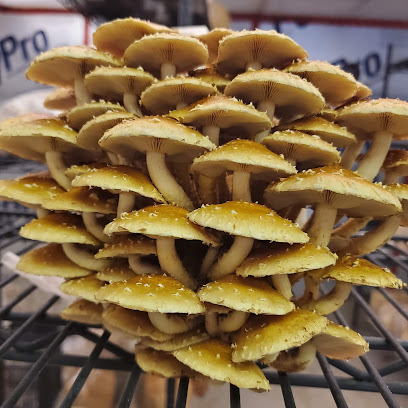
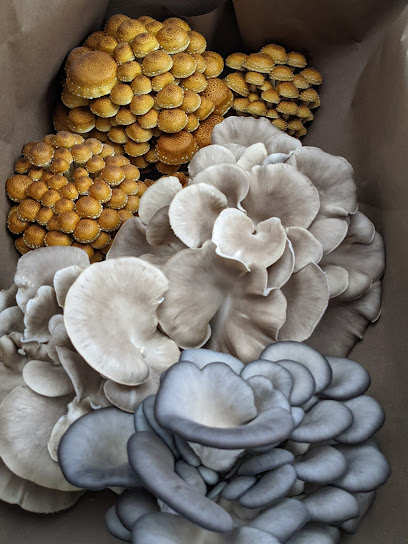
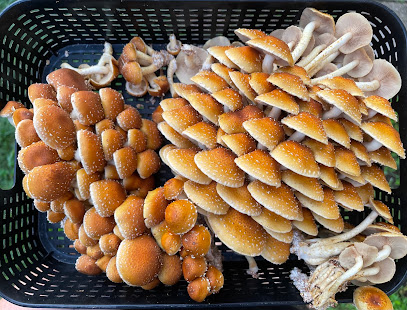
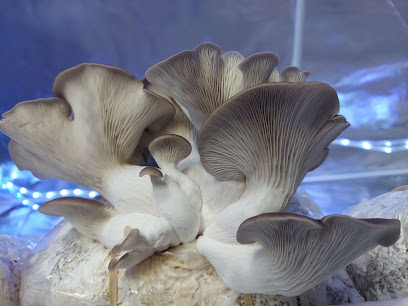
Florida represents a unique frontier for gourmet and medicinal mycology. With 33 verified farms operating across 24 cities, the market has shifted from hobbyist cultivation to professional-grade commercial production. Consumers now have direct access to high-quality Oyster, Shiitake, Lion’s Mane, and specialty Stropharia varieties. The current market structure relies heavily on direct-to-consumer models, including farmers' markets and farm-direct shops, rather than traditional wholesale grocery chains. This ensures higher turnover rates and fresher product for the end-user. As demand for plant-based proteins and functional foods rises, these local operations are scaling up their capacity to meet the needs of Florida's upscale culinary scene.
Top Cities for Gourmet Fungi
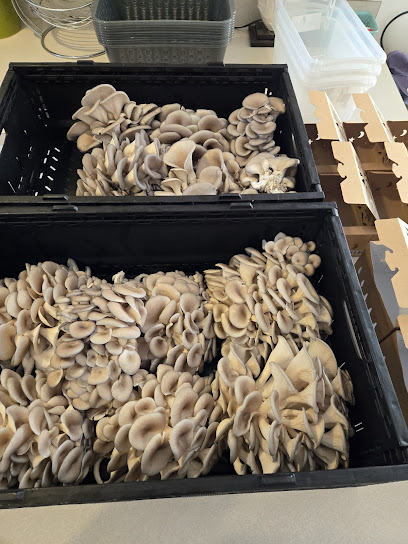
Mushroom farming in Florida is not distributed evenly. Concentrations are highest in areas where logistics and local demand intersect. Pensacola and Naples currently lead the state, each hosting three verified farms. These hubs serve as critical distribution centers for their respective regions, benefiting from high-density tourism and a local population that prioritizes farm-to-table dining. Cities like Winter Haven, West Palm Beach, DeLand, Miami, and Live Oak follow closely with two farms each. These clusters are often situated near established agricultural transit routes, allowing for rapid cold-chain delivery of delicate fruiting bodies that otherwise have a short shelf life. The presence of specialized outlets like Fungi of Casselberry suggests that the market is maturing, moving toward dedicated retail storefronts rather than just production-only facilities.
Florida Climate & Mushroom Cultivation
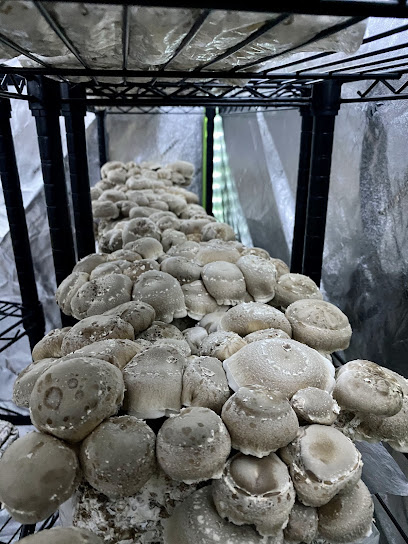
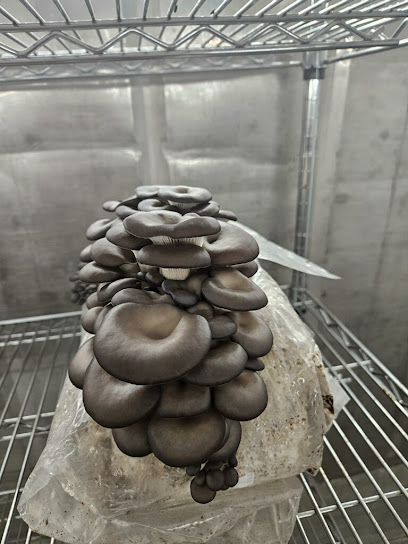
Florida’s climate is both a challenge and an asset. The state’s extreme humidity—often exceeding 80%—can be a double-edged sword. While high ambient moisture is ideal for mushroom development, it invites competing molds and pathogens that can decimate indoor crops. Consequently, the most successful farms, such as Lost Boys Mushrooms and Gratitude Garden Farm, utilize highly sophisticated indoor climate control systems. These facilities rely on HEPA-filtered fruiting chambers to maintain precise vapor pressure deficits (VPD) and CO2 levels regardless of the sweltering outdoor heat. Unlike temperate states where seasonal foraging is the primary supply source, Florida’s mushroom industry is almost entirely controlled-environment agriculture. Growers treat their substrates with thermal pasteurization or sterilization to combat the aggressive local microflora. This technical barrier to entry has created a market defined by quality and consistency rather than volume, as the overhead costs for climate management are significant.
Sourcing Locally in FL
For restaurants, chefs, and home cooks seeking the freshest local fungi, the following channels are the most reliable ways to source high-rated product:
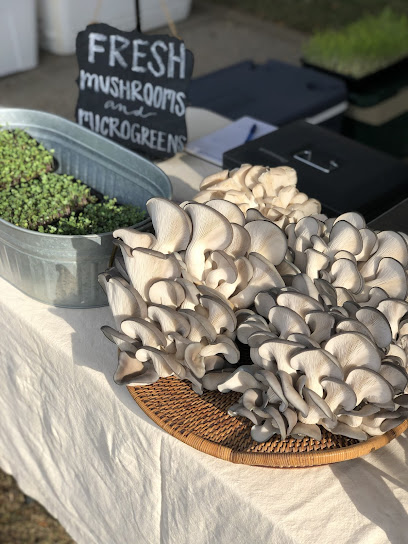
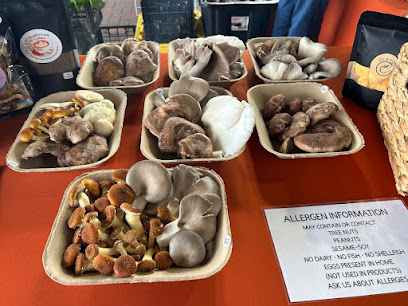
- Farmers' Markets: Vendors like Stropharia Mushroom Farm and Mind Cap Mushrooms operate primarily through the circuit, offering the freshest weekly harvests.
- Direct Farm Shops: Locations such as Fungi of Casselberry provide a retail interface for consumers to purchase directly from the source.
- Organic Certified Producers: For buyers requiring organic standards, farms like Spruce Creek Mushrooms and White Oak Mushrooms maintain rigorous production protocols.
- Specialty Culinary Suppliers: Farms like Lion Farms and Southeast Mushrooms focus on professional-grade production, often serving as the primary suppliers for high-end hospitality groups across the state.
- Online Direct Ordering: Operations like Sunshine Fungi and Cap Country Mushrooms utilize web-based platforms to facilitate local pickup or regional delivery.