The Mushroom Market in Idaho
The Idaho mushroom market is currently in a phase of controlled expansion. While only four verified commercial operations dominate the current supply chain, the demand for specialty gourmet varieties like Lion’s Mane, Oyster, and Shiitake is outpacing supply. Consumers are moving away from mass-produced grocery store buttons, opting instead for locally cultivated, high-nutrient fungi. This shift is driven by a growing culinary interest in farm-to-table dining and a burgeoning interest in medicinal mycology. Currently, the market is defined by small-scale, high-quality production models that prioritize freshness over massive volume. Growers are leveraging digital storefronts and local farmers' markets to distribute their harvests, ensuring that the time from harvest to plate is minimized.
Top Cities for Gourmet Fungi
Mushroom cultivation in Idaho is highly centralized, mirroring urban population density and infrastructure availability. Our data confirms four primary operations across three distinct cities:
- Boise (2 farms): As the state capital and primary economic engine, Boise serves as the epicenter for mushroom production. The high concentration of restaurants and health-conscious consumers creates a robust demand. Operations like the Boise mushroom company act as essential retail hubs, bridging the gap between producers and the public.
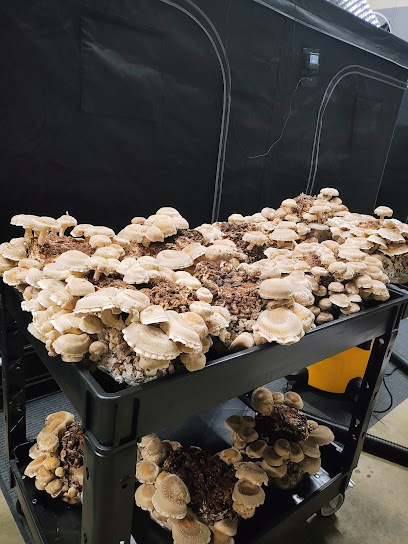
- Caldwell (1 farm): Caldwell provides a vital link in the Treasure Valley agricultural network. Its proximity to Boise allows for efficient logistics, while the lower overhead costs of the region permit growers to experiment with larger-scale indoor fruiting chambers.
- Idaho Falls (1 farm): The presence of an active farm in Idaho Falls highlights the demand in Eastern Idaho. This location serves the high-altitude, cold-climate population, proving that the market is not confined to the southwestern corridor.
Idaho Climate & Mushroom Cultivation
Idaho’s climate poses significant challenges for outdoor cultivation, which in turn fuels the state’s reliance on advanced indoor agriculture. With semi-arid conditions and extreme temperature swings—ranging from scorching summer heat in the Treasure Valley to sub-zero winters in the high desert—open-air farming is largely impractical for gourmet mushrooms. Instead, Idaho mycologists rely heavily on precision-controlled fruiting chambers.
Successful cultivation in Idaho requires strict climate control systems. Growers must manage relative humidity levels between 80% and 95% while simultaneously maintaining high air exchange rates to manage CO2 buildup. In the dry Idaho air, keeping these levels stable is the primary barrier to entry. Those who succeed, such as Basidia Farms and Ferg's Fabulous Fungi, utilize specialized HVAC systems and humidification technology to mimic the damp, temperate forest floors that mushrooms naturally favor. The high cost of these climate-controlled environments is why Idaho’s market remains an elite, high-quality niche rather than a mass-market commodity sector.
Sourcing Locally in ID
For restaurants, chefs, and retail consumers, sourcing local is the only way to ensure optimal shelf life and nutritional density. When buying from Idaho growers, look for the following:
- Direct-to-Consumer Sales: Farms like Al's Mushroom World often prioritize direct sales to ensure the product remains in the cold chain.
- Harvest Timing: Ask for the harvest date. Gourmet varieties should be delivered within 24 to 48 hours of picking to prevent spore drop and texture degradation.
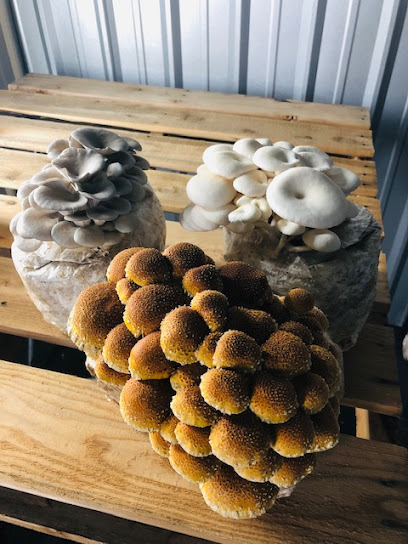
- Variety Availability: Check with Boise-based distributors for seasonal, limited-run species like Maitake or Chestnut mushrooms, which require specific environmental triggers that Idaho growers are now mastering.
- Verification: Always verify the farm’s status; the four verified farms—Boise mushroom company, Basidia Farms, Ferg's Fabulous Fungi, and Al's Mushroom World—represent the gold standard for safety and cultivation techniques in the state.