
💬 8 reviews⭐ 5
Explore 6 local mushroom producers across 6 cities.
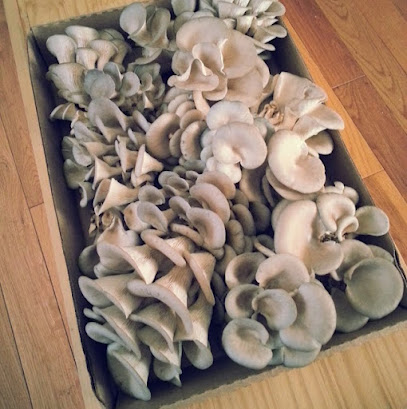
Gourmet mushroom cultivation specialist. Top products: Gourmet mushrooms, Seasonal produce, CSA farm shares. Beautiful Edibles operates as a specialized agricultural enterprise focused on the cultivation and distribution of gourmet mushrooms and seasonal produce. Founded on a commitment to sustainable local food systems, the farm functions as both a direct-to-consumer provider and a wholesale supplier, catering to culinary professionals and regional households. Their operations center on quality-controlled growing practices designed to deliver peak-freshness products, often distributed through their integrated 'Local Source' food hub. Since 2020, the farm has maintained a robust Community Supported Agriculture (CSA) program, facilitating a transparent relationship between the grower and the local community via consistent newsletters that detail seasonal crop cycles and farm-to-table culinary applications. By bridging the gap between high-yield production and local market accessibility, Beautiful Edibles positions itself as a vital infrastructure component in the regional food supply chain, emphasizing seasonal diversity and farm-fresh standards.
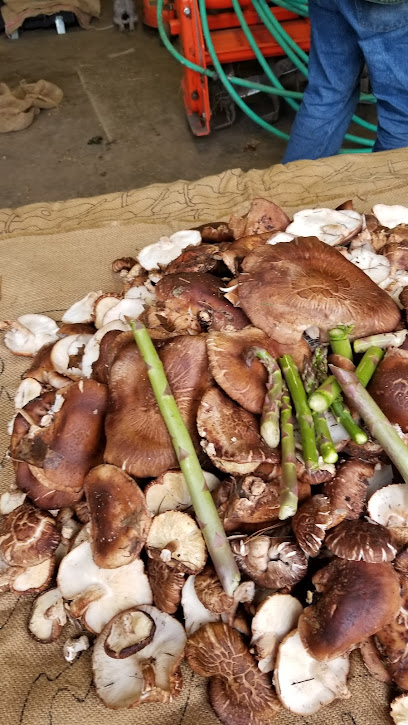
Sustainable organic produce farm. Top products: Peruvian Seabird Guano, Gourmet Mushrooms, Organic Produce. Living Earth Farms operates as a specialized agricultural entity dedicated to the principles of regenerative farming and soil biology. Their operational philosophy is rooted in the conviction that soil health is the primary determinant of crop quality, moving away from conventional, chemical-reliant agriculture in favor of microbiological support systems. By emphasizing the integration of organic matter—specifically through the use of compost, animal manures, and specialized inputs like Peruvian Seabird Guano—the farm fosters a complex, living soil environment that maximizes nutrient availability and ecosystem resilience. While their platform serves as a resource for soil education and sustainable gardening practices, the business also positions itself as a supplier of high-quality agricultural inputs and gourmet mushrooms. Their target audience includes eco-conscious consumers and small-scale cultivators seeking to restore natural fertility to their land. By minimizing soil disturbance and prioritizing natural cycles, Living Earth Farms aims to reconcile commercial production with long-term ecological stewardship.
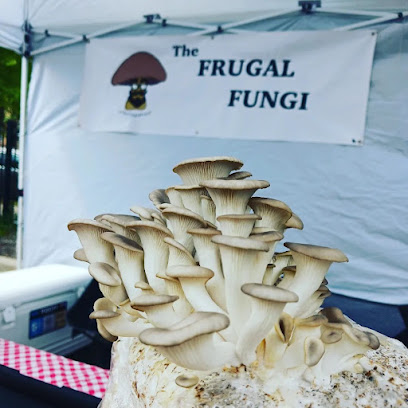
The Indiana gourmet mushroom market is currently characterized by a decentralized, high-quality production model. With six verified hubs anchoring the state's supply, producers are moving away from traditional row-crop agriculture toward controlled-environment agriculture (CEA). This shift allows Indiana growers to bypass seasonal limitations, providing year-round access to Oyster, Lion’s Mane, and Shiitake varieties. The market currently favors direct-to-consumer sales, farm-to-table restaurant partnerships, and specialty food product supply chains. Little River Mushroom Co. and The Frugal Fungi represent the high-rating standard of this sector, where consistency in substrate sterilization and moisture management determines market viability.
Geography dictates the distribution of mushroom cultivation in Indiana. The current data identifies Anderson, Bloomington, Fort Wayne, Highland, Valparaiso, and Newburgh as the primary nodes for production. Cities like Anderson benefit from their proximity to major transit corridors, facilitating rapid distribution of highly perishable fungi to urban centers. Bloomington serves as a unique agricultural hub, likely leveraging its academic and culinary infrastructure to support organic operations like LIVING EARTH FARMS. Valparaiso and Highland provide critical supply chain access to the northern industrial corridor, while Newburgh anchors the southern production capacity. This spread ensures that no single region monopolizes the market, creating a competitive environment that pushes farms like Beautiful Edibles to maintain high quality-control standards.
Indiana’s climate presents a paradox for mycologists. The state experiences humid continental weather patterns with significant precipitation and temperature swings. While this humidity is beneficial for wild foraging, it poses challenges for indoor commercial production. Growers must manage high ambient humidity levels to prevent contamination from mold spores while simultaneously maintaining the specific vapor pressure deficit (VPD) required for optimal fruiting. During the humid summer months, indoor farms rely heavily on industrial-grade climate control and HVAC systems to strip excess moisture from fruiting chambers. Conversely, the cold Indiana winters require precise heating inputs to maintain the 60-75°F range preferred by most gourmet species. Mastering this balance is the primary barrier to entry for new farms, separating hobbyists from professional suppliers like American Mushroom & Spice Co.
A: Most verified farms in Indiana utilize controlled-environment agriculture, specifically indoor fruiting chambers that manage humidity, temperature, and airflow to bypass the state's fluctuating outdoor climate.
A: Yes, operations like LIVING EARTH FARMS focus on organic production, ensuring that substrates and growing conditions meet high standards for chemical-free fungi.
A: These cities serve as strategic agricultural and logistical hubs. Their location allows for efficient distribution to local restaurants and farmers' markets, minimizing the time between harvest and consumption, which is critical for fungi shelf-life.
The most popular reviews:
His mushrooms are legit! The process of him harvesting the mushrooms are completely thorough and sterile. I had a great experience with Cort and my wife and I are greatly for his service. Thank you!
— American Mushroom & Spice CoMy go to guy for all my mushrooms I need grown the right way... No there not the magic mushrooms 😆 but always high quality mushrooms 💯💪. Go check this man out I drive all the way from to Chicago to pick up( he use to be right across the street from me in Logan square, Chicago. That's how I found him originally .
— The Frugal FungiAwesome place and great people. If you want true organic products, go here.
— LIVING EARTH FARMS