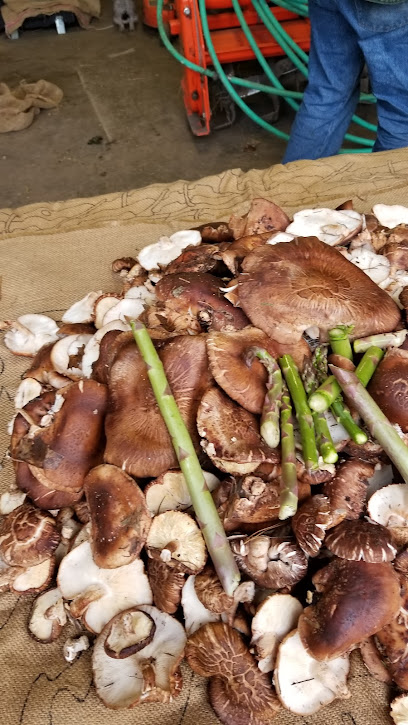
The Rise of Mushroom Farming in Valparaiso
Valparaiso is seeing a shift in local food production. Agricultural innovators are moving away from traditional field crops to embrace controlled-environment agriculture. Mushroom cultivation leads this movement, offering a way to produce high-value, nutrient-dense food regardless of Indiana's volatile seasonal weather. Growers are now utilizing specialized indoor facilities to replicate ideal forest floor conditions, creating a consistent supply of gourmet fungi for the regional market. This transition reflects a broader interest in regenerative practices and soil-biology-focused agriculture, which prioritizes the long-term health of the ecosystem over short-term yields. By controlling humidity, airflow, and substrate quality, producers ensure that local consumers receive a product that is significantly fresher than anything shipped from long-distance industrial warehouses.
Current Local Growers
The Valparaiso region benefits from specialized agricultural operations that bridge the gap between commercial production and ecological stewardship. The following entity currently contributes to the local supply chain:
| Farm Name | Specialties | Key Features |
|---|
| LIVING EARTH FARMS | Gourmet Mushrooms, Peruvian Seabird Guano, Organic Produce | Regenerative farming, soil biology focus, sustainable inputs |
LIVING EARTH FARMS operates as a leader in this space, integrating organic principles into their cultivation processes. Their model serves as a prime example of how small-scale operations can thrive by focusing on high-quality outputs and environmental education.
Why Buy Locally Grown in IN?
Indiana's climate presents significant challenges for outdoor produce. Extreme temperature fluctuations, varying humidity, and the limitations of the typical Midwestern growing season often result in a reliance on imported foods with significant carbon footprints. Indoor mushroom farming overcomes these hurdles completely. Because gourmet mushrooms like oyster or shiitake thrive in stable, climate-controlled environments, growers in Valparaiso can harvest year-round. Buying local means the mushrooms do not spend days in refrigerated trucks. This ensures the flavor profile remains intact, the texture stays firm, and the nutritional density stays high. Local cultivators like those at LIVING EARTH FARMS also emphasize sustainable inputs, meaning you support a business model that avoids the heavy chemical usage often associated with large-scale industrial agriculture.
Popular Varieties & Culinary Uses
Gourmet and medicinal mushrooms provide a unique combination of culinary versatility and potential wellness benefits. Understanding how to handle these varieties is key to getting the most out of your purchase. Oyster mushrooms have a delicate, slightly sweet flavor that mimics seafood. They work best when pan-seared at high heat to achieve a crispy edge. Shiitake mushrooms offer a deeper, umami-rich profile. They are the ideal choice for stir-fries, soups, or even as a meat substitute in vegetarian recipes. Lion's Mane is gaining traction for its dense, meaty texture that closely resembles crab or lobster when prepared correctly. Finally, Cordyceps, often sold in dried or powder form, are frequently integrated into wellness routines or teas for their adaptogenic properties. Regardless of the variety, the goal remains the same: treat these mushrooms with the same care as a high-quality protein to extract the best possible flavor and nutrient availability. Always store them in paper bags to maintain airflow and prevent premature degradation.