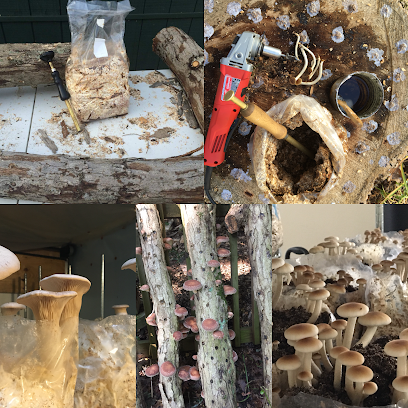
The Rise of Mushroom Farming in Glasgow
Urban agriculture in Glasgow, Kentucky, is experiencing a shift toward high-value, low-footprint crops. While traditional row-crop farming remains a cornerstone of the regional economy, local growers are increasingly turning their attention to specialty fungi. The transition to indoor, controlled-environment mushroom farming allows producers to bypass the seasonal constraints of outdoor agriculture. By utilizing specialized growing chambers, local enterprises provide a consistent, year-round supply of fresh gourmet mushrooms regardless of Kentucky's volatile weather patterns.
This growing sector focuses on sustainability and regenerative practices. Modern mycology in this region combines science with food production, enabling small-scale operations to generate significant output from compact footprints. This modular approach is ideal for urban settings, as it maximizes space while minimizing water usage and chemical inputs. The integration of functional mushroom products, such as extracts and spawn, reflects a broader trend among Kentucky consumers toward wellness-centric nutrition and self-sufficiency.
Current Local Growers
The local mycology landscape is defined by producers focused on both edible quality and educational outreach. The current market availability is anchored by professional operations that prioritize regenerative cultivation and the support of home-based growing projects.
| Grower | Key Specialties |
|---|
| Henosis | Gourmet mushrooms, grow kits, medicinal extracts, and spawn. |
Henosis exemplifies the shift toward multifunctional farming. By offering both end-consumer food products and the tools necessary for hobbyists to grow their own, they are effectively lowering the barrier to entry for local mycologists. Whether you are seeking high-quality Oyster mushrooms for the dinner table or specialized sawdust spawn for log inoculation in your backyard, these local resources are bridging the gap between professional mycology and home gardening.
Why Buy Locally Grown in KY?
Kentucky summers can be harsh, with high humidity levels and sudden temperature fluctuations. While these conditions exist in nature, controlled indoor cultivation provides a distinct advantage for mushroom quality. By managing the precise humidity and airflow, local growers ensure that mushrooms reach the consumer at peak nutritional density. When you purchase fungi transported across the country, shelf-life and nutrient degradation become immediate concerns. Local mushrooms, by contrast, often reach markets within hours of harvest.
Furthermore, local cultivation supports regional soil health. Many growers utilize permaculture principles, recycling spent mushroom substrates into nutrient-rich compost that benefits local garden beds. This closed-loop system reduces waste and contributes to the long-term ecological health of the Barren County area.
Popular Varieties & Culinary Uses
Understanding which mushroom to use for specific needs is key to maximizing both flavor and health benefits.
Oyster Mushrooms: These are the gold standard for home cooks in Glasgow. They possess a delicate, savory flavor and a tender texture when sautéed. They hold up well in pasta dishes, stir-fries, and soups. Their ease of growth makes them a staple for beginner-level grow kits.
Lion's Mane: Often referred to as the 'brain mushroom,' Lion's Mane has a unique, seafood-like texture often compared to crab or lobster. It is highly sought after by those interested in cognitive health. Searing thin slices in butter and herbs brings out a mild, sweet flavor that serves as an excellent plant-based protein substitute.
Reishi & Cordyceps: These are primarily recognized for their medicinal applications rather than culinary taste. Locally produced extracts and powders from these varieties are integrated into morning routines to support physical resilience and energy levels. While fresh cordyceps are sometimes used in culinary preparations, they are most common in concentrated forms like tinctures or dried snacks.
Whether you are a seasoned mycologist or a curious consumer, Glasgow's current agricultural trajectory offers a wealth of opportunities to incorporate fresh, medicinal-grade fungi into your daily routine. By supporting local growers, you ensure the continued development of a sustainable and nutritious food future for the community.