GrowersFinder

Mushroom Farms in Kentucky

Explore 5 local mushroom producers across 5 cities.

Select your city:
Loading Map...

Top Rated Farms in KY

Sylvatica Forest Farm
💬 21 reviews5
Farm

Sylvatica Forest Farm

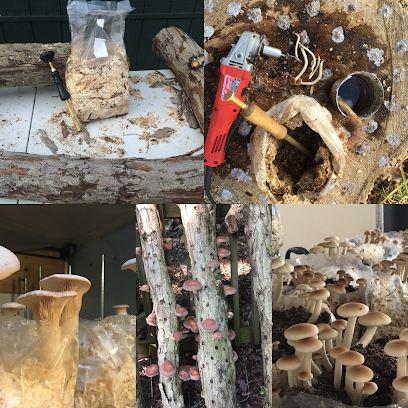
Organic mushroom and herb farm. Top products: Dried Oyster Mushrooms, Lion's Mane, Herbal Elixirs. Sylvatica Forest Farm is a sustainable, Appalachian-based agricultural operation located in the hills of Kentucky, specializing in the cultivation of organic mushrooms and medicinal herbs. The farm operates a solar-powered indoor mushroom production facility, underscoring a deep commitment to environmental stewardship and carbon-neutral farming practices. Their core offerings include a variety of dried gourmet and functional mushrooms—such as Oyster, Chestnut, Lion's Mane, and Reishi—alongside a curated line of botanical extracts, hydrosols, and herbal elixirs. Beyond produce, the farm functions as an educational hub, offering workshops on herbalism and permaculture, while operating a Community Supported Agriculture (CSA) program that provides subscribers with seasonal plant starts, trees, and value-added herbal products. Sylvatica Forest Farm bridges the gap between traditional forest foraging and modern, climate-conscious agriculture, targeting consumers who prioritize organic integrity, sustainable packaging, and transparent, local sourcing for their nutritional and wellness needs.

📍812 Anglin Falls Rd, Mt Vernon, KY 40456, USA
Route
Henosis
💬 6 reviews5
Farm

Henosis

Mushroom farm and supply. Top products: Mushroom Grow Kits, Mushroom Spawn, Mushroom Extracts. Henosis operates as a multifunctional mycology enterprise dedicated to regenerative cultivation and functional mushroom products. The company functions as both a producer and a supplier, offering an extensive catalog that includes fresh gourmet mushrooms, dried mushroom snacks, and a variety of extracts designed for cognitive and physical health support. Their cultivation segment caters to home growers and hobbyist gardeners through the provision of indoor grow kits for species like Oyster, Lion's Mane, and Reishi, as well as outdoor sawdust spawn for log and garden-bed inoculation. Committed to sustainability and education, Henosis integrates permaculture principles into their production, emphasizing soil health and ecological restoration. Their market approach targets both the wellness-conscious consumer looking for functional nutrition and the amateur mycologist seeking reliable, high-quality cultivation materials for regenerative home gardening projects.

📍1648 Harry King Rd, Glasgow, KY 42141, USA
Route
The Hungry Forager
💬 3 reviews5
Educational consultant

The Hungry Forager

No website listed
Metro Mushrooms LLC
💬 2 reviews4.5
Farm shop

Metro Mushrooms LLC

No website listed
Amazing Mushroom Farm Inc.
Farm

Amazing Mushroom Farm Inc.

Organic-Certified Gourmet Mushroom Cultivator. Top products: Gourmet Mushrooms, Organic-Certified Produce. Amazing Mushroom Farm Inc., centrally located in Lexington, Kentucky, operates as a premier organic-certified mushroom cultivation enterprise. The farm specializes in producing vibrant, flavorful, and sustainably grown gourmet mushrooms through innovative indoor cultivation techniques. Emphasizing a "farm to table" philosophy, Amazing Mushroom Farm Inc. is dedicated to redefining local agriculture by providing consumers and possibly local culinary establishments with high-quality, fresh-from-the-farm produce. Their core mission centers on cultivating mushrooms that offer exceptional taste while fostering a sustainable food future within the heart of Kentucky. The company places a strong emphasis on food safety and adheres to organic growing practices, not just as a preference, but as a commitment to delivering the healthiest possible gourmet mushrooms to its clientele. Customers can directly visit their store to purchase these meticulously grown products.

📍5618 Winchester Rd, Lexington, KY 40509, USA
Route

Browse by City

The Mushroom Market in Kentucky

Kentucky’s gourmet and medicinal mushroom market is currently in a state of rapid professionalization. While wild foraging remains a cultural staple in rural areas, the commercial sector is shifting toward controlled environment agriculture (CEA). We have verified five primary operations currently driving the state's supply chain. These entities range from specialized farm shops like Metro Mushrooms LLC to high-rating production centers such as Sylvatica Forest Farm and Henosis.

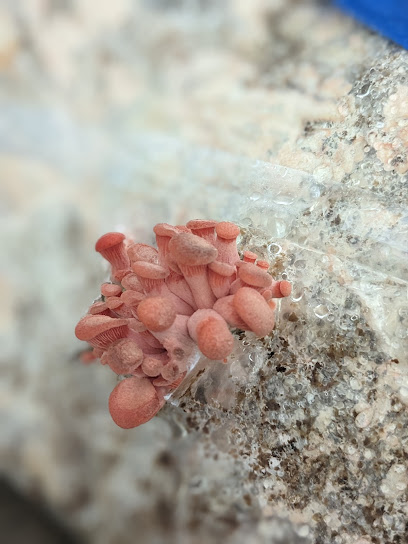
The current market shows a clear bifurcation: high-end culinary supply to urban restaurants and direct-to-consumer educational outreach. Consumers are increasingly seeking out specialty varieties like Lion’s Mane (Hericium erinaceus), Blue Oyster (Pleurotus columbinus), and Shiitake (Lentinula edodes). These species command premium prices in the Bluegrass and Louisville markets, where local sourcing has become a competitive advantage for farm-to-table chefs. The industry is currently characterized by high-quality, small-batch production rather than industrial-scale commodity farming.

Top Cities for Gourmet Fungi

The distribution of mushroom farms in Kentucky follows the state’s primary population density centers. The current active hubs are Lexington, Louisville, Lebanon, Glasgow, and Mount Vernon. This geographical spread indicates that proximity to major distribution networks and restaurant hubs is critical for the shelf-life sensitive nature of fresh fungi.

  • Lexington: Home to operations like Sylvatica Forest Farm, this city benefits from a strong local food culture that prioritizes seasonal, locally-grown produce.
  • Louisville: As the largest urban center, Louisville hosts retail-focused entities like Metro Mushrooms LLC, which bridge the gap between production and consumer accessibility.
  • Lebanon, Glasgow, and Mount Vernon: These locations represent the decentralized nature of the industry, where growers utilize lower overhead costs to produce high-value crops that are then transported to regional culinary hubs.

The concentration of growers in Lexington and Louisville is not accidental. These cities provide the necessary logistics for cold-chain distribution, which is mandatory for maintaining the structural integrity of harvested gourmet mushrooms.

Kentucky Climate & Mushroom Cultivation

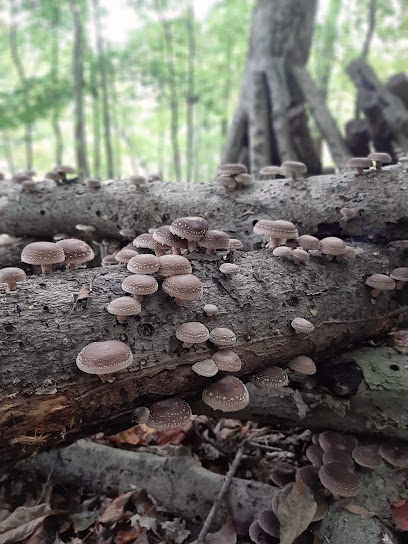
Kentucky’s climate presents unique challenges and opportunities for mycologists. The state experiences high humidity levels during the spring and summer months, which is ideal for outdoor cultivation of logs and wood-decaying species. However, these same conditions introduce significant risks of contamination from mold and competing fungi.

Commercial growers in the state are increasingly moving toward indoor climate-controlled fruiting chambers. By isolating the mycelium from the variable Kentucky weather, farms like Henosis can maintain consistent yields year-round. Temperature control is the primary hurdle; while Kentucky winters are mild enough to prevent total system failure, the summer heat requires significant investments in HVAC and humidity regulation to prevent the drying out of delicate fruiting bodies.

Forestry data suggests that Kentucky’s hardwood-rich landscape—particularly the prevalence of oak and maple—provides a vast, underutilized substrate source for local producers. Many farmers are leveraging this by moving away from imported straw substrates and toward locally sourced sawdust blocks, which significantly reduces the carbon footprint of the final product and improves the nutrient profile of the medicinal varieties being harvested.

Sourcing Locally in KY

For restaurants and residents looking to integrate local fungi into their supply chain, the following avenues represent the most reliable sourcing methods:

  • Direct Farm-to-Chef Partnerships: Contacting farms like Sylvatica Forest Farm or Amazing Mushroom Farm Inc. directly ensures the shortest time between harvest and delivery, which is critical for maximizing flavor and shelf life.
  • Farm Shops: Retail outlets like Metro Mushrooms LLC serve as accessible hubs for home cooks to purchase varieties that are rarely found in standard grocery chains.
  • Educational Consultation: Engaging with entities like The Hungry Forager allows businesses to learn proper storage, handling, and menu development, effectively building a more sustainable local ecosystem.
  • Farmers Markets: Many of the top farms utilize regional markets as their primary point of sale, offering a rotating selection of seasonal wild-foraged and cultivated varieties.

Frequently Asked Questions

Q: What are the most commonly grown mushrooms in Kentucky?

A: The market is dominated by Oyster, Shiitake, and Lion’s Mane mushrooms due to their adaptability to Kentucky’s indoor climate-controlled systems.

Q: Why do mushroom farms prefer Lexington and Louisville?

A: These cities offer the highest density of high-end restaurants and consumers, providing the necessary logistics for efficient distribution of perishable fresh produce.

Q: How does Kentucky’s climate affect mushroom growing?

A: High ambient humidity is beneficial for growth but requires strict climate control to prevent unwanted mold and contamination, leading most professional farms to use indoor fruiting chambers.