The Mushroom Market in Louisiana
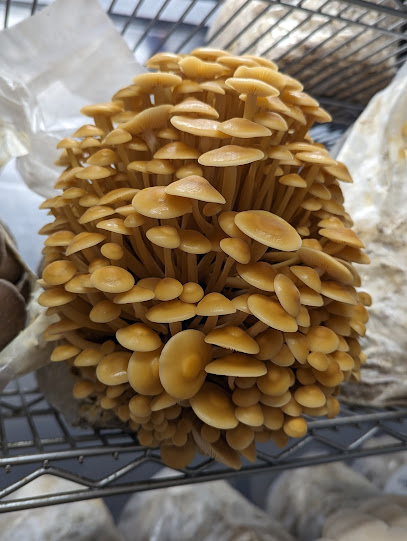
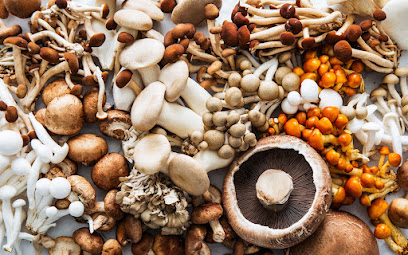
The Louisiana mushroom market is transitioning from a niche hobbyist landscape to a professionalized agricultural sector. Currently, seven verified farms anchor the state's supply chain, serving a mix of high-end culinary establishments and local farmers' markets. While the state has historically relied on out-of-state shipments for bulk commodity mushrooms, the rise of specialized indoor cultivation operations like Rayne Mycelia and SoFungi Mushroom indicates a growing demand for fresh, gourmet, and medicinal varieties such as Lion's Mane, Oyster, and Shiitake.
Retail availability remains concentrated, but the quality of local product is high. Farms like ALL CAPS Gourmet Mushrooms maintain perfect ratings, signaling that consumers are prioritizing freshness and variety over mass-produced imports. The market is increasingly driven by the farm-to-table movement, particularly in urban centers where chefs demand consistent, pesticide-free supplies that can survive the humid Louisiana transit environment.
Top Cities for Gourmet Fungi
Mushroom farming in Louisiana clusters in areas with strong infrastructure or high culinary demand. The current distribution of verified farms spans six distinct cities, with New Orleans emerging as the primary hub.
- New Orleans: Home to two of the state's seven farms. The density here is driven by the city's robust restaurant industry and its role as a culinary trendsetter for the Gulf South.
- New Iberia, Ruston, Elmwood, Lockport, and West Monroe: These cities host single-farm operations. These locations often function as distribution nodes for their respective regional agricultural networks, allowing for faster delivery times to local grocers and independent restaurants.
The geographic spread suggests that while urban centers like New Orleans provide the most immediate consumer base, the industry is finding success in secondary markets where land costs are lower, allowing for larger, purpose-built fruiting chambers.
Louisiana Climate & Mushroom Cultivation
Louisiana’s climate is both a blessing and a hurdle for mycologists. The state’s extreme humidity and warm temperatures create a natural breeding ground for wild fungi, but these same conditions make outdoor cultivation difficult to manage. Excessive humidity can lead to mold and bacterial contamination in open-air setups, while consistent heat can cause fruiting bodies to mature too quickly, sacrificing texture and flavor.
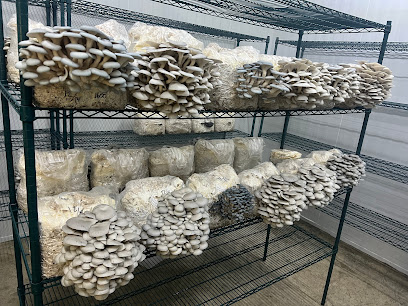
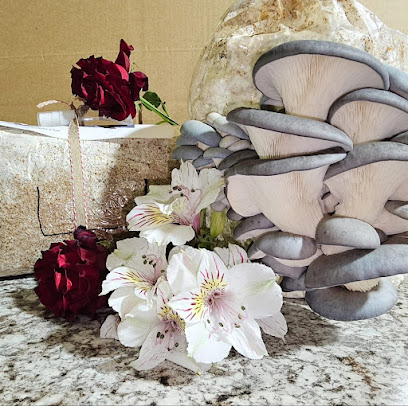
Successful Louisiana growers have largely pivoted to indoor, climate-controlled cultivation. By using HEPA-filtered environments and precise evaporative cooling systems, farms like Rayne Mycelia and Earth Cap Mushrooms can bypass the external climate. These controlled environments allow for the year-round production of temperate-climate species like Blue Oysters, which would otherwise be impossible to grow during the sweltering Louisiana summer. The key to success in this state is energy-efficient humidity management; growers who master the balance between moisture levels and airflow consistently produce the highest-rated crops.
Sourcing Locally in LA
For restaurants, retailers, and home cooks looking to secure high-quality, locally grown fungi, the following list represents the verified local supply chain:
- Rayne Mycelia: A top-rated producer known for high-quality gourmet strains.
- ALL CAPS Gourmet Mushrooms: Highly rated, focusing on consistent quality for the culinary market.
- SoFungi Mushroom: Another high-rated farm serving the regional demand for fresh specialty mushrooms.
- Mycelium Express: A vital part of the supply network focusing on distribution and availability.
- Earth Cap Mushrooms: A key player in the local production space.
- Bayou Shroomery: A specialized grower contributing to the diversity of the Louisiana market.
- Southmill Mushroom Sales: A produce-market oriented supplier that rounds out the state’s distribution options.
To source the best product, contact these farms directly to inquire about their weekly harvest schedules. Many of these producers operate through subscription-based models or direct-to-chef delivery, ensuring that the mushrooms arrive within hours of harvest, rather than days after being shipped from out-of-state facilities.