Local Mushroom Market in New Orleans
The culinary landscape of New Orleans is evolving. While the city is famous for seafood and Creole classics, a specialized mycological infrastructure is taking root. Currently, the market is served by two primary suppliers: Earth Cap Mushrooms and Mycelium Express. These operations move away from traditional agriculture, favoring high-tech, controlled indoor environments. This shift is essential in Louisiana, where high outdoor humidity and extreme summer heat make open-air mushroom farming nearly impossible. By utilizing sterile fruiting chambers, these farms bypass the environmental volatility of the Gulf Coast, ensuring year-round supply for local chefs and home enthusiasts.
Comparison of Top Growers
| Farm Name | Rating | Specialization | Type |
|---|
| Earth Cap Mushrooms | N/A | Liquid cultures and supplies | Laboratory/Retail Supplier |
| Mycelium Express | N/A | Gourmet fresh fungi and kits | Gourmet Farm/Producer |
Deep Dive into Suppliers
Earth Cap Mushrooms focuses on the biological building blocks of mycology. They function as a laboratory-grade supplier, focusing on the purity of liquid cultures for professional and hobbyist cultivators. For a local buyer, this means access to high-quality genetics rather than just the final edible product.
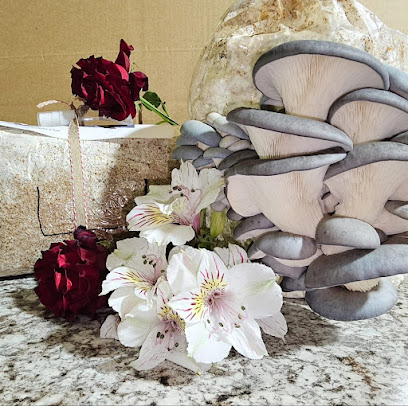
Mycelium Express, based in nearby Pearl River, bridges the gap between commercial production and the home kitchen. They offer a full lifecycle of mushroom products, from sterilized grain spawn for those who want to grow at home to fresh gourmet mushrooms and prepared vegan meals for those who prefer immediate consumption. Their model prioritizes sustainability and local food security.
The Science and Benefit of Local Fungi
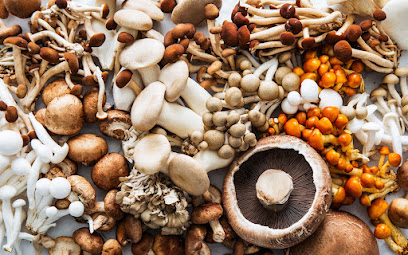
Culinary and medicinal mushrooms—such as Oyster, Shiitake, Lion's Mane, and Cordyceps—require precise atmospheric conditions to thrive. In New Orleans, the high ambient humidity can lead to mold and bacterial contamination if not strictly managed. Local growers use HVAC-controlled systems to mimic the forest floor, regulating humidity and CO2 levels to produce superior mushrooms that are far fresher than those shipped across state lines.
The health benefits are significant. Lion's Mane is often sought for potential cognitive support, while Shiitake and Oyster mushrooms provide high levels of B vitamins, fiber, and ergothioneine, an antioxidant that survives the cooking process. Buying local ensures these nutrients are at their peak, as mushrooms are highly perishable and begin to degrade the moment they are harvested.
Buying Guide for LA Residents
- Visual Inspection: Fresh mushrooms should be firm, not slimy. Avoid specimens with dark, wet spots or a fuzzy coating, as these indicate advanced spoilage.
- Storage: Never store mushrooms in plastic bags. Use brown paper bags to allow the fungi to breathe, preventing moisture buildup in our humid climate.
- Support Local Genetics: By purchasing spawn from local labs like Earth Cap, you ensure that the mushroom strains are adapted to the regional environment, leading to higher success rates for home cultivation.
- Sustainability: Prioritize farms like Mycelium Express that emphasize recyclable substrates and energy-efficient production, reducing the carbon footprint of your diet.
- Seasonality: While indoor farming provides consistency, look for seasonal variety in value-added products like dehydrated mushrooms, which offer concentrated flavor and longer shelf life during the humid summer months.