
GrowersFinder

Verified Mushroom Farm in Boston

Showing 1 organic producers near you

Switch city:
Loading Map...

Top Rated Farms in BOSTON

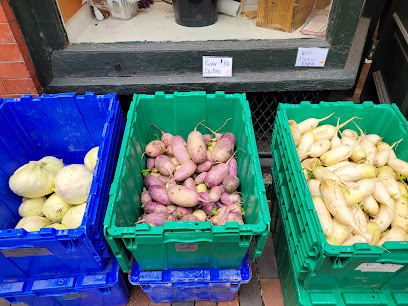
Siena Farms South End
💬 38 reviews4.1
Farm shop

Siena Farms South End

Diversified vegetable and produce farm. Top products: Seasonal produce, Vegetable CSA shares, Flowers. Siena Farms is a multi-generational, 50-acre agricultural operation based in Sudbury, Massachusetts, that has been cultivating high-quality, diverse crops for over two decades. While the business maintains specialized retail storefronts in the Boston Public Market and the South End, its core identity is rooted in large-scale field and greenhouse vegetable production. The farm utilizes a robust Community Supported Agriculture (CSA) model, providing subscribers with weekly or flexible distributions of fresh produce, including over 100 varieties of vegetables, flowers, and seasonal mushrooms. Their mission centers on food security and sustainable farming, evidenced by their extensive partnerships with community organizations like the YMCA and Boys & Girls Clubs to provide fresh produce to food-insecure families. They serve a wide demographic ranging from direct-to-consumer household subscribers across Eastern Massachusetts and New York City to high-end local restaurants and chefs who utilize their harvested goods.

📍106 Waltham St, Boston, MA 02118, USA
Route

The Rise of Mushroom Farming in Boston

The agricultural landscape in Boston is shifting toward year-round production, with gourmet and medicinal mushrooms leading the trend. Unlike traditional field crops that rely on Massachusetts' short growing season, mushroom cultivation happens primarily in climate-controlled indoor environments. This allows urban farmers to produce high-value fungi regardless of the harsh New England winters, providing local chefs and households with a reliable source of fresh produce.

Current Local Growers

GrowerSpecialtyLocation
Siena Farms South EndSeasonal produce, vegetables, and mushroomsBoston Public Market / South End

Siena Farms, with its roots in Sudbury, exemplifies the hybrid model of large-scale production paired with direct-to-consumer urban retail. By integrating mushrooms into their CSA and retail offerings, they bridge the gap between rural agricultural output and urban demand.

Why Buy Locally Grown in MA?

Massachusetts presents significant challenges for traditional outdoor agriculture, including unpredictable frost dates and limited soil viability in urban settings. Indoor mushroom farming overcomes these hurdles by strictly regulating humidity, temperature, and CO2 levels. Buying locally grown mushrooms ensures a shorter supply chain, meaning less time spent in transit, reduced plastic packaging, and significantly higher nutrient density compared to commercial varieties shipped from across the country.

Popular Varieties & Culinary Uses

  • Oyster Mushrooms: Known for their delicate texture and mild, savory flavor. They are excellent for searing or adding to stir-fries.
  • Shiitake: A staple in umami-rich cooking. They are commonly used in soups, risottos, and as a meat substitute due to their dense, chewy texture.
  • Lion's Mane: Highly regarded in the wellness community for potential cognitive support. They have a seafood-like texture when sautéed in butter.
  • Cordyceps: Frequently used in medicinal tinctures or teas to support energy levels and athletic performance.

Frequently Asked Questions

Q: Why are mushrooms considered an ideal crop for urban farming in Boston?

A: Mushrooms require minimal horizontal space and can be grown vertically in climate-controlled environments, making them perfect for urban settings where land is at a premium and the climate is otherwise inhospitable to crops for half the year.

Q: How do I store fresh gourmet mushrooms?

A: Store fresh mushrooms in a paper bag in the refrigerator. This allows them to breathe and prevents the accumulation of moisture, which can cause them to spoil quickly.

Q: Are locally grown mushrooms better than supermarket imports?

A: Yes. Locally grown mushrooms are harvested at peak maturity and reach the consumer within days, whereas imported mushrooms often lose texture and nutritional value during long-distance shipping and storage.