The Mushroom Market in Massachusetts
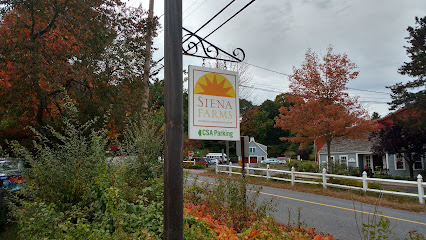
Massachusetts supports a specialized, high-value agricultural niche centered on gourmet and medicinal fungi. The market is currently defined by a split between small-scale boutique producers and established wholesale entities. Unlike broad-acre row cropping, mushroom farming in Massachusetts thrives on controlled indoor environments or small-parcel forest management. Currently, 11 verified farms drive the local supply chain. Consumers and restaurant chefs prioritize freshness, which gives local growers a distinct advantage over national distributors who rely on long-distance logistics. The market shows a trend toward direct-to-consumer farm shops, such as Siena Farms, which bridge the gap between rural production and urban demand.
Top Cities for Gourmet Fungi
Mushroom production is not evenly distributed across the state. Geography and infrastructure dictate where these farms settle. Sudbury leads the state with two verified farms—Sudbury Mushrooms and Microgreens and an additional operation—due to its proximity to affluent consumer bases and access to agricultural zoning that allows for indoor climate-controlled facilities. Other key hubs include Chelsea, Fall River, Boston, Westford, Dover, Cambridge, Monson, Hamilton, and Petersham. The concentration in these areas suggests a focus on the 'farm-to-table' pipeline, where growers locate their facilities within a short drive of high-end metropolitan culinary centers. Boston and Cambridge provide the necessary density for high-volume sales, while rural hubs like Petersham offer the space for forest-based cultivation methods, such as log-grown shiitake operations.
Massachusetts Climate & Mushroom Cultivation
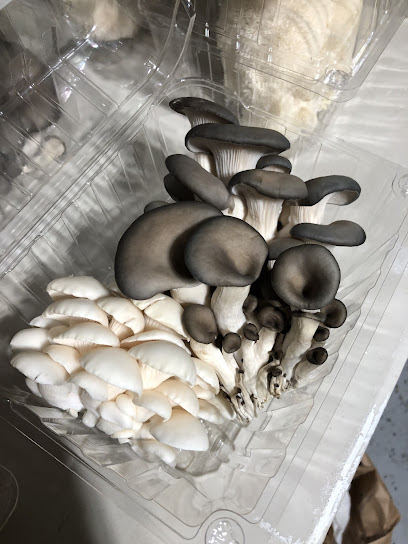
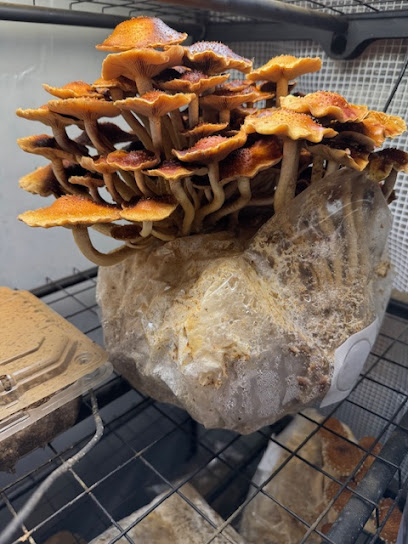
Massachusetts experiences a humid continental climate, characterized by cold winters and warm, humid summers. This climate acts as a double-edged sword for mycologists. High ambient humidity during the summer months benefits outdoor log cultivation, particularly for species like Shiitake and Oyster mushrooms. However, the extreme fluctuations in temperature and the harsh winter freeze necessitate heavy investment in climate-controlled indoor fruiting chambers. Successful Massachusetts growers use insulated shipping containers, repurposed warehouses, or basement facilities to maintain consistent temperatures and CO2 levels. These indoor setups are critical for year-round production, allowing farms like Fat Moon Farm and Essex County Mushroom Farm to maintain consistent output regardless of the New England winter. Humidity sensors and automated misting systems are the industry standard here, transforming the state's erratic weather into a controlled, predictable harvest cycle.
Sourcing Locally in MA
Whether you are a chef looking for bulk culinary varieties or a local resident seeking medicinal extracts, the following farms represent the current backbone of the Massachusetts supply chain:
- Fat Moon Farm: Known for high-quality production and consistent market availability.
- Essex County Mushroom Farm: A top-rated facility focusing on premium gourmet strains.
- Siena Farms & Siena Farms South End: Ideal for residents looking for farm-shop accessibility in urban settings.
- Mario Cutone Mushroom Co Inc: A critical link for wholesale distribution and large-scale procurement.
- Granite Valley Mushroom Company & Forest Harvest: Emerging producers focusing on specialized cultivation techniques.
- Sudbury Mushrooms and Microgreens: A key player in the suburban production model.
- Dover Shrooms: A unique non-profit entity adding diversity to the regional growing landscape.
- Nurcha Foods LLC & Mass-Mushrooms: Important contributors to the local supply network.