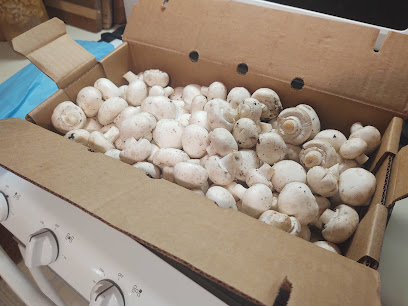
The Rise of Mushroom Farming in Chelsea
Urban agriculture in Chelsea, Massachusetts, is undergoing a quiet transformation. As residents and local chefs prioritize farm-to-table sourcing, the focus has shifted toward high-quality, indoor-grown gourmet mushrooms. Unlike traditional field crops that rely on the volatile New England weather, mushroom farming leverages controlled-environment agriculture. This allows growers to produce consistent, high-yield harvests throughout the calendar year. By utilizing repurposed industrial spaces common in urban areas like Chelsea, producers can shorten the supply chain, ensuring that fungi arrive at local kitchens hours after harvest rather than days after transit.
Current Local Growers
The following table lists active entities involved in the production and distribution of gourmet mushrooms in the local area. These organizations prioritize quality control and specialized varieties to serve both residential and professional markets.
| Grower Name | Specialties | Distribution Model |
|---|
| Mario Cutone Mushroom Co Inc | White Button, Crimini, Portabella, Shiitake, Lion's Mane, Maitake, King Oyster, Marinated goods | Direct-to-consumer and wholesale |
Why Buy Locally Grown in MA?
Massachusetts agriculture faces significant challenges due to harsh winter freezes and variable humidity levels. Field crops often suffer from seasonal limitations, but mushroom production operates independently of these outdoor conditions. By cultivating in climate-controlled environments, growers in Chelsea maintain precise levels of humidity and temperature necessary for premium fungi development. Local purchasing significantly reduces the carbon footprint associated with long-haul refrigerated trucking. Furthermore, fresher mushrooms retain more nutritional density and offer superior flavor profiles. When you purchase locally, you gain access to harvests that have not been subjected to the bruising and moisture loss common in imported, mass-produced varieties found in standard grocery chains.
Popular Varieties & Culinary Uses
The local culinary scene has moved beyond the standard button mushroom, embracing a diverse range of fungi with distinct textures and health benefits. Lion's Mane is widely prized for its delicate, crab-like texture, making it an excellent vegetarian substitute in seafood dishes. Shiitake mushrooms add an intense umami punch, serving as a staple in stir-fries, soups, and risottos. King Oyster mushrooms provide a firm, meaty consistency that stands up well to grilling or searing. Beyond culinary applications, many local varieties are sought for their potential wellness properties. Medicinal-leaning fungi like Cordyceps or Maitake are often used in teas, tinctures, or specialized coffee blends to support daily health routines. Proper storage is vital: store fresh mushrooms in breathable paper bags in the refrigerator to prevent moisture buildup and maintain their firm structure until use.