The Mushroom Market in Minnesota
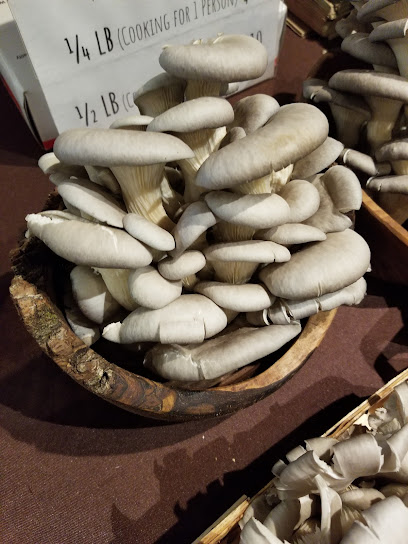
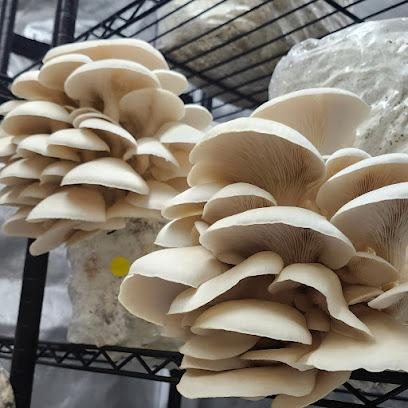
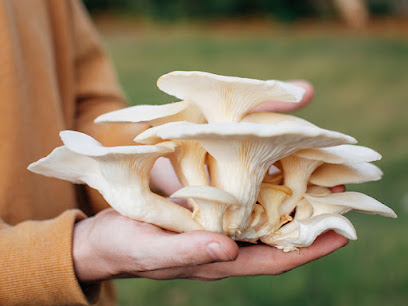
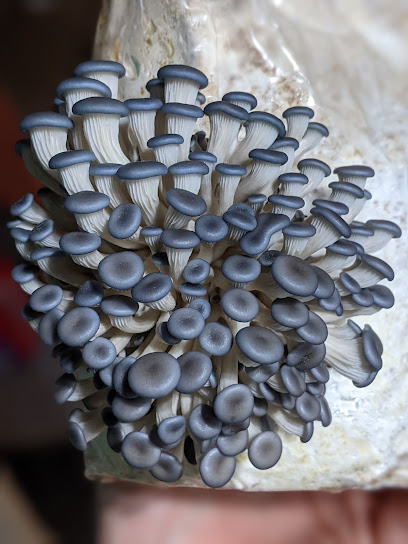
Minnesota’s fungi sector is shifting from a niche hobbyist market to a robust agricultural sub-sector. With seven verified commercial operations currently dominating the landscape, the market relies on a mix of indoor controlled-environment agriculture and specialized wholesale distribution. Supply chain efficiency is the primary driver of growth. Growers in Minneapolis and surrounding areas are capitalizing on the 'farm-to-table' demand among Minnesota’s high-end culinary scene. While wild foraging remains a cultural staple, the commercial market is increasingly dominated by indoor-grown Oyster, Shiitake, and Lion’s Mane mushrooms. These indoor operations provide year-round consistency, bypassing the volatility of Minnesota’s short, intense growing seasons.
Top Cities for Gourmet Fungi
The concentration of mushroom farms is not uniform across the state. Geography dictates where these businesses succeed. Minneapolis leads the state with two verified farms, a direct result of its high density of restaurants and food cooperatives that prioritize local sourcing. This urban concentration allows for shorter transit times, ensuring that delicate gourmet varieties reach kitchen tables at peak freshness.
- Minneapolis: The primary hub. Home to two major farms, it serves as the logistical center for distribution.
- Moorhead: An outlier that provides critical access to the western regions, housing Fargo Fungi LLC.
- New Hope, Roseville, Hugo, and Chatfield: These cities represent the decentralized model of Minnesota mycology, where individual farms operate as localized nodes.
The distribution of these seven farms across six cities suggests a market that is still in its infancy. There is significant room for growth in suburban corridors where real estate costs for climate-controlled fruiting chambers are lower than in the Minneapolis core.
Minnesota Climate & Mushroom Cultivation
Minnesota’s climate is a double-edged sword for mycologists. The state experiences extreme temperature fluctuations, ranging from sub-zero winters to humid, warm summers. This variability forces commercial growers to invest heavily in climate-controlled infrastructure. Indoor cultivation is the only viable path for year-round commercial output in Minnesota. Growers utilize advanced HVAC systems, ultrasonic humidifiers, and CO2 monitoring to mimic the forest floor environment—typically maintaining 85-90% relative humidity and precise temperature gradients between 60°F and 75°F.
For wild foraging, Minnesota’s diverse forest types—specifically the transition zone between the prairie and the northern coniferous forest—provide an ideal habitat for species like Morels, Chanterelles, and Hen-of-the-Woods. However, the commercial sector cannot rely on these erratic seasonal cycles. Instead, farms like R&R Cultivation and Elevated Mycology have perfected the use of sterilized substrate blocks, often comprised of hardwood sawdust or agricultural byproducts like soy hulls, to sustain production regardless of the weather outside.
Sourcing Locally in MN
Navigating the supply chain requires understanding the distinction between direct-to-consumer farms and wholesale distributors. Whether you are a restaurant owner looking for bulk Lion’s Mane or a resident seeking fresh, locally-grown Shiitake, the following strategies apply:
- Direct-to-Farm Partnerships: Contact farms like R&R Cultivation or Homegrown Mushrooms directly. Many offer subscription boxes or weekly harvest pickups that bypass traditional retail markups.
- Wholesale Integration: For large-scale procurement, wholesalers like Basciani Mushroom Farm offer a broader variety of both locally-grown and imported fungi, serving as the bridge between smaller farms and commercial kitchens.
- Quality Verification: Always look for growers with high ratings (4.9-5.0), as these farms typically maintain strict hygiene protocols in their fruiting chambers to prevent contamination from mold or bacteria.
- Community Markets: Growers based in Minneapolis and Moorhead frequently utilize local food hubs to distribute smaller batches, making them accessible to the general public during peak production cycles.