Local Mushroom Market in Minneapolis
Minneapolis currently hosts a niche but specialized market for gourmet and medicinal mushrooms. While the landscape is limited to two primary identified suppliers, the focus leans heavily toward quality-controlled indoor cultivation. Minnesota’s climate presents a significant challenge for outdoor mushroom foraging and farming due to extreme temperature swings and low humidity during the winter months. Consequently, successful local growers rely on high-precision indoor fruiting chambers. These climate-controlled environments allow producers to manipulate humidity levels, CO2 exchange, and light cycles, ensuring consistent year-round production regardless of Minneapolis's sub-zero winters.
Comparison of Top Growers
| Farm Name | Rating | Specialization | Type |
|---|
| Elevated Mycology | N/A | General Mushroom Farm | Farm |
| Homegrown Mushrooms | 5 | Gourmet and Medicinal | Farm |
Deep Dive into Suppliers
Homegrown Mushrooms distinguishes itself through a 'Spore to Store' methodology. Founders Jean Lazarus and Aran Anderson manage the entire lifecycle from mycelium to harvest, utilizing 100% organic materials and repurposing spent substrate as soil amendments for local partners. Their product range includes fresh and dried gourmet varieties, dual-extracted medicinal tinctures, and organic mushroom jerky.
Elevated Mycology operates as a general mushroom farm within the Minneapolis area. As a non-rated entity, this farm represents a direct-to-consumer or wholesale resource that may prioritize bulk availability or specific varietals suited for local culinary demand. Buyers should inquire directly about their current seasonal yields and specific cultivation methods to gauge product freshness and sustainability practices.
The Science of Fungi: Why Local Matters
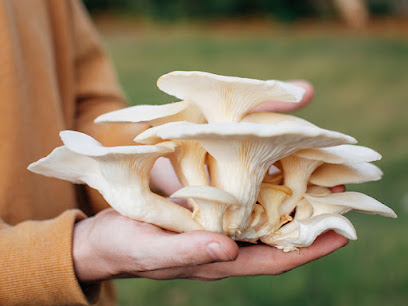
Mushrooms are highly perishable commodities. Once harvested, their respiration rate remains high, leading to rapid degradation of texture and nutritional value. By purchasing from local Minneapolis farms, consumers bypass the long-haul logistics chain that plagues supermarket imports. Freshness is visually detectable: avoid caps that appear slimy, dark, or show signs of excessive bruising. Fresh oysters should have firm, non-tattered gills, while shiitakes should feel dry and woody rather than damp.
The health benefits of these fungi are significant. Lion’s Mane is frequently researched for its potential neuroprotective properties and cognitive support. Cordyceps is widely used by athletes to support energy metabolism and oxygen utilization. Shiitake mushrooms provide a robust source of lentinan, a polysaccharide linked to immune system modulation. When these are grown in a controlled, organic environment—like those found in Minneapolis—the risk of heavy metal accumulation or pesticide contamination is virtually eliminated.
Buying Guide for MN Residents
- Check the Harvest Date: Always ask for the harvest date rather than the packaging date. Fungi lose moisture and flavor rapidly after 48 hours.
- Substrate Transparency: Ask if the farm uses organic, pesticide-free substrate. This is critical for medicinal mushrooms where you are consuming the concentrated compounds of the fungi.
- Storage Protocol: Store fresh mushrooms in a paper bag in the refrigerator. Plastic bags trap moisture, which accelerates bacterial growth and spoilage.
- Support Circularity: Look for growers like Homegrown Mushrooms that partner with local farms to repurpose spent substrate. This reduces landfill waste and contributes to local agricultural health.
- Medicinal Potency: If buying tinctures, verify that the producer uses a 'dual-extraction' method. Water-soluble compounds (like beta-glucans) and alcohol-soluble compounds (like triterpenes) require different solvents for maximum bioavailability.