GrowersFinder

Verified Mushroom Farm in Boone

Showing 1 organic producers near you

Switch city:
Loading Map...

Top Rated Farms in BOONE

Forest Forage Farm Tree Service
💬 22 reviews⭐ 5
Tree service

Forest Forage Farm Tree Service

Diversified regenerative mushroom farm. Top products: gourmet mushrooms, fresh vegetables, herbs and flowers. Forest Forage Farm, established in 2019 in the High Country of Western North Carolina/Tennessee, operates as a diversified regenerative farm that uniquely integrates professional arboriculture with sustainable agricultural practices. Founded by Joseph Delventhal, a specialist in sustainable development and agroecology, the farm centers its mission on environmental wellness and local food-system resilience. Their mushroom production is deeply connected to their land management services, utilizing wood resources from tree service operations to inoculate logs for cultivation. This circular approach minimizes waste while maximizing ecosystem productivity. The farm cultivates a diverse array of gourmet mushrooms alongside seasonal vegetables, herbs, and flowers, catering primarily to direct-to-consumer markets through local engagement. Beyond food production, the operation serves as an educational hub, hosting community potlucks and workshops focused on permaculture and ecological stewardship, reflecting their commitment to training informed land stewards.

📍8970-1 NC-105, Boone, NC 28607, USA
Route

The Rise of Mushroom Farming in Boone

Boone’s agricultural identity is shifting. While the High Country has long been recognized for its mountain vegetable production, a new wave of producers is focusing on fungi. Gourmet and medicinal mushroom cultivation offers a high-yield, low-footprint alternative to traditional row cropping. By utilizing indoor growing environments and controlled-environment agriculture (CEA), growers in Western North Carolina are bypassing the limitations of our short, unpredictable growing seasons. These operations are increasingly adopting circular economy models, such as using wood chips from local tree services as a substrate for mushroom logs. This practice turns biological waste into high-quality food, strengthening the local food system.

Current Local Growers

The following table lists active mushroom-focused agricultural operations in the Boone area that demonstrate sustainable practices and community engagement.

Farm NameSpecialtiesOperations
Forest Forage Farm Tree ServiceGourmet mushrooms, fresh vegetables, herbsRegenerative arboriculture and fungi cultivation

Forest Forage Farm serves as an example of how vertical integration—combining tree services with mushroom production—creates a sustainable model for the High Country. By inoculating logs from their tree service work, they maintain a closed-loop system that reduces reliance on external supplies while improving soil health and food access for residents.

Why Buy Locally Grown in NC?

The climate of the Blue Ridge Mountains presents unique challenges for traditional farming. Cold nights and variable rainfall can degrade produce quality during storage and transit. Mushrooms, being hyper-perishable, benefit significantly from local sourcing. When you buy mushrooms grown in Boone, you avoid the heavy carbon footprint associated with shipping these delicate products across the country. Locally grown fungi are harvested at peak freshness, often arriving at your door within hours of being picked. This prevents the rubbery texture often found in store-bought imports that have sat in refrigerated trucks for days. Furthermore, indoor cultivation in our region provides the precise humidity and temperature control required for high-yield, premium-grade fungi, regardless of the fluctuating mountain weather.

Popular Varieties & Culinary Uses

Boone residents are increasingly incorporating a wider variety of fungi into their diets for both flavor and health benefits. Understanding how to handle these varieties ensures the best culinary outcomes.

  • Oyster Mushrooms: These grow rapidly and have a delicate, meaty texture. They are perfect for stir-fries, tacos, or as a plant-based substitute in pulled 'pork' recipes.
  • Shiitake: A staple in mushroom cultivation due to their deep, umami flavor. They hold up well in long-simmering soups, stews, and roasted vegetable dishes.
  • Lion's Mane: Known for its brain-boosting reputation, this mushroom has a texture similar to crab or lobster. Sear it in butter and garlic for an impressive, savory centerpiece.
  • Cordyceps: Frequently sought for their potential energy-boosting properties, these are best utilized in teas, tinctures, or powdered into morning smoothies.
Cooking mushrooms properly requires high heat and minimal crowding in the pan. This allows moisture to evaporate, ensuring a crisp sear rather than a steamed, soggy consistency. When using medicinal varieties, quality and transparency are essential. Always source your mushrooms from growers who prioritize sterile, controlled environments to ensure both safety and potency.

Frequently Asked Questions

Q: Where can I find fresh, locally grown gourmet mushrooms in Boone?

A: You can find fresh mushrooms by supporting local direct-to-consumer operations like Forest Forage Farm. These farms often participate in regional farmers' markets or offer farm-gate sales. By purchasing from local growers in the High Country, you ensure your produce is harvested at the peak of freshness, avoiding the degradation that occurs during long-distance shipping to major grocery chains.

Q: Why is indoor mushroom farming ideal for the Boone climate?

A: The climate in Western North Carolina features dramatic seasonal shifts and significant temperature swings, which can be difficult for delicate fungi. Indoor cultivation allows growers to maintain strict humidity and temperature controls year-round. This technology provides a consistent, high-quality yield that would be impossible to achieve in an outdoor mountain environment, where exposure to pests and fluctuating weather conditions frequently reduces crop reliability.

Q: How should I store gourmet mushrooms to maintain their freshness?

A: To preserve the texture and flavor of your fresh mushrooms, store them in a paper bag rather than plastic. Plastic traps moisture, which promotes spoilage and sliminess. Keep them in the main part of your refrigerator where it is coldest. When properly handled, locally grown mushrooms will last significantly longer than supermarket versions because they have not spent days sitting in warehouses or transit.

Q: What is the difference between culinary and medicinal mushrooms?

A: While all edible mushrooms provide nutritional benefits, some are specifically categorized as medicinal due to their bioactive compounds. Culinary varieties like Oyster and Shiitake are prized for their flavor and texture in meals. Medicinal varieties, such as Lion’s Mane or Cordyceps, are often consumed as supplements or tinctures because they are believed to support cognitive function, immune response, and energy levels, though they are also excellent in culinary dishes.

Q: How do local regenerative farms integrate tree services with mushroom production?

A: Innovative local farms use a circular economic model by repurposing wood waste generated from professional tree service operations. Hardwood logs and wood chips are used as the primary substrate for inoculating mushroom spores. This minimizes waste that would otherwise go to a landfill and keeps nutrient-rich organic matter on the farm, fostering a sustainable ecosystem that feeds the local community.

⭐ 5.0 average rating across 1 verified mushroom farms in Boone

The most popular reviews:

D
David Goldston13 hours ago

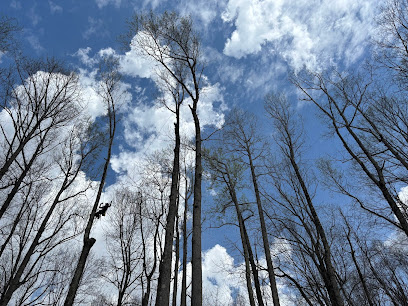
Joe and his crew were able to do the work a day before it was scheduled and they did a great job. Highly recommend these folks to anyone needing tree work done. Here's our view before and after the work was completed.

— Forest Forage Farm Tree Service