The Mushroom Market in North Carolina
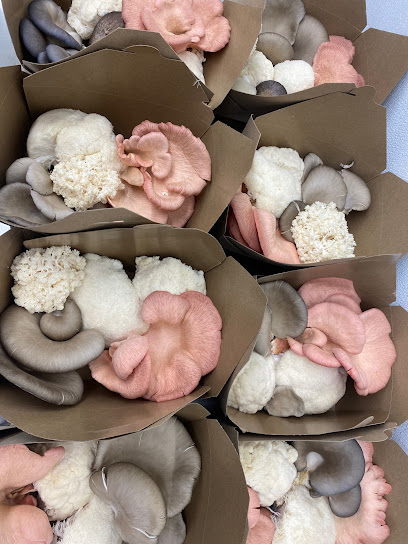
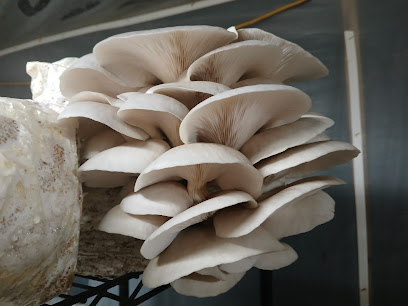
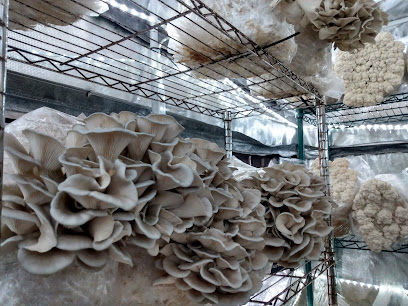
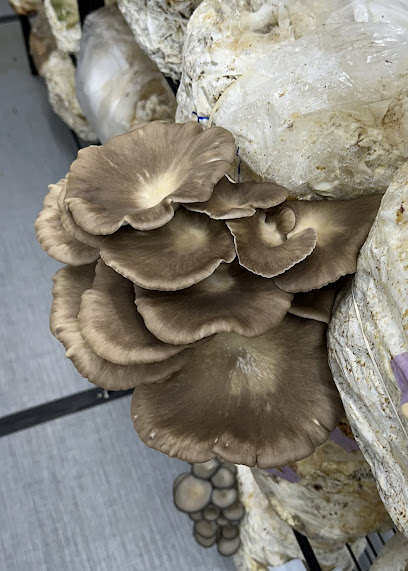
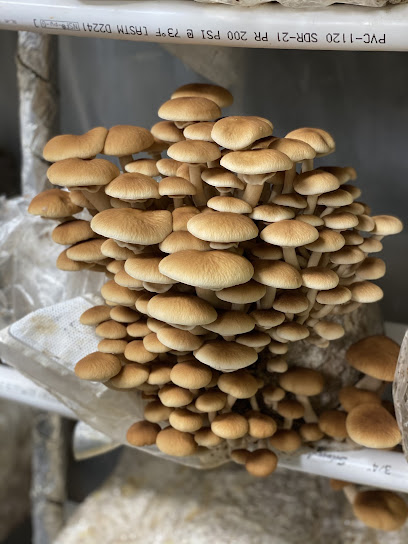
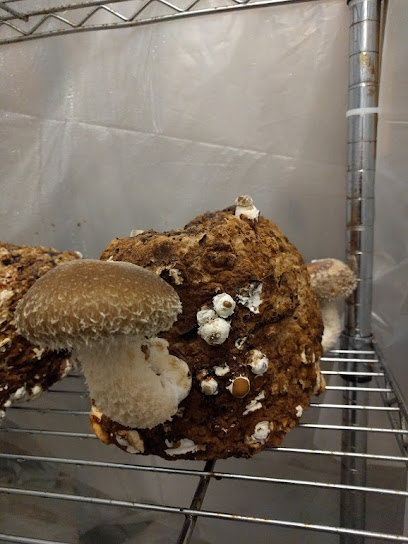
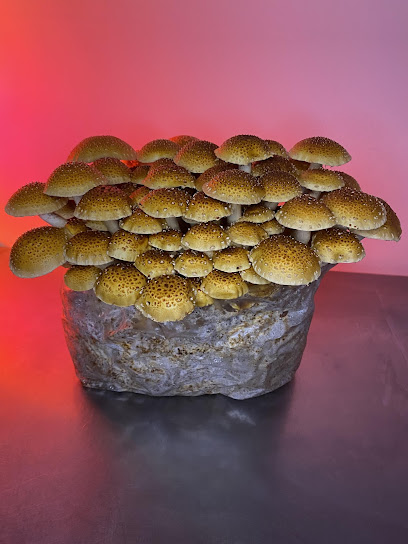
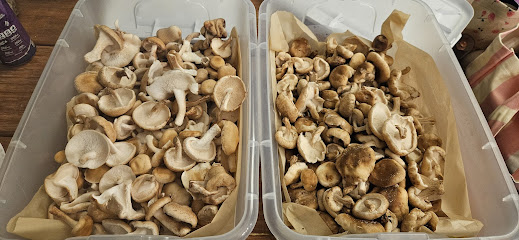
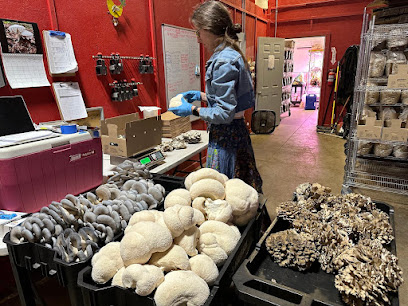
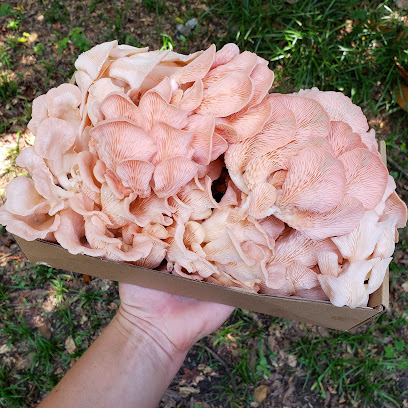
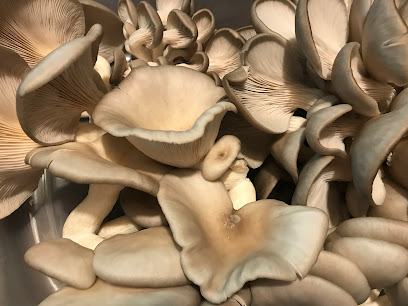
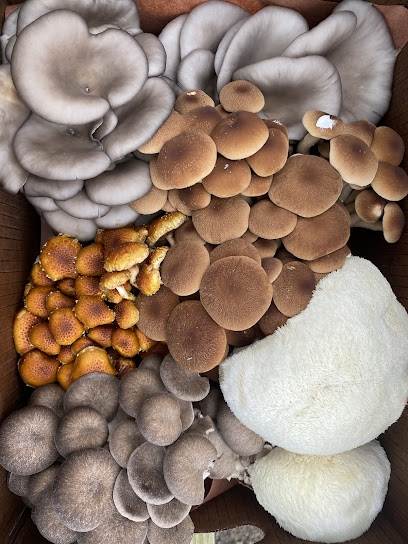
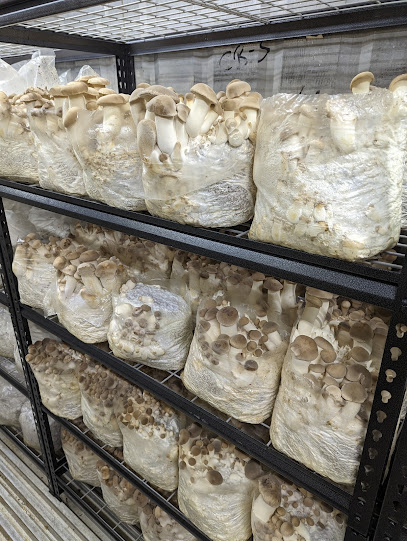
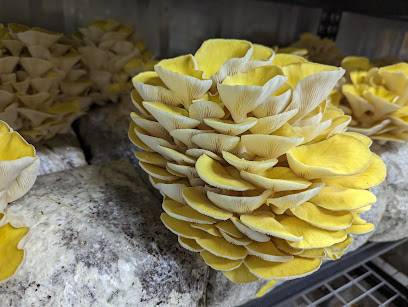
North Carolina currently supports 38 verified mushroom farms distributed across 32 unique municipalities. The market has shifted from casual foraging to sophisticated controlled-environment agriculture (CEA). Growers are moving away from seasonal reliance, opting for high-tech fruiting chambers that mimic the forest floor year-round. This shift ensures a consistent supply of gourmet varieties like Lion's Mane, Oyster, and Shiitake, which are increasingly replacing imported commodity mushrooms in local culinary supply chains.
Consumer demand is rising. Restaurants and health-conscious consumers favor local, short-chain distribution models. Farms like De'Farm on Blueberry Hill and Deep Woods Mushrooms maintain perfect ratings by controlling every variable from substrate pasteurization to humidity levels. This precision is essential for competing with mass-market producers who cannot match the shelf-life and nutrient density of NC-grown fungi.
Top Cities for Gourmet Fungi
Mushroom production in North Carolina is not uniform; it clusters where demand meets infrastructure. Durham leads the state with three major operations. This concentration stems from the city's proximity to major university research centers and a high density of farm-to-table restaurants that prioritize local sourcing. Other hubs include Fayetteville, Monroe, Fairview, and Charlotte, each hosting two high-performing farms.
- Durham: The epicenter of commercial mycology, leveraging institutional knowledge and a dense urban consumer base.
- Fayetteville & Charlotte: Key logistics points where rapid urban growth drives demand for fresh, gourmet produce.
- Monroe & Fairview: These regions offer more space for larger-scale production facilities while remaining close enough to major metro areas for efficient distribution.
- Asheville & Boone: These mountain hubs capitalize on the natural mycological culture of the Blue Ridge region, blending wild-foraging expertise with modern cultivation techniques.
The distribution of these 38 farms suggests a clear trend: growers are positioning themselves within a one-hour drive of major population centers to minimize transit time, which is critical for the delicate cellular structure of fresh-picked mushrooms.
North Carolina Climate & Mushroom Cultivation
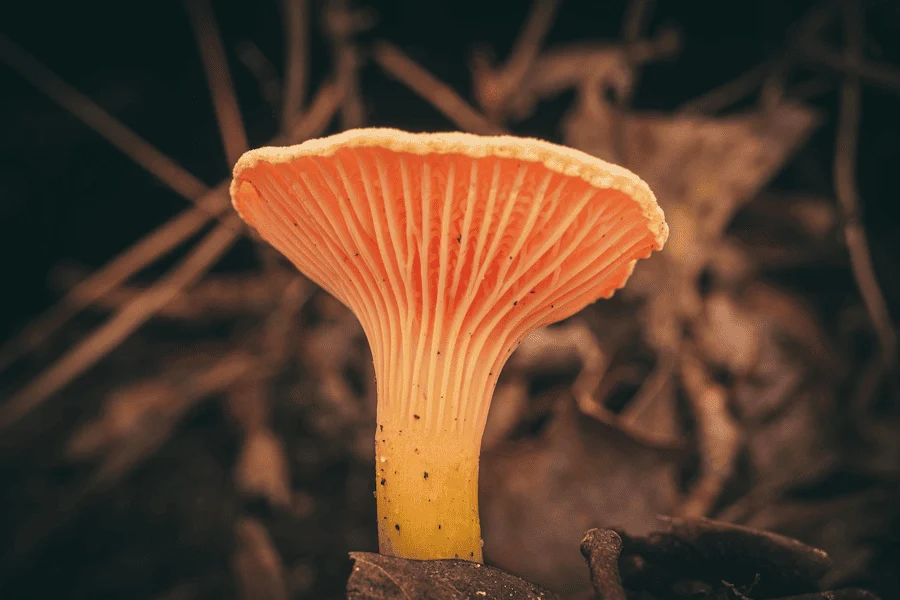
North Carolina’s geography creates a unique paradox for mushroom cultivation. The state’s humid subtropical climate is a double-edged sword. Outside, high humidity and moderate temperatures for much of the year encourage the growth of diverse wild species, such as Chantarelles and Morels. However, outdoor growing is plagued by wild pests and volatile weather events.
Professional growers in NC mitigate these risks by shifting production indoors. Modern facilities utilize climate-controlled fruiting chambers that regulate CO2 levels, light spectrums, and relative humidity. Because NC experiences significant temperature fluctuations, indoor farmers rely on advanced HVAC systems to maintain the 65-75°F range required for most gourmet species. This environmental control is what allows operations like Haw River Mushrooms and Sandhills Mushroom Farm to maintain consistent yields regardless of the season. By simulating the damp, shaded, and cool conditions of the Appalachian forests, these farms produce superior yields without the risks associated with open-air cultivation.
Sourcing Locally in NC
For restaurants and home cooks seeking the highest quality fungi, the state's supply chain is robust. To ensure peak freshness, follow these procurement strategies:
- Direct-to-Farm Procurement: Establish relationships with top-rated producers like Winding Brook - Mushrooms and More or The Forest Farmacy. Direct purchasing cuts out the cold-chain delays inherent in grocery distribution.
- Prioritize High-Rating Producers: Farms like Catawba Mushroom Partners and Sharonview Farm have earned near-perfect ratings through consistent quality control. Their standardized substrate blocks result in predictable, uniform harvests.
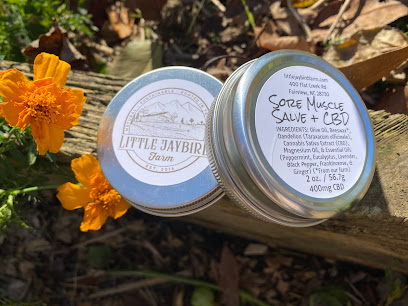
- Check for Value-Added Products: Some farms, such as Melinda's Market at Kateras Village or Forest Forage Farm Tree Service, offer specialized services or retail experiences. Look for growers who provide dried, powdered, or tincture-based medicinal mushrooms in addition to fresh produce.
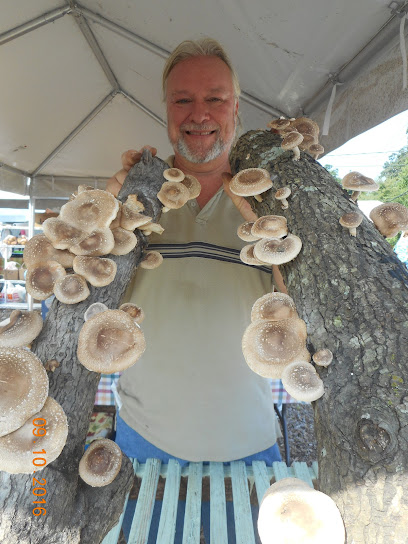
- Local Farmers Markets: Utilize the existing network of 32 active cities to find local growers. Most of the 38 verified farms maintain a physical presence at regional markets, allowing buyers to inspect the physical characteristics—such as cap firmness and gill integrity—before purchase.