
💬 1 reviews⭐ 5
Showing 3 organic producers near you
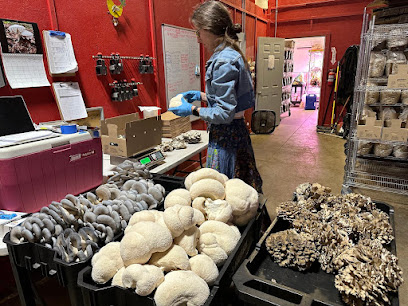
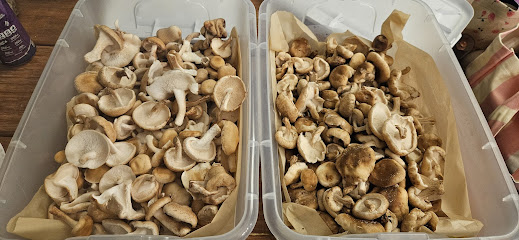
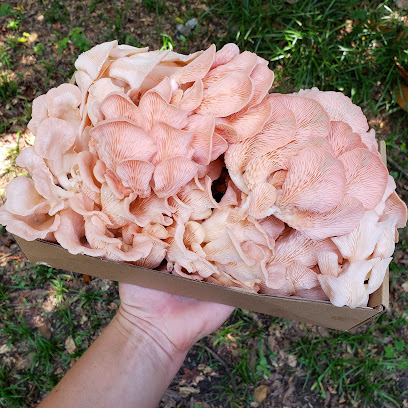
Commercial culinary mushroom cultivation. Top products: Fresh gourmet mushrooms, Oyster mushrooms, Foraged seasonal fungi. Fox Farm & Forage LLC, based in Apex, North Carolina, is a specialized GAP-certified mushroom farm dedicated to the commercial production and distribution of high-quality gourmet fungi. Operating with a focus on agricultural transparency and professional-grade cultivation, the company supplies fresh, locally grown mushrooms to an extensive network of restaurants, regional distributors, and grocers across North Carolina and the broader Southeast. The business maintains a direct-to-consumer presence through consistent participation at the Holly Springs Farmers’ Market and strategic partnerships with local sustainable farms like In Season Aquaponic Farm. Eschewing the education and consulting sector, the farm centers its entire operational capacity on yield quality and supply chain reliability. Their product line emphasizes culinary-grade varieties suitable for professional kitchen applications, backed by strict adherence to Good Agricultural Practices. By maintaining a clean, production-focused model, Fox Farm & Forage ensures a consistent supply of premium, fresh-harvested products while providing consumers and chefs with technical guidance on proper storage, handling, and culinary preparation to maximize the flavor profiles of their diverse mushroom harvests.
The Durham and greater Triangle area currently supports three primary mushroom producers. While the region is home to a robust agricultural scene, dedicated commercial mushroom cultivation requires specific infrastructure. North Carolina's climate presents significant challenges for outdoor mushroom farming due to fluctuating humidity and summer heat spikes. Consequently, most successful local farms operate via indoor, climate-controlled fruiting chambers. These facilities mimic the precise environmental conditions—high humidity and consistent airflow—required for species like Oyster and Shiitake to thrive. By controlling the micro-climate, producers bypass the limitations of NC weather, ensuring a steady, year-round harvest for chefs and home cooks alike.
| Farm Name | Rating | Specialization | Type |
|---|---|---|---|
| Feast Fungi | 5 | General mushroom farm | Farm |
| Mutual Mycology | 5 | General mushroom farm | Farm |
| Fox Farm & Forage LLC | 5 | Commercial culinary mushroom cultivation | Farm |
Feast Fungi maintains a five-star rating, reflecting high customer satisfaction with their general mushroom output. As a local producer, they contribute to the regional availability of fresh fungi in the Durham market.
Mutual Mycology also holds a perfect rating. Their focus on general mushroom cultivation suggests a diversified approach to species production, catering to both culinary enthusiasts and those seeking medicinal varieties.
Fox Farm & Forage LLC is a GAP-certified commercial operation based in nearby Apex. They specialize in high-volume culinary varieties like Oyster mushrooms, utilizing a professional-grade model to supply restaurants and regional grocers while maintaining a direct presence at the Holly Springs Farmers’ Market.
Buying mushrooms grown in North Carolina ensures a shorter supply chain, which is critical for fungi that degrade rapidly after harvest. Follow these guidelines to secure the best product:
The culinary versatility of gourmet mushrooms makes them a staple for local chefs. Oyster mushrooms provide a meaty texture ideal for searing, while medicinal varieties like Shiitake offer deep, umami-rich flavor profiles. By supporting GAP-certified farms, consumers benefit from agricultural transparency and consistent quality control standards that prioritize safety and flavor.
A: Mushrooms have a high respiration rate and water content. Local sourcing reduces transit time, preventing the texture degradation and loss of flavor that occur during long-haul shipping.
A: Good Agricultural Practices (GAP) certification indicates that the farm follows strict safety protocols to reduce the risk of microbial contamination, ensuring a higher standard of produce quality.
A: Yes, but it requires careful management of humidity and temperature. North Carolina's ambient climate is often too inconsistent for high yields without an enclosed, controlled fruiting chamber.
The most popular reviews:
Purchased a box at the Chapel Hill farmers market outside of SILVERSPOT cinema Tuesday. Fried them up in a little olive oil, butter, salt, and pepper, and they were amazing.!
— Feast FungiThese are the literally the finest mushrooms I have ever eaten! You will not be disappointed!
— Fox Farm & Forage LLCAttended a seminar last month, you can tell the owner cares about her work and is passionate. The take home kits are a great value too for anyone getting into the fungi world.
— Mutual Mycology