The Rise of Mushroom Farming in Graham
Graham, North Carolina, is seeing a significant shift in how residents source their produce. As urban farming gains momentum, specialized agriculture is moving from traditional field crops to high-yield, indoor mushroom cultivation. Unlike seasonal field produce that relies heavily on weather patterns, mushrooms offer a reliable, year-round harvest. This transition allows local growers to supply the community with nutrient-dense, plant-based superfoods regardless of North Carolina’s fluctuating heat and humidity. By utilizing indoor environments to control climate, light, and airflow, producers can replicate optimal forest floor conditions. This precision agriculture yields a cleaner, more consistent product than wild foraging while supporting the local economy.
Current Local Growers
The following table represents the key agricultural entity currently contributing to the mycological landscape in the Graham area. These growers focus on high-quality cultivation and value-added processing to meet the needs of local culinary professionals and health-conscious families.
| Farm Name | Specialties | Key Features |
|---|
| Haw River Mushrooms | Gourmet mushrooms, mushroom jerky | Value-added food production and mycology workshops |
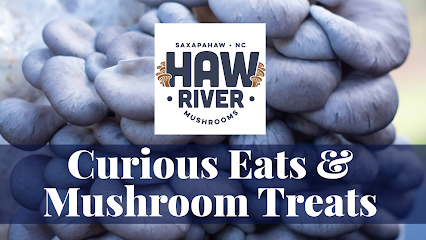
Growers like Haw River Mushrooms play a dual role. They function as both suppliers of fresh ingredients and centers for education. By hosting workshops, they teach community members the technical side of fungal biology, empowering more people to understand the complexities of indoor cultivation. This model bridges the gap between raw agriculture and the modern, health-oriented consumer market.
Why Buy Locally Grown in NC?
North Carolina’s climate is notorious for humidity spikes and intense summer heat, which can be challenging for outdoor-grown specialty produce. Buying locally grown mushrooms from indoor farms provides a distinct freshness advantage. When mushrooms are shipped across the country, they often lose texture and flavor during transport. Locally sourced fungi in Graham are harvested at peak ripeness and reach the consumer within hours or days, rather than weeks. This short supply chain reduces the environmental footprint of food and ensures that the mushrooms retain their maximum nutrient density. Furthermore, indoor cultivation mitigates the risks of soil-borne pathogens and chemical runoff, offering a reliable, safe product that aligns with farm-to-table transparency standards.
Popular Varieties & Culinary Uses
Gourmet and medicinal mushrooms offer vast versatility in the kitchen and wellness cabinet. Understanding how to handle these varieties ensures you get the best out of every harvest.
- Oyster Mushrooms: These are prized for their delicate texture and mild, savory flavor. They are ideal for quick sautéing, stir-fries, or as a crispy meat substitute in tacos.
- Shiitake Mushrooms: Known for their deep, umami profile, shiitakes are a staple in both Asian-inspired dishes and Western soups. They hold up well to longer cooking times.
- Lion’s Mane: This mushroom has a unique, meaty texture often compared to crab or lobster. It is excellent when seared in butter or incorporated into plant-based 'crab cakes.'
- Cordyceps: Frequently used for their energy-boosting properties, these are often integrated into wellness routines via teas, tinctures, or powdered extracts rather than as a primary culinary ingredient.
Processing methods like dehydrating mushrooms into jerky create a shelf-stable, protein-rich snack. This innovation allows consumers to enjoy the benefits of mushrooms on the go, highlighting the potential for value-added products in the modern agricultural market.