
💬 4 reviews⭐ 4.5
Showing 1 organic producers near you
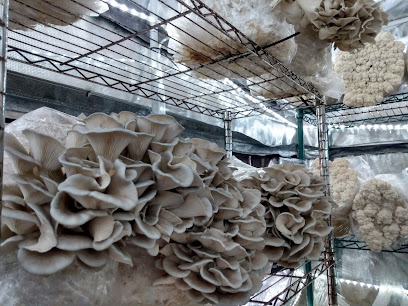
Leland, North Carolina, sits in a unique environmental pocket. The humid, subtropical climate provides lush conditions for many plants, but fungi cultivation requires precision that outdoor growing cannot always guarantee. Consequently, a shift toward controlled-environment agriculture has emerged. Producers are moving away from traditional field crops to high-yield, indoor mushroom farming. This shift allows for year-round production, insulating crops from the unpredictable coastal weather patterns, erratic rainfall, and varying temperatures that define the southeastern North Carolina landscape. Local growers prioritize quality and speed, delivering mushrooms to the consumer often within hours of harvest.
The local agricultural sector is evolving, with producers focusing on sustainable, indoor methods to meet demand. Below is the current known producer in the area.
| Farm Name | Type | Key Features |
|---|---|---|
| The Lite Work Farm | Farm | Local mushroom farm |
The Lite Work Farm stands as a primary representative of this localized shift. By maintaining a steady supply of gourmet mushrooms, they provide residents with alternatives to store-bought imports that often lose flavor and nutritional density during long-distance transportation.
North Carolina's climate poses significant challenges for fungi. Outdoor foraging is seasonal and unpredictable. Indoor farming, by contrast, removes these barriers. By controlling humidity, airflow, and light exposure, Leland producers create an ideal microclimate. This results in superior texture and shelf life. When you purchase mushrooms grown in Leland, you are buying a product that has not sat on a refrigerated truck for a week. Freshness directly correlates with the concentration of beta-glucans and antioxidants, which are vital components for those using mushrooms for wellness. Supporting local operations keeps the regional food supply chain resilient and reduces the carbon footprint associated with shipping perishables across the country.
Local cultivators typically focus on high-demand gourmet varieties. Each has specific culinary applications that change how home cooks approach dinner. Oyster mushrooms are prized for their delicate, velvety texture. They work exceptionally well in stir-fries, soups, or as a meat substitute when sautéed until crispy. Shiitake mushrooms offer a deeper, earthier profile. These are essential for stocks, risottos, and savory pasta dishes. Lion's Mane represents the intersection of gourmet and medicinal usage. Often described as having a seafood-like flavor, it can be shredded and seared like crab cakes. Many locals incorporate these into wellness routines due to their potential neuroprotective properties. Finally, Cordyceps are becoming increasingly popular among the active local demographic. These are typically dried or extracted for teas and supplements to support energy levels and endurance. Integrating these fungi into your weekly shopping ensures you have nutrient-dense food that supports your physical health while celebrating the growing agricultural capabilities of the Leland region.
A: Leland's coastal humidity and temperature swings make outdoor mushroom farming inconsistent. Indoor farming allows growers to strictly control moisture and airflow, resulting in higher yields and more consistent harvests. For residents, this means accessing gourmet, locally grown mushrooms throughout the year, rather than just during specific seasonal windows, ensuring better quality and nutritional density in their diet.
A: Store your fresh mushrooms in a paper bag in the main compartment of your refrigerator. Paper bags allow the mushrooms to breathe, preventing the moisture buildup that causes sliminess in plastic containers. Consume them within three to five days for the best texture and flavor. Avoid washing them until immediately before cooking, as excess water will cause them to degrade faster.
A: While many mushrooms offer both culinary and medicinal benefits, the distinction often comes down to texture and preparation. Culinary mushrooms like Oysters or Shiitakes are prepared primarily for flavor. Medicinal varieties, such as Lion's Mane or Cordyceps, are often consumed for their bioactive compounds, including beta-glucans. These are frequently prepared as teas, tinctures, or powders to maximize the extraction of their therapeutic properties, though they remain excellent in food as well.
A: The best way to source fresh mushrooms in Leland is by connecting directly with local producers like The Lite Work Farm. Checking local farmers' markets and community-supported agriculture (CSA) programs is highly recommended. These outlets are the most reliable way to ensure you are receiving mushrooms that were harvested recently, often within the last 24 to 48 hours, providing maximum freshness.
A: Lion's Mane has a unique, meaty texture that mimics seafood. To cook it, tear the mushroom into chunks or slice it, then sear it in a hot pan with a small amount of oil or butter. Do not overcrowd the pan; let the edges get golden brown and crispy. Add garlic, herbs, or soy sauce toward the end. It serves as an excellent, nutrient-rich substitute for crab cakes or scallops.
The most popular reviews: