Local Mushroom Market in Cedarville
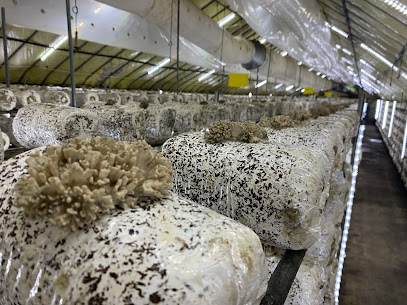
Cedarville supports a concentrated, specialized market for gourmet and medicinal fungi. Currently, two primary suppliers dominate the local landscape, offering distinct approaches to cultivation. While the industry is small, the presence of large-scale commercial operations alongside general production facilities highlights the regional demand for fresh, nutrient-dense produce. Indoor cultivation in this region requires precise environmental management. Because local humidity and temperature fluctuate significantly, professional growers rely on climate-controlled fruiting chambers to maintain the specific micro-climates necessary for species like Lion’s Mane and Shiitake to thrive. This controlled output ensures consistent availability regardless of exterior weather patterns.
Comparison of Top Growers
| Farm Name | Rating | Specialization | Type |
|---|
| QIHE FOOD CORP MUSHROOM FARM | 3.6 | Commercial cultivation and kits | Farm |
| NJ MUSHROOMS INC | N/A | General production | Farm |
Deep Dive into Suppliers
QIHE FOOD CORP MUSHROOM FARM operates as a high-volume, vertically integrated enterprise. They offer a diverse catalog ranging from fresh Shiitake and Oyster mushrooms to DIY growing kits, making them the primary source for both culinary professionals and home hobbyists in the area.
NJ MUSHROOMS INC acts as a generalist producer within the local ecosystem. As a non-rated entity, this farm typically serves as a foundational supplier for local supply chains, focusing on volume and standard market varieties rather than specialized retail consumer experiences.
Health Benefits and Freshness
Gourmet mushrooms act as more than just a culinary ingredient; they are functional foods. Shiitake mushrooms contain eritadenine, a compound known to support cardiovascular health. Oyster mushrooms provide significant doses of antioxidants and beta-glucans, which bolster immune system function. Lion’s Mane has gained attention for its potential neuroprotective properties, specifically the stimulation of Nerve Growth Factor (NGF). Buying locally ensures these fragile fungi reach your kitchen within hours or days of harvest, rather than weeks. When mushrooms sit in transit, they lose moisture, texture, and volatile aromatic compounds, significantly degrading their nutritional profile and umami intensity.
Buying Guide for NJ Residents
- Visual Inspection: Look for firm, dry caps. Avoid any mushrooms that feel slimy or exhibit soft, dark spots, as these indicate advanced degradation.
- Aroma: Fresh gourmet mushrooms should smell earthy and clean. A sour or ammonia-like scent suggests the product is past its prime.
- Local Advantage: Purchasing from Cedarville-based farms reduces the carbon footprint associated with shipping perishables across state lines.
- Storage Tips: Store your harvest in a paper bag rather than plastic. Plastic traps moisture, which accelerates decay. A paper bag allows the fungi to breathe, extending shelf life by several days.
- Seasonal Considerations: While indoor farms provide year-round access, always inquire about the current harvest cycle to ensure you are receiving the absolute freshest batch available from the fruiting room.
The transition toward local fungal consumption represents a shift in how residents view agricultural produce. By supporting regional growers, consumers secure higher quality ingredients while contributing to a sustainable, hyper-local food economy that bypasses the inefficiencies of long-haul logistics.