The Mushroom Market in New Jersey
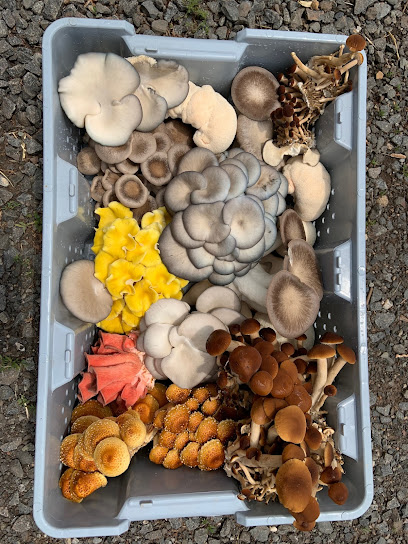
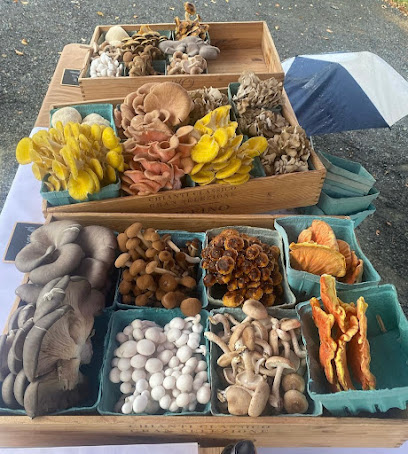
New Jersey’s mushroom industry has transitioned from traditional field-based agricultural models toward high-tech, indoor controlled environment agriculture (CEA). With 16 verified farms identified, the market is characterized by a mix of high-rated boutique organic producers and larger-scale food suppliers. The density of providers suggests a robust local supply chain capable of serving both the high-end culinary sector in the New York-Philadelphia corridor and the growing demand for medicinal fungi like Lion's Mane, Reishi, and Oyster mushrooms.
Market data indicates a wide variance in operational scale. Farms like Two River Gourmet Mushrooms LLC and Lifecap Farm maintain perfect ratings, signaling a consumer preference for transparency and organic certification. Conversely, larger entities such as Ron-Son Mushroom Products Inc and QIHE FOOD CORP MUSHROOM FARM focus on broader distribution, reflecting the diverse nature of New Jersey’s agricultural output.
Top Cities for Gourmet Fungi
Mushroom farming in New Jersey is concentrated in specific geographic hubs, largely driven by access to distribution networks and industrial space. Cedarville and Hillsborough Township lead the state, each hosting two verified farms. These cities offer the necessary zoning for agricultural production and proximity to major interstate arteries, reducing transit times for highly perishable gourmet harvests.
- Cedarville (2 farms): A traditional agricultural powerhouse, Cedarville provides the land capacity required for larger-scale cultivation.
- Hillsborough Township (2 farms): Positioned centrally, this hub balances access to suburban consumer bases with the infrastructure needed for high-yield indoor operations.
- Secondary Hubs: Morristown, Irvington, Jersey City, Manalapan Township, West Windsor Township, Fairfield, Millstone Township, and Newton each host single-farm operations. These represent localized, urban-adjacent production models that allow for same-day delivery to local restaurants and farmers' markets.
New Jersey Climate & Mushroom Cultivation
New Jersey’s humid subtropical climate presents both challenges and advantages for mycologists. The state’s four distinct seasons create significant fluctuations in humidity and temperature, which are critical variables in mushroom development. In the wild, New Jersey’s hardwood forests—dominated by oak, maple, and beech—are ideal for seasonal foraging of native species, though commercial production rarely relies on these wild cycles.
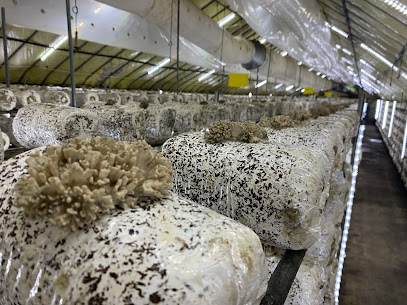
Instead, professional growers utilize advanced fruiting chambers. Indoor climate control is mandatory to mitigate the state’s high summer humidity, which can introduce invasive molds and bacteria if not strictly managed. By controlling CO2 levels, humidity, and light exposure, New Jersey growers can achieve year-round production of species like Shiitake and Oyster mushrooms, bypassing the limitations of the local climate. This shift to CEA allows farms like Mendham Mushrooms and Noble Mushrooms to maintain product consistency regardless of the external weather, a key competitive advantage in the gourmet market.
Sourcing Locally in New Jersey
For restaurants, chefs, and retail consumers, sourcing local fungi ensures significantly higher nutrient density and flavor profiles compared to imported, mass-market alternatives. To secure the best product, consider the following strategies:
- Direct-to-Farm Procurement: Contact farms like Two River Gourmet Mushrooms LLC or Zell's Farm directly. Most organic-certified operations offer subscription-based "mushroom shares" or direct weekly deliveries.
- Evaluate by Certification: Prioritize farms that explicitly state organic practices, such as Malik's Mushrooms. Organic certification ensures the substrate used—often straw, sawdust, or cottonseed hulls—is free from chemical contaminants.
- Assess Logistics: If you are a commercial buyer, prioritize suppliers in high-density hubs like Cedarville or Hillsborough. These farms are better equipped for consistent, high-volume supply chains compared to smaller, singular operations.
- Retail vs. Wholesale: Distinguish between food producers like Hampton Mushrooms and direct agricultural production sites like Mushroom King Farm. The former may offer processed or value-added goods, while the latter provides the raw, fresh fungi necessary for high-end culinary applications.